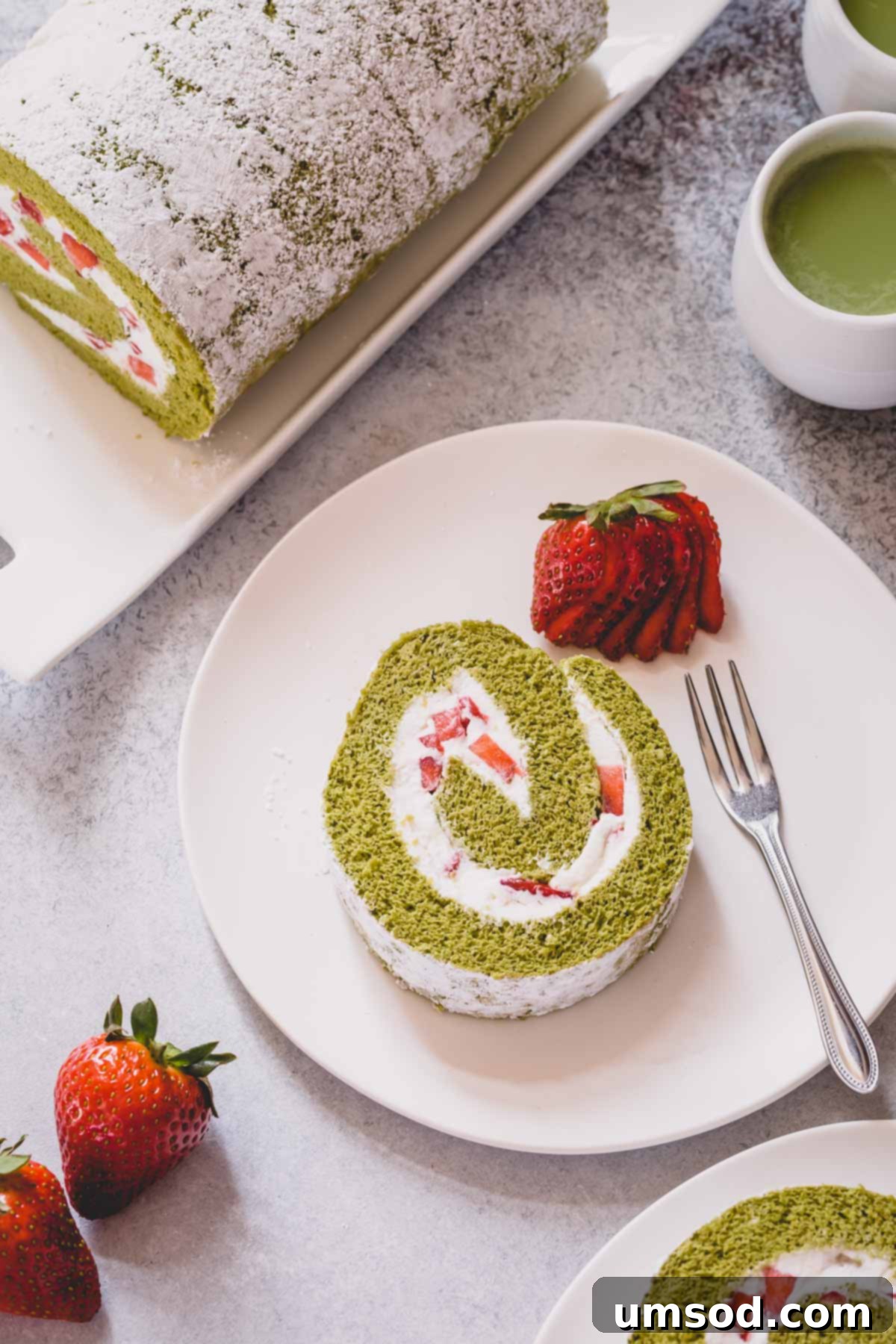
Strawberry Matcha Roll Cake: A Delicate Spring Dessert
Embrace the vibrant flavors of spring with this exquisite Strawberry Matcha Roll Cake. This light, airy, and elegantly simple dessert combines the earthy notes of premium Japanese green tea with the sweet freshness of ripe strawberries, all nestled within a cloud of homemade whipped cream. It’s a show-stopping treat that looks sophisticated but is surprisingly easy to create, making it perfect for your next gathering or a delightful afternoon indulgence.
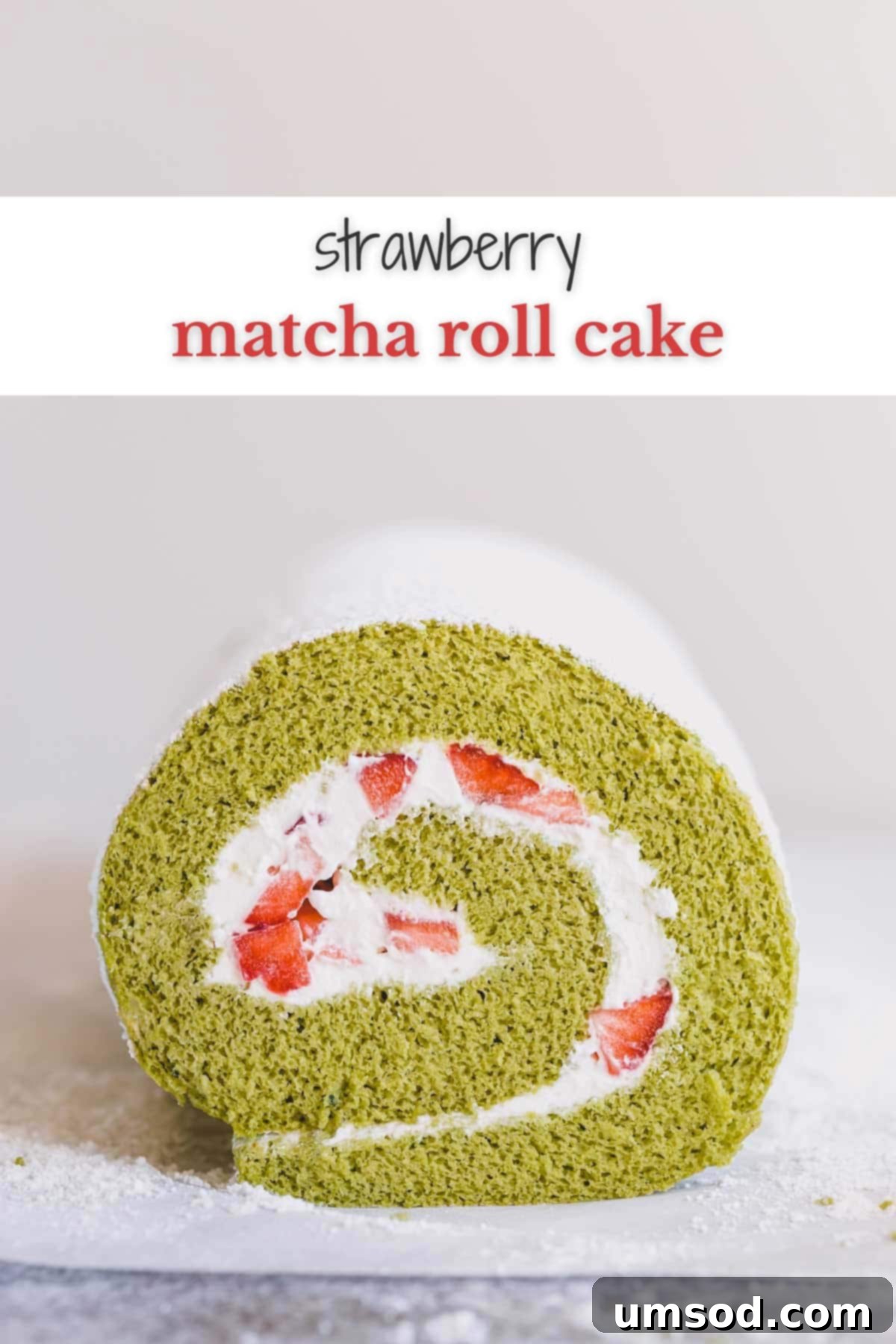
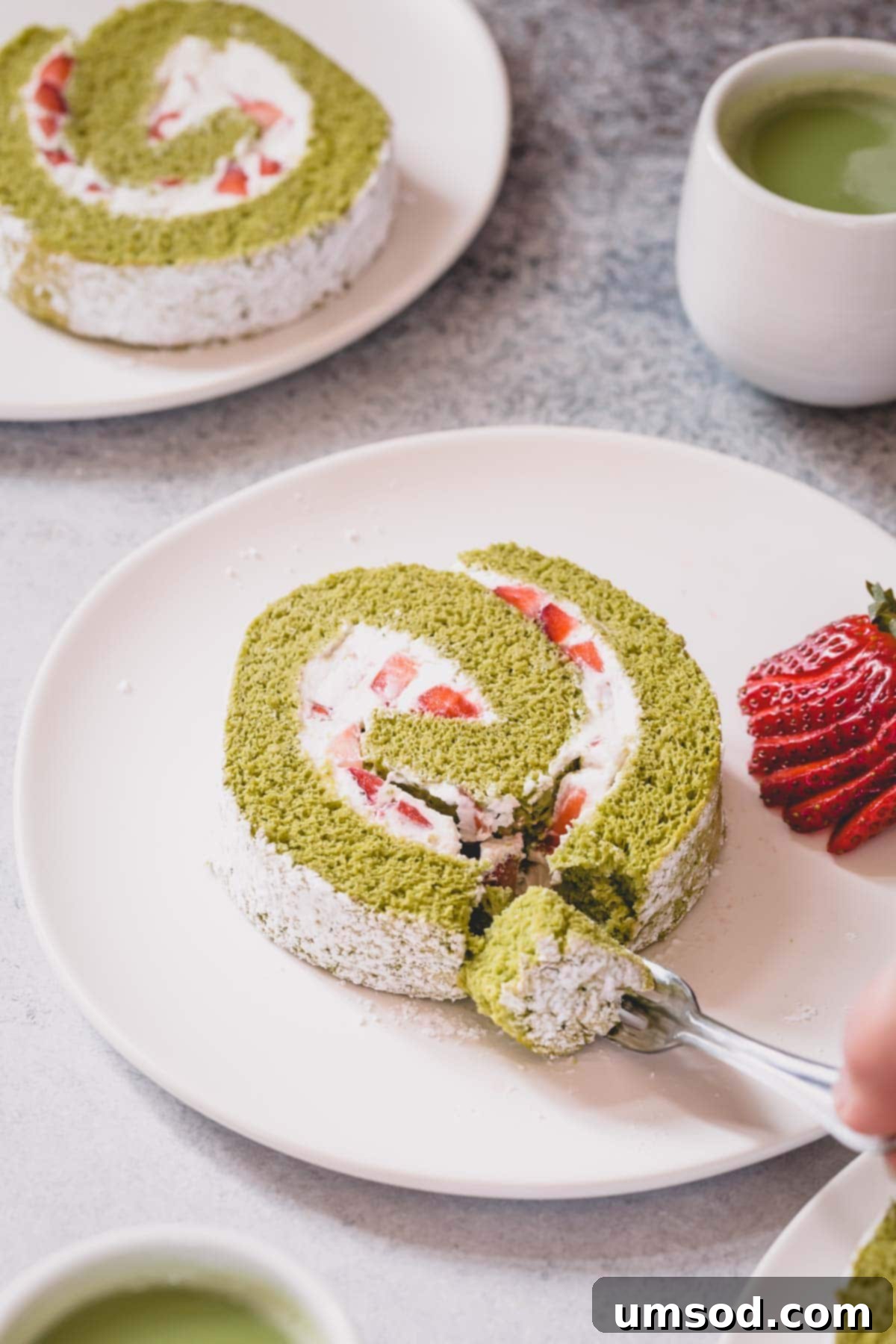
Why You’ll Fall in Love with This Strawberry Matcha Roll Cake
Prepare to be enchanted by this gorgeous matcha roll cake. Its vibrant green hue and fresh strawberry filling make it the quintessential spring dessert, promising a delightful sensory experience with every bite. Here’s why this recipe will become a cherished favorite:
- Unbelievably Light and Fluffy Matcha Sponge: Our recipe yields a delicate sponge cake, infused with the subtle, verdant flavor of matcha. Its airy texture, reminiscent of a chiffon cake, melts in your mouth.
- Effortlessly Elegant in Just 30 Minutes: Don’t let its sophisticated appearance fool you. This roll cake comes together quickly, making it an ideal choice when you need an impressive dessert without spending hours in the kitchen.
- A Symphony of Flavors and Textures: The gentle bitterness of matcha perfectly balances the sweetness of fresh strawberries and the rich creaminess of homemade whipped cream. Each slice offers a harmonious blend of taste and texture.
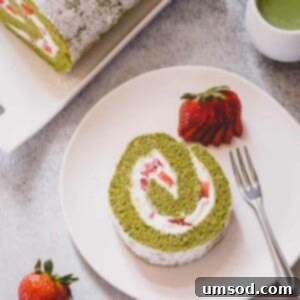
- Visually Stunning: The striking contrast between the emerald green cake, white cream, and ruby red strawberries creates a truly Instagram-worthy dessert that’s as pleasing to the eye as it is to the palate.
This matcha swiss roll is truly divine! The secret to its incredible lightness lies in whipped egg whites, which create a soft, pillowy sponge. It’s then carefully rolled with a generous layer of luscious homemade whipped cream and sweet, juicy strawberries, before being dusted with a delicate veil of powdered sugar. It’s a treat that captures the essence of spring in every exquisite bite.
What is Matcha: A Green Tea Gem Perfect for Baking
Matcha, a finely ground powder of specially grown and processed green tea leaves, is more than just a beverage; it’s a versatile culinary ingredient that adds a unique depth of flavor and a stunning vibrant green hue to dishes. Originating from Japan, matcha is known for its earthy, slightly grassy, and subtly sweet profile with a pleasant umami finish. Unlike regular green tea, where leaves are steeped and discarded, with matcha, you consume the entire tea leaf, benefiting from its full spectrum of antioxidants and nutrients.
While often enjoyed as a traditional latte, matcha’s distinctive taste shines brilliantly in a variety of recipes. From invigorating smoothies to delicate sponge cakes, muffins, and of course, this delightful matcha strawberry roll cake, its flavor adds a sophisticated twist. Its ability to impart both color and complex flavor makes it a favorite among bakers looking to elevate their creations.
Understanding Matcha Grades for Culinary Excellence
When selecting matcha, you’ll primarily encounter two main grades, each suited for different applications:
- Ceremonial Grade Matcha: This is the highest quality matcha, meticulously produced from the youngest, most tender tea leaves. It boasts the brightest green color, the smoothest texture, and the sweetest, most nuanced flavor profile. Ceremonial grade matcha is traditionally reserved for drinking in Japanese tea ceremonies, enjoyed for its purity and delicate taste. While exquisite, its higher price point often makes it less practical for baking in large quantities.
- Culinary Grade Matcha: Made from slightly older leaves or those harvested later in the season, culinary grade matcha has a bolder, sometimes more astringent flavor, and a less vibrant green color, often appearing a bit duller or yellowish. This grade is specifically designed to stand up to other ingredients and heat in cooking and baking, where its robust flavor can shine through without being overpowered.
Beyond these two primary categories, you can also find a “mid-range” or “everyday” matcha. This category offers a good balance between quality and cost. These powders typically provide a decent color and palatable taste for various culinary uses, without the premium price tag of ceremonial grade. For baking, especially in recipes like this roll cake where matcha is a star flavor, a high-quality culinary grade or a good mid-range matcha is highly recommended.
It’s crucial to avoid low-quality culinary grade matcha, as it can result in cakes with a drab, brownish-green appearance and an unpleasantly bitter aftertaste. Investing in a good quality matcha ensures your cake will have that beautiful, vibrant green and the delicate, earthy flavor we’re aiming for.
Key Ingredients for a Perfect Matcha Swiss Roll
Achieving the perfect Strawberry Matcha Roll Cake starts with a few simple, yet crucial, ingredients. Quality matters, especially when creating such a delicate dessert:
- High-Quality Matcha Powder: As discussed, this is non-negotiable for vibrant color and authentic flavor. Steer clear of cheap culinary grade matcha, which often yields a dull, brownish-green cake with a bitter taste. Look for matcha with a bright, emerald green color and a fine, silky texture. Its delicate, subtly sweet, and earthy notes will truly elevate your roll cake.
- Cake Flour: This is a secret weapon for achieving an exceptionally light and tender sponge. Cake flour has a significantly lower protein content compared to all-purpose flour, which means less gluten development during mixing. Less gluten results in a softer, more delicate crumb structure, which is ideal for a roll cake that needs to be flexible without cracking. Do not substitute with all-purpose flour if you want that signature melt-in-your-mouth texture.
- Large Eggs: The foundation of our airy sponge cake. Separating the yolks and whites and whipping them individually is key to incorporating enough air for the cake’s lift and delicate texture. Ensure they are at room temperature for optimal whipping volume.
- Granulated Sugar: Used in both the cake and the whipped cream, sugar provides sweetness and helps stabilize the egg whites, contributing to the cake’s structure and the cream’s firmness.
- Heavy Whipping Cream (Chilled): Essential for creating light, stable whipped cream. Ensure your cream is very cold, as this helps it whip up faster and hold its shape better.
- Fresh Strawberries: The sweet, slightly tart burst of fresh strawberries beautifully complements the matcha. Choose ripe, firm berries for the best flavor and texture.
How to Make This Delicate Strawberry Matcha Roll Cake
Creating this matcha swiss roll is a delightful and straightforward process. Follow these steps carefully to ensure a light, airy, and perfectly rolled cake:
Preparing the Matcha Paste:
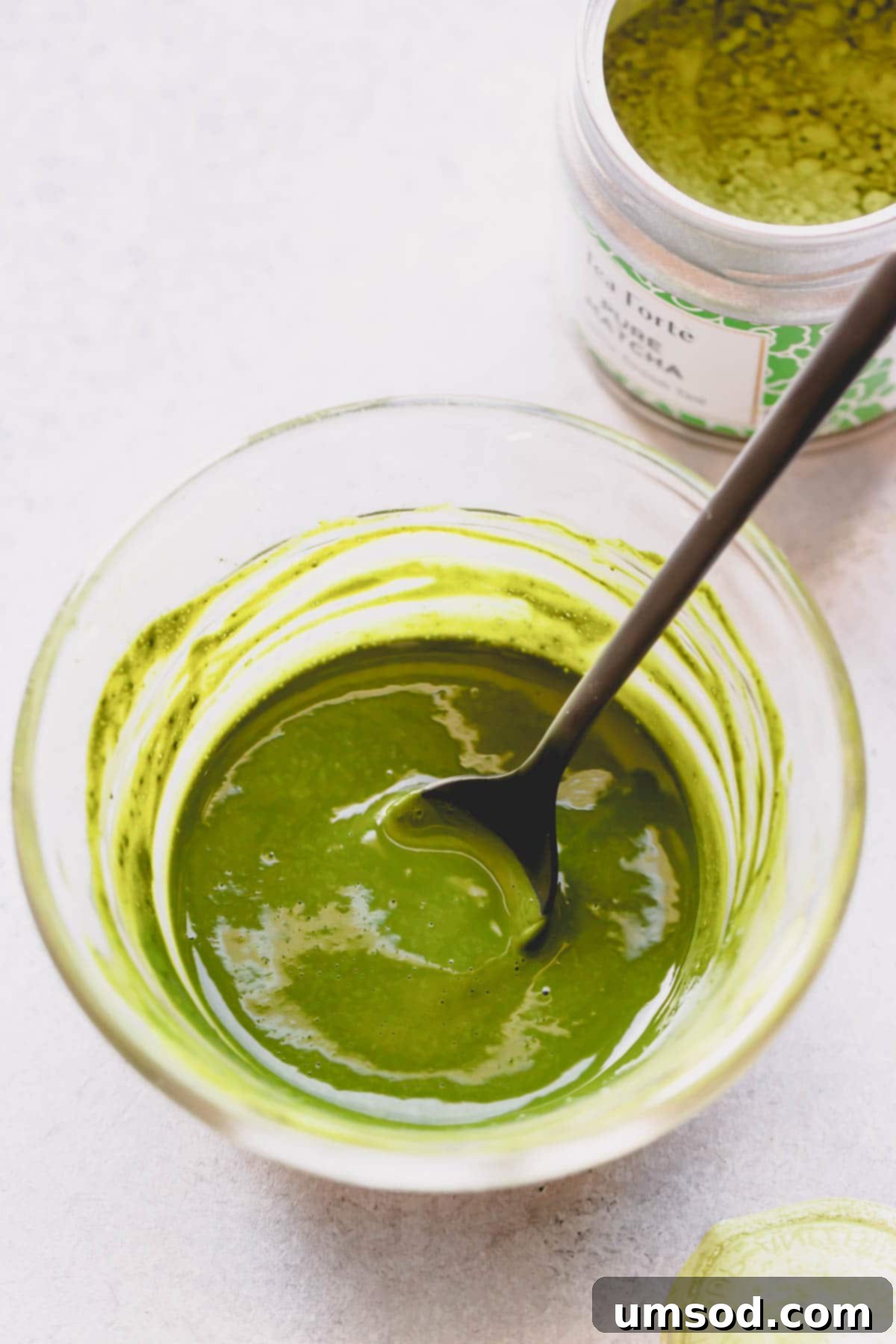
First, it’s essential to create a smooth, lump-free matcha paste. In a small bowl, combine the matcha powder with one tablespoon of hot water. Whisk vigorously until you achieve a smooth, vibrant green paste. This crucial step prevents any unsightly clumps of matcha powder from appearing in your finished cake batter, ensuring an even distribution of color and flavor.
Crafting the Ethereal Green Tea Sponge Cake Batter
- Separate Eggs with Precision: Carefully separate the egg yolks from the whites. It’s vital that absolutely no trace of egg yolk or fat contaminates the whites, as even a minuscule amount can prevent them from whipping into stiff peaks. Take your time with this step.
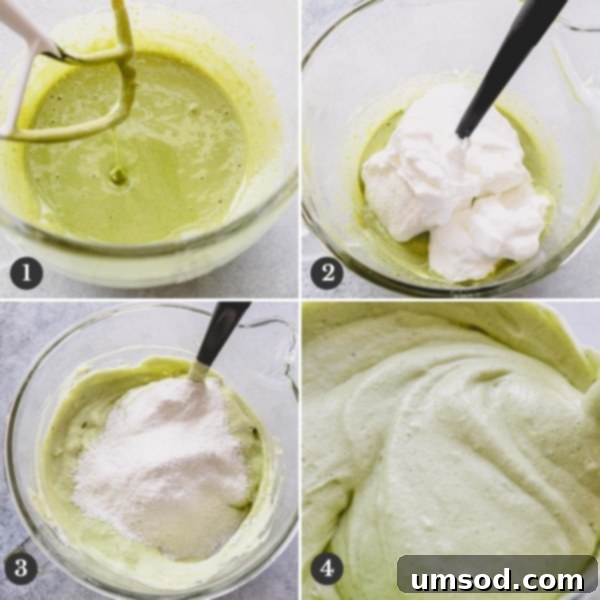
- Whip Egg Yolks to Pale Perfection: In a medium bowl, whisk the egg yolks with a quarter cup of the granulated sugar until the mixture becomes pale yellow, thick, and has roughly doubled in volume. This aeration adds lightness. Then, gently fold in the prepared matcha paste until uniformly combined, giving your batter its beautiful green hue.
- Achieve Stiff, Glossy Egg White Peaks: In a clean, dry mixing bowl (using a stand mixer with a whisk attachment is ideal), begin whipping the egg whites on medium speed until they become frothy. Gradually add the remaining sugar, one tablespoon at a time, continuing to whip. Increase the speed to medium-high and beat until stiff, glossy peaks form. Stiff peaks will stand straight up when the whisk is lifted and will look smooth and shiny. Gradual sugar addition helps stabilize the meringue, preventing it from deflating.
- Fold with a Light Touch: Gently fold half of the whipped egg whites into the egg yolk and matcha mixture. Use a spatula and a turning and cutting motion, rather than whisking, to preserve the air. Once almost combined, add the remaining egg whites and continue folding until just smooth and no streaks of white remain. Overmixing will deflate the batter and result in a dense cake.
- Incorporate Dry Ingredients: Sift the cake flour and salt directly over the batter. Sifting is crucial as it aerates the flour, prevents lumps, and makes it easier to incorporate gently. Carefully fold the dry ingredients into the batter using the same gentle turning and cutting motion until just combined. Stop as soon as the flour disappears to maintain the batter’s airiness.
Baking Science Tip
The magic of a sponge cake lies in its aeration. Whipping egg whites incorporates tiny air bubbles, which expand in the oven, causing the cake to rise beautifully without the need for chemical leavening agents like baking powder. This delicate structure is what gives sponge cakes their signature light and airy texture.
Baking and Shaping the Perfect Roll Cake
- Prepare for Baking: Preheat your oven to 375°F (190°C). Line a baker’s half baking sheet (approximately 16.5 x 11.5 inches) with parchment paper, allowing it to overhang slightly on the sides for easy handling. Importantly, do not grease the pan; the cake batter needs to “climb” the sides of the parchment as it rises.
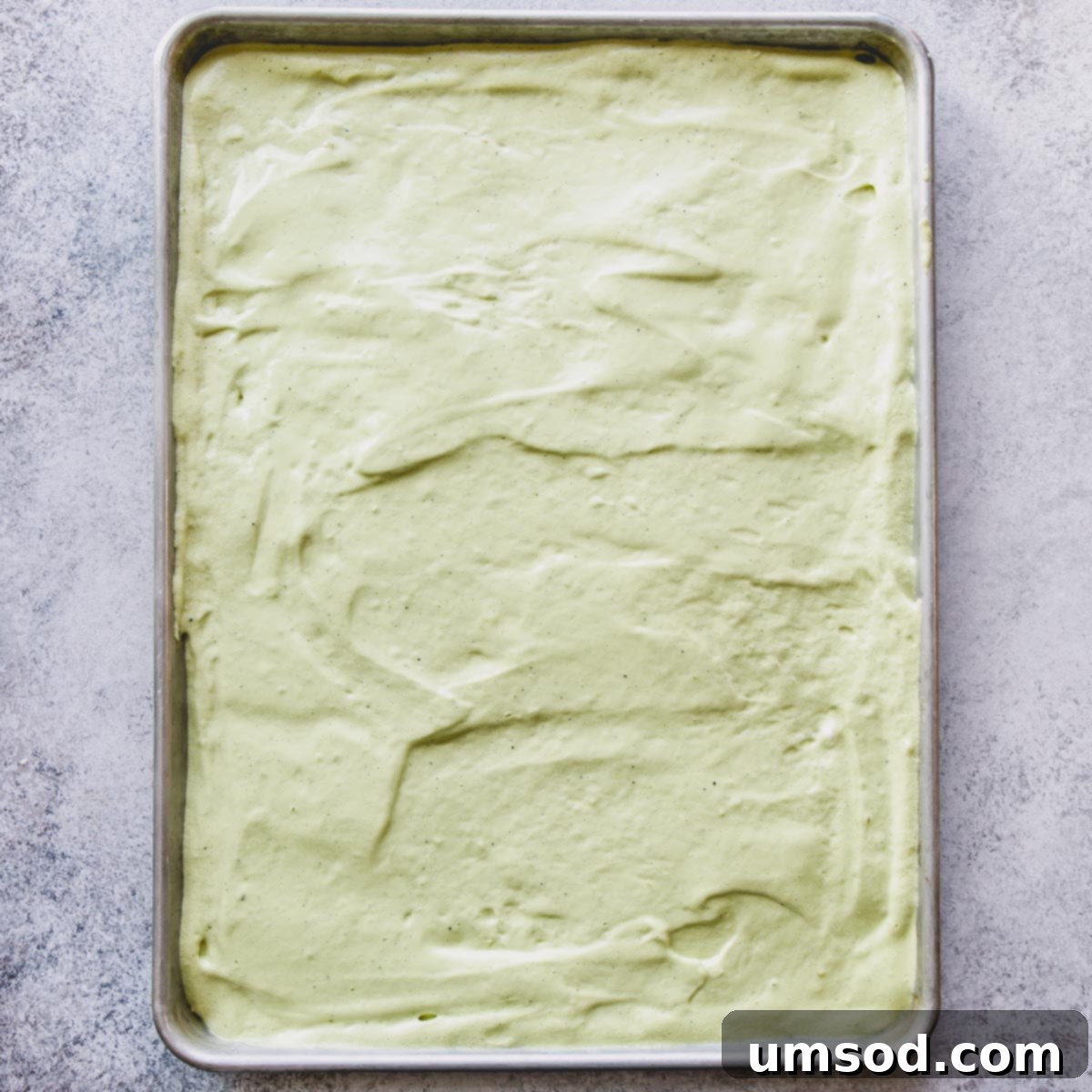
- Bake to Golden Perfection: Pour the delicate matcha cake batter into the prepared pan and spread it evenly with an offset spatula, ensuring a uniform thickness. Bake for approximately 8-10 minutes, or until a toothpick inserted into the center comes out clean and the cake springs back lightly when touched. Be mindful not to overbake, as this can dry out the cake and make it prone to cracking.
- Prepare for Rolling: While the cake bakes, lay a clean kitchen towel flat on your counter. Generously dust the towel with powdered sugar; this prevents the warm cake from sticking to the towel.
- The Art of Rolling: Immediately upon removing the cake from the oven, carefully invert it onto the prepared kitchen towel. Gently peel off the parchment paper. While still warm, starting from one of the shorter ends, carefully roll the cake (along with the towel) into a tight log. This step is crucial for training the cake to hold its rolled shape, preventing cracks later when you add the filling. Place the rolled cake, seam-side down, on a cooling rack and allow it to cool completely to room temperature.
Whipping the Luscious Cream Filling
- Start with Chilled Cream: Ensure your heavy cream is very cold. In a mixing bowl fitted with a whisk attachment, begin to whip the heavy cream on low speed until it becomes frothy.
- Sweeten and Stabilize: Gradually add the granulated sugar, increasing the speed to medium-high. Continue whipping until stiff peaks form. The cream should hold its shape firmly when the whisk is lifted. Be vigilant and avoid overwhipping, as this can cause the cream to curdle and turn into butter.
- Chill Until Ready: Immediately refrigerate the whipped cream until you are ready to assemble the cake. This maintains its firm, fluffy texture.
Assembling Your Strawberry Matcha Roll Cake Masterpiece
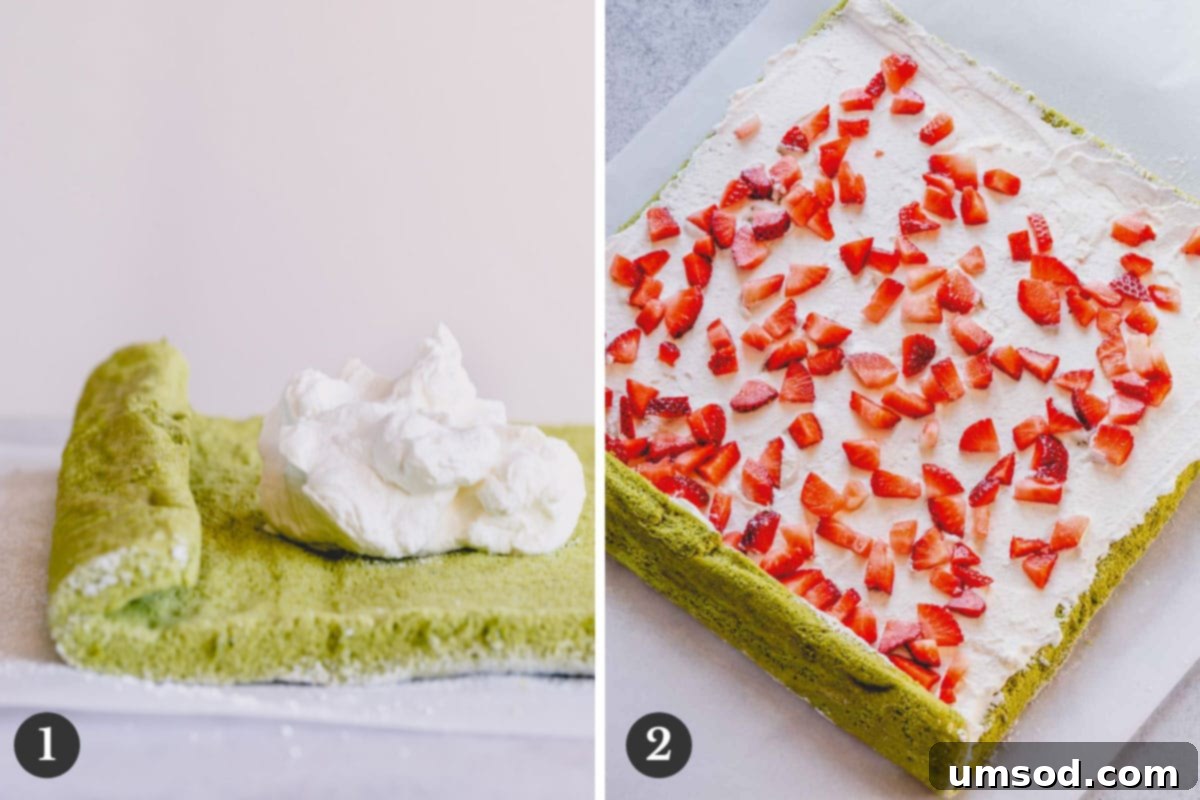
- Unroll and Spread: Once the matcha sponge cake has completely cooled, gently unroll it from the kitchen towel. Carefully spread half of the chilled whipped cream evenly over the entire surface of the cake.
- Add Strawberries and More Cream: Generously sprinkle the chopped fresh strawberries over the layer of whipped cream. Then, dollop the remaining whipped cream over the strawberries and gently spread it, encapsulating the fruit.
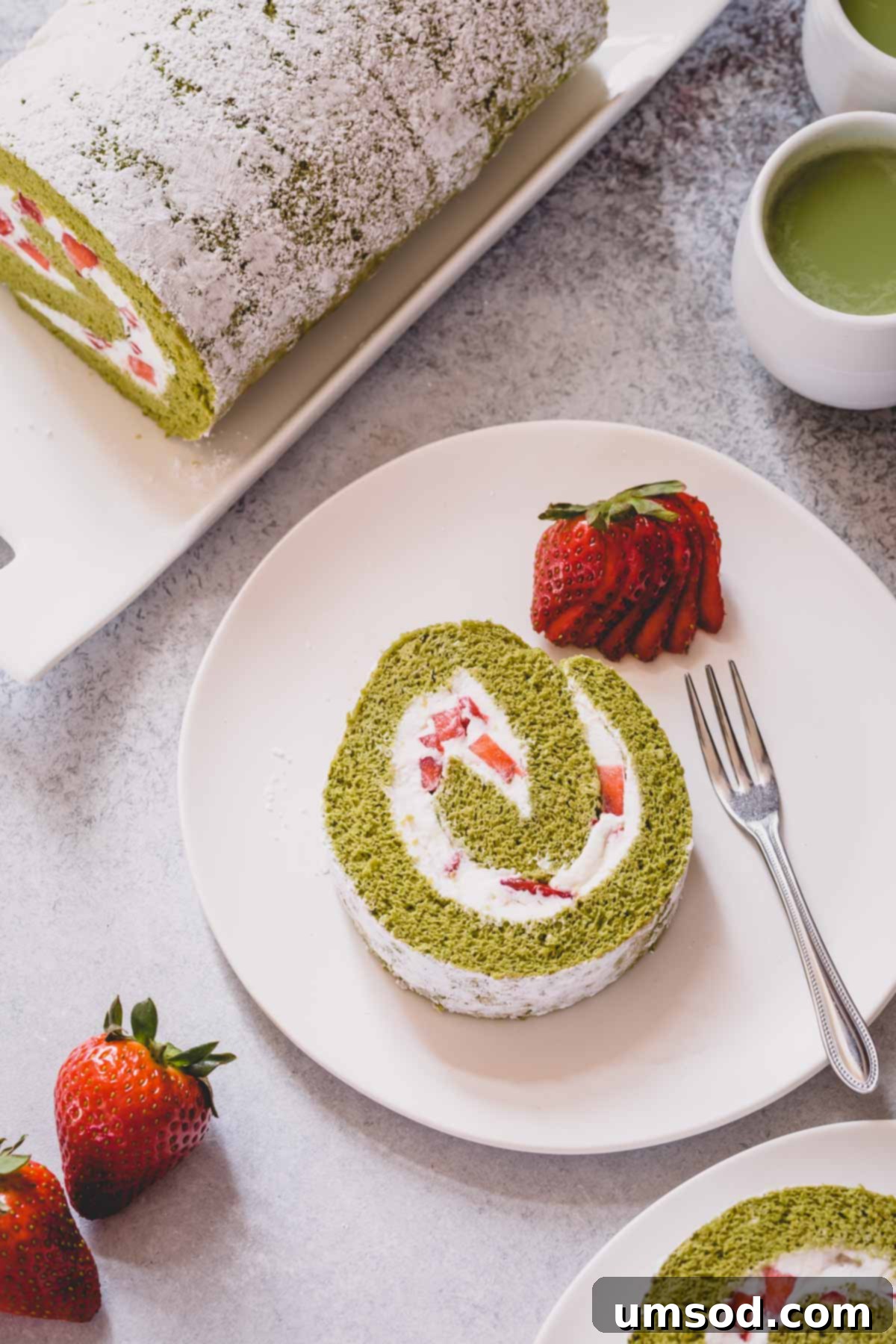
- Roll and Finish: Carefully and tightly roll the cake back into a log, starting from the same end you started with when rolling with the towel. Transfer the rolled cake to a serving platter, seam-side down. For a final flourish, dust the entire log with more powdered sugar. Enjoy immediately or refrigerate for at least 2-3 hours to allow the flavors to meld and the cake to firm up, making it easier to slice.
Pro Tips for Strawberry Matcha Roll Cake Success
To ensure your Strawberry Matcha Roll Cake turns out perfectly every time, keep these expert tips in mind:
- Invest in Quality Green Tea: The flavor and color of your cake heavily depend on the matcha. Choose a good quality matcha powder – it doesn’t have to be the most expensive ceremonial grade, but avoid very cheap culinary grades that can result in a dull color and bitter taste. A mid-range, vibrant green matcha is ideal.
- Matcha Freshness Matters: Matcha powder is highly sensitive to heat, light, and air, losing its quality quickly once exposed. For optimal taste and color, try to use your matcha powder within a couple of months after opening the package. Store it in an airtight container in a cool, dark place, or even the refrigerator.
- Embrace the Power of Air: Remember that sponge cake relies entirely on the air incorporated into the whipped egg yolks and egg whites for its rise and light texture. There are no chemical leavening agents here. This underscores the importance of properly whipping both components separately to their specified consistencies.
- Spotless Egg Whites are Key: Even a tiny speck of oil, butter, or egg yolk in your egg whites can prevent them from whipping up into those essential fluffy, stiff peaks. Ensure your mixing bowl and whisk attachment are impeccably clean and completely dry before you start.
- Gentle Folding is Paramount: Once the egg whites are whipped and combined with the yolks, the goal is to maintain that precious air. Always fold the batter gently using a spatula, employing a light turning and cutting motion. Overmixing will cause the air to deflate, leading to a dense, chewy cake rather than a light, airy one.
- Do Not Grease the Baking Pan: This might seem counterintuitive, but for a delicate sponge cake, it’s crucial. Greasing the pan prevents the light batter from gripping the sides of the parchment paper, which can hinder its ability to rise fully and evenly. The parchment paper itself provides enough non-stick surface.
- Cool Completely Before Unrolling: While you roll the cake in a towel when warm to set its shape, ensure it’s completely cooled before you unroll it to add the filling. Unrolling a warm cake can cause it to tear or stick.
Make-Ahead and Storing Tips for Your Matcha Roll Cake
This Strawberry Matcha Roll Cake is a fantastic dessert to prepare in advance, allowing the flavors to meld beautifully. Here’s how to manage your time and keep your cake fresh:
- Optimal Serving Time: For the best results and easiest slicing, this matcha cake roll benefits immensely from chilling for a few hours after assembly. Plan to make it 2-3 hours before you intend to serve it. This allows the cake to set, making clean cuts effortless.
- Preparing Whipped Cream in Advance: You can prepare the homemade whipped cream up to one day ahead of time. Simply store it in an airtight container in the refrigerator. If it stiffens too much, you can gently re-whisk it for a few seconds before use, but be careful not to overbeat.
- Storage for Freshness: Due to the fresh whipped cream and strawberries, this green tea roll cake must be refrigerated. Store it in a large airtight container to prevent it from drying out or absorbing other odors from your fridge. If an airtight container isn’t available, wrap it snugly in plastic wrap.
- Shelf Life: While the cake will technically keep for up to 4 days in the refrigerator, it is undoubtedly best enjoyed within 2 days of making it. The sponge cake can start to dry out, and the strawberries may begin to soften past their prime after this period.
Frequently Asked Questions About Matcha Roll Cakes
A Japanese cake roll, often compared to a Swiss roll, is a type of incredibly light and delicate sponge cake. It’s typically characterized by its less sweet profile compared to Western counterparts and is frequently filled with homemade whipped cream, fresh fruit, or various custard creams. The cake is then rolled into a beautiful spiral, offering a delightful texture and flavor contrast in every bite.
Matcha cake offers a unique and complex flavor profile. The matcha green tea powder infuses the cake with its distinctive earthy, slightly grassy, and subtle umami notes, balanced by an inherent sweetness and a delicate bitterness. This Strawberry Matcha Roll Cake, specifically, is designed to be less sweet than many conventional desserts, allowing the nuanced flavors of matcha and fresh strawberries to truly shine through. It’s a wonderful treat for those who appreciate more sophisticated and less sugary desserts.
Absolutely! If you don’t have cake flour on hand, you can easily create a homemade substitute. For every cup of all-purpose flour, remove two tablespoons of flour and replace them with two tablespoons of cornstarch. Sift this mixture together thoroughly at least twice to ensure the cornstarch is evenly distributed. This simple trick effectively lowers the protein content, mimicking cake flour and contributing to a softer, more tender crumb.
The primary reason a Swiss roll (or any sponge cake) might not be fluffy is due to overmixing the batter. The lightness of a sponge cake comes from the air incorporated into the egg whites and yolks. If you overmix, you risk deflating these air bubbles, leading to a dense, tough, or chewy cake. It’s crucial to fold the batter gently with a spatula, stopping as soon as all ingredients are just combined and no streaks remain. Another common culprit is having traces of fat (like egg yolk) in your egg whites, preventing them from whipping properly.
Strawberry Matcha Roll Cake
Shinee Davaakhuu
20 mins
10 mins
30 mins
8 servings
Comment
Print Recipe
Ingredients
For the Cake:
- 6 large eggs
- ½ cup (100 g) granulated sugar, divided
- 1 tablespoon (5 g) matcha powder Note 1
- 1 cup (125 g) cake flour Note 2
- ⅛ teaspoon salt
- ⅓ cup powdered sugar, for dusting
For the Filling:
- ½ cup (120 ml) heavy whipping cream, chilled
- 2-3 tablespoons (30-45 g) granulated sugar
- 7 oz (200 g) fresh strawberries, hulled and chopped
Instructions
To make the sponge cake:
- Preheat the oven to 375° F (190° C). Line a baker’s half baking sheet (about 16.5 x 11.5 inches) with parchment paper. Do not grease the pan.
- In a small bowl, mix matcha powder with 1 tablespoon hot water until smooth to create a paste.
- Carefully separate egg yolks and egg whites. (Tip: Ensure no egg yolk traces are in the whites, or they won’t whip properly.)
- In a separate medium bowl, whisk the egg yolks and ¼ cup of sugar until pale, thick, and tripled in size (about 2 minutes).
- Mix in the matcha paste until well combined.
- In a clean mixing bowl with a whisk attachment, beat egg whites on medium speed until frothy. Gradually add the remaining ¼ cup of sugar, one tablespoon at a time. Increase speed to medium-high and continue to beat until stiff, glossy peaks form.
- Add half of the whipped egg whites into the egg yolk mixture. Gently fold the batter with a spatula until almost smooth, then add the remaining whipped egg whites. Carefully fold until smooth, avoiding overmixing.
- Sift in the cake flour and salt. Gently fold until the flour is just incorporated.
- Pour the batter into the prepared baking pan. Using an offset spatula, spread the batter evenly and smooth the surface.
- Bake for 8-10 minutes, or until an inserted toothpick comes out clean and the cake springs back when lightly touched. Do not overbake.
- Meanwhile, lay a clean kitchen towel on the counter and generously dust with powdered sugar.
- Once the cake is out of the oven, immediately invert it onto the prepared kitchen towel. Carefully peel off the parchment paper. While still warm, roll the cake up tightly with the towel. (This helps the cake develop “muscle memory” to prevent cracking when filled.) Place the rolled cake on a cooling rack and let it cool completely to room temperature.
To make whipped cream:
- In a mixing bowl with a whisk attachment, beat very cold heavy cream on low speed until frothy.
- Add sugar and continue to whip on medium-high speed until stiff peaks form. Be careful not to overwhip. Refrigerate until ready to use.
To assemble the roll cake:
- Once the cake is completely cooled, gently unroll it. Spread half of the chilled whipped cream evenly over the cake and then sprinkle the chopped strawberries on top.
- Spread the remaining whipped cream over the strawberries.
- Carefully and tightly roll the cake into a log. Dust with powdered sugar and serve immediately. If not serving right away, cover and refrigerate.
⭐️ Did you make this recipe?
Please leave a review and let us know how you liked it!
Tips & Notes
Note 2: If you don’t have cake flour, you can make it yourself! Measure 1 cup of all-purpose flour, then remove 2 tablespoons of flour and replace it with 2 tablespoons of cornstarch. Sift it well before use!
Storing Tips:
– This green tea roll cake needs to be refrigerated due to the fresh filling. Store in a large airtight container or wrap tightly in plastic wrap.
– It will keep for 4 days in the refrigerator, but it’s best enjoyed within 2 days for optimal freshness and texture!
Nutrition
248kcal
34g
7g
9g
22g
90mg
Dessert
American
Did you make this?
Leave a rating and your feedback. Thank you!
This recipe was originally published on May 13, 2015.