Embark on a delightful culinary journey with this ultimate guide to Brie cheese. Explore everything from its exquisite flavor profile and traditional French origins to the best ways to serve and store this beloved, creamy delicacy. Discover why Brie is a staple on gourmet cheese boards and a star in countless recipes, making it a favorite for both everyday enjoyment and special occasions.
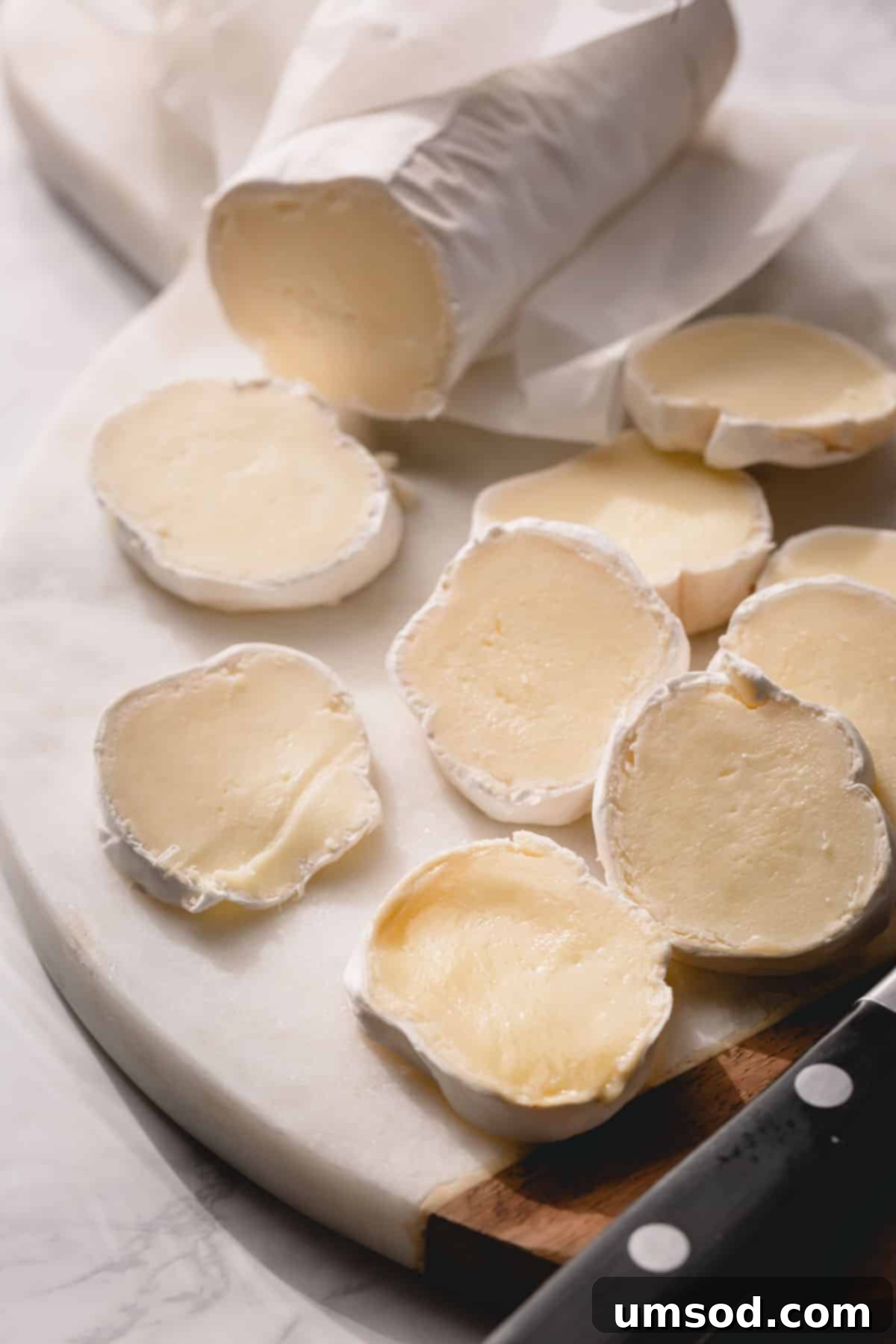
Often perceived as a sophisticated indulgence, Brie cheese holds a special place in the hearts of food enthusiasts worldwide. Its luxurious texture and distinct flavor might seem intimidating at first glance, but beneath its signature bloomy rind lies a versatile and utterly delicious experience. If you’ve ever hesitated to explore the wonders of this soft French cheese, you’re not alone. However, once you taste its rich, buttery, and subtly earthy notes, you’ll quickly understand why it’s celebrated as a true classic.
Welcome to your essential guide to Brie Cheese 101, where we unveil the secrets of this exceptional soft-ripened cheese, from its fascinating history to practical tips for enjoying it to the fullest. Get ready to elevate your cheese game and impress your guests with your newfound knowledge of this French masterpiece.
What Exactly is Brie Cheese? Understanding This French Delicacy
Brie is a renowned soft-ripened cow’s milk cheese, proudly originating from the Brie region of Northern France, after which it is named. This exquisite cheese is instantly recognizable by its characteristic bright white, edible rind, which encapsulates a sumptuously soft and often gooey center, especially when brought to room temperature or gently warmed. Its distinct texture and flavor profile make it a standout among global cheeses, synonymous with gourmet pleasure.
As a soft-ripened cheese, Brie undergoes a unique aging process that begins on the outside and gradually works its way inward. During this maturation, a specific mold, typically Penicillium candidum, grows on the exterior, forming the delicate, bloomy rind. This rind plays a crucial role, as enzymes from the mold slowly break down the proteins and fats within the cheese, transforming the firmer interior into the creamy, sometimes almost liquid, “paste” that Brie is famous for. This process typically takes around four to five weeks, resulting in a cheese that intensifies in flavor and softness as it ages, developing its signature characteristics.
Historically, authentic Brie de Meaux and Brie de Melun, protected by Appellation d’Origine Contrôlée (AOC) status in France, are traditionally made with raw, unpasteurized cow’s milk. Due to strict food safety regulations, cheeses made with raw milk and aged for less than 60 days are prohibited for import into the United States. However, fear not! The Brie available in the States and many other countries is crafted from pasteurized milk, offering the same beloved characteristics while adhering to local health standards. These pasteurized versions retain Brie’s iconic creamy texture and mild, earthy flavor, ensuring everyone can enjoy this classic French delicacy.
Exploring the Flavor Profile: What Does Brie Cheese Taste Like?
Brie offers a sophisticated yet approachable flavor that captivates the palate. It’s often described as rich, buttery, and incredibly mild, with delicate undertones that can evoke earthy notes, reminiscent of fresh mushrooms or even toasted nuts. The flavor deepens and becomes more complex as the cheese ripens, ranging from a fresh, milky taste in younger Brie to a more pronounced, pungent, and sometimes fruity aroma in mature wheels. Its creamy consistency literally melts in your mouth, leaving a delightful, lingering taste.
While frequently compared to Camembert cheese, another French bloomy-rind favorite, Brie generally presents a milder and softer profile. Camembert tends to be slightly more robust and intense in flavor, often with stronger mushroomy or garlicky notes, and a firmer consistency. Brie’s elegance lies in its smooth, melt-in-your-mouth texture and its subtle complexity, making it a highly versatile cheese for various culinary applications and an excellent starting point for those new to soft-ripened cheeses.
A common misconception is to avoid the rind. Let’s set the record straight: the bright white rind of Brie is not only entirely safe to eat but is also an integral part of the cheese’s overall flavor experience! This bloomy rind contributes a unique umami depth and a slight chewiness that beautifully complements the velvety, creamy paste. Skipping the rind means missing out on a crucial textural and flavorful dimension that cheese connoisseurs cherish. Embrace the rind; it completes the Brie experience and offers a delightful contrast in every bite.
The Art of Cheesemaking: How Brie is Expertly Crafted
The creation of Brie cheese is a testament to centuries of cheesemaking tradition, a delicate process that transforms simple cow’s milk into a culinary masterpiece. The journey begins with carefully selected cow’s milk, which is gently warmed. To this warmed milk, a small amount of rennet is added. Rennet, an enzyme, causes the milk proteins to coagulate, forming soft curds and separating them from the clear, yellowish liquid known as whey.
Once the curds have formed, they are delicately cut into smaller pieces, allowing more whey to be released. These curds are then carefully ladled into specific Brie molds, often in thin layers, and left to drain naturally under their own weight. This slow draining process further removes whey and helps the curds knit together, forming the characteristic wheel shape of Brie. Unlike many other cheeses, Brie is not typically pressed, contributing to its tender, delicate texture and eventual creaminess.
After being removed from their molds, the young cheeses are meticulously salted, a crucial step for flavor development and preservation. Following salting, the wheels are sprayed or inoculated with a culture of Penicillium candidum, the specific mold responsible for Brie’s iconic bloomy rind. The cheeses are then transferred to controlled aging rooms, known as affinage cellars, where they mature for approximately four to five weeks. During this period, the rind “blooms,” and the enzymes within the mold begin their transformative work, ripening the paste from the outside in, progressively softening it and developing its rich, nuanced flavors. This meticulous process culminates in the creation of the luxurious, ready-to-enjoy Brie cheese we adore.
Delightful Serving Ideas for Brie Cheese: From Simple to Sophisticated
Brie cheese effortlessly blends humble charm with sophisticated elegance, making it an ideal choice for any occasion – from a casual snack to the centerpiece of a grand dinner party or holiday table. Its wonderfully mild yet rich flavor profile makes it incredibly versatile, pairing beautifully with an astonishing array of ingredients. You truly don’t need a special reason or a complicated recipe to indulge in this luxurious cheese; its natural appeal shines through whether served simply or incorporated into gourmet dishes.
Here are some of the most popular and creative ways to enjoy this adaptable French cheese, ensuring you get the most out of every creamy bite:
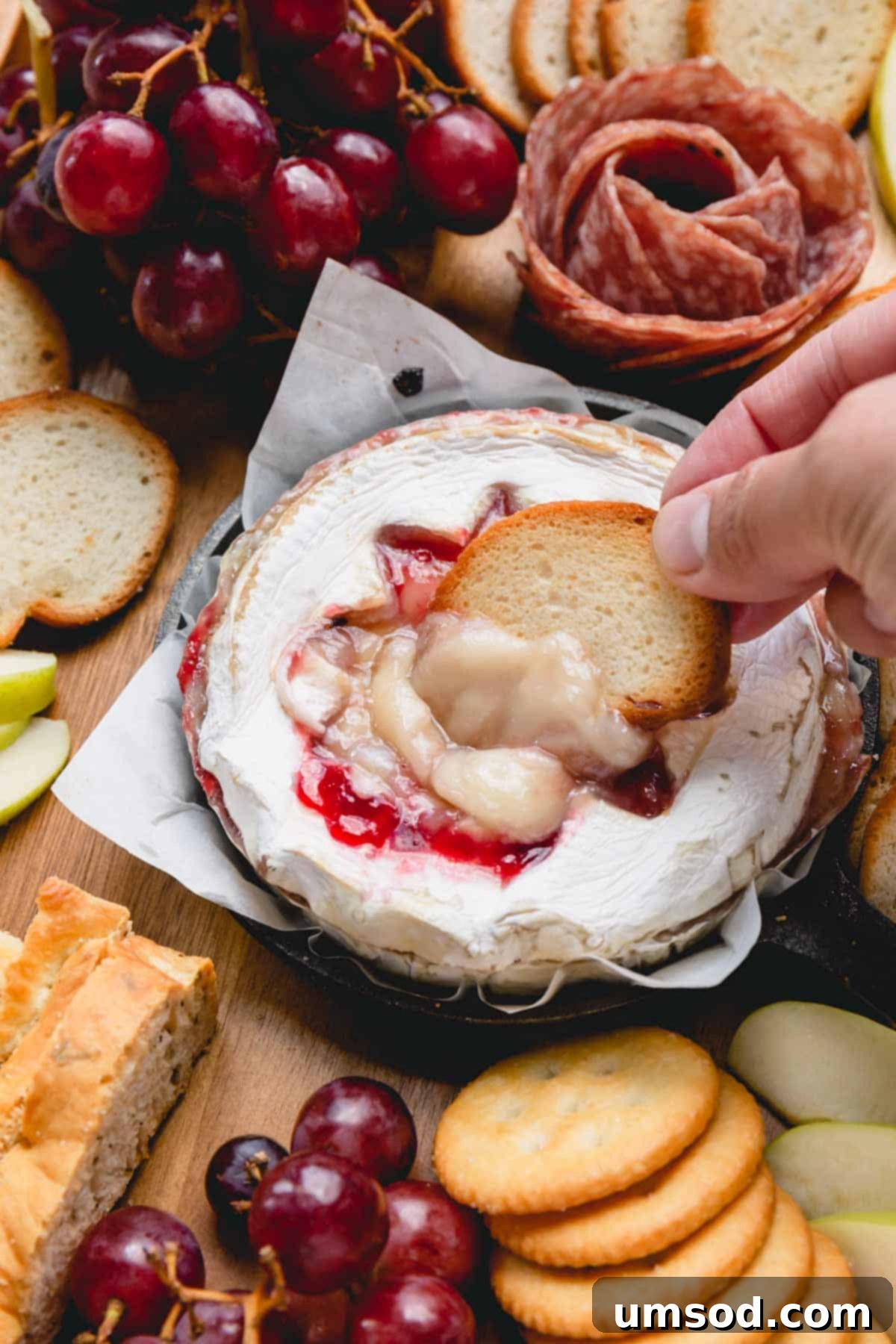
- Classic Baked Brie: A perennial favorite, baked Brie transforms into an irresistible, molten delight. Preheat your oven to 350°F (175°C) and bake a whole wheel of Brie for about 15-20 minutes, or until the center is gloriously gooey and warm. Enhance it further by topping with your favorite sweet or savory additions before or after baking. Popular choices include fig jam, raspberry preserves, honey and walnuts, caramelized onions, pesto, or even a sprinkle of fresh herbs like thyme or rosemary. Serve warm with crisp crackers, crusty baguette slices, apple wedges, or pear slices for an unforgettable appetizer that’s always a hit.
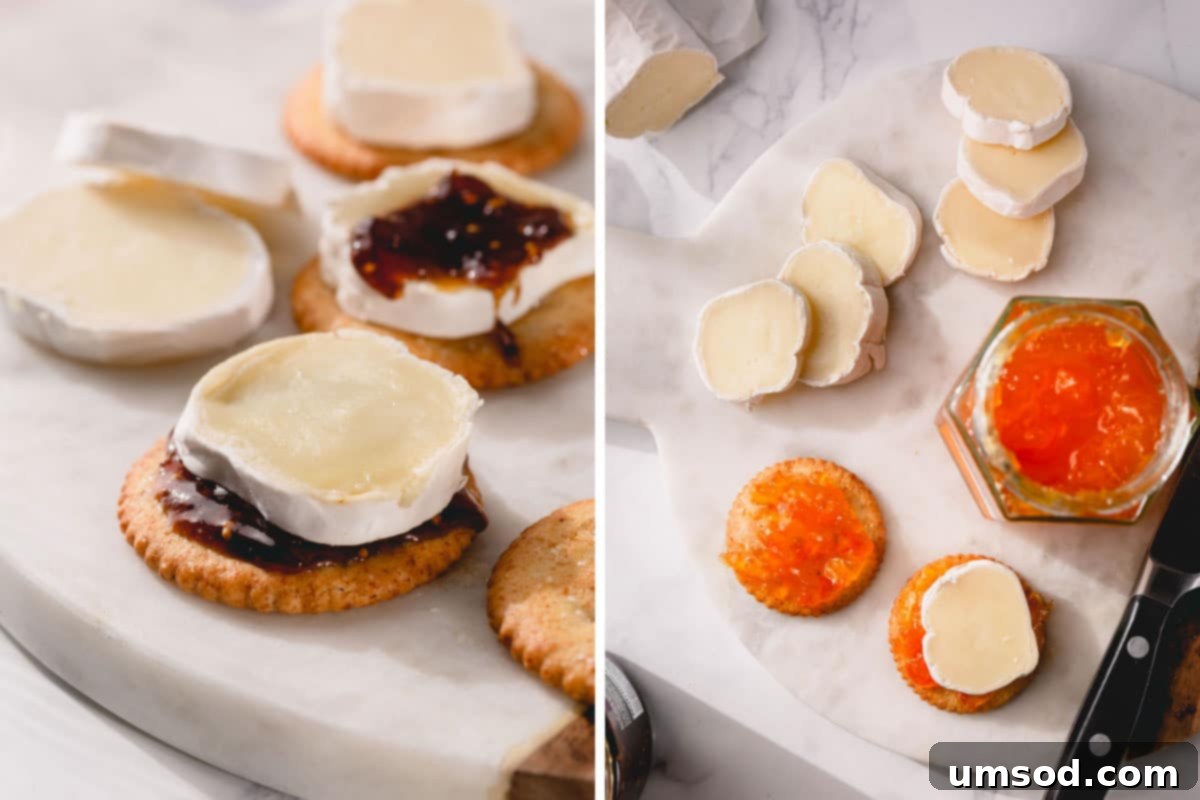
- Elegant Brie Bites: For a quick and easy gourmet bite, simply slice Brie and pair it with a cracker – Ritz crackers are a classic choice – and a dollop of your favorite accompaniment. Sweet options like fig jam, spicy pepper jelly, apricot preserves, or a drizzle of balsamic glaze create a wonderful contrast. For savory notes, consider a sliver of prosciutto, a small slice of cured sausage, or a roasted red pepper strip. These simple bites are perfect for impromptu gatherings, sophisticated snacks, or as a quick addition to lunchboxes.
- Brie en Croûte: Elevate your Brie experience by wrapping a wheel of Brie inside flaky puff pastry to create a show-stopping Brie en Croûte. Brush the pastry with an egg wash for a golden sheen, then bake at 425°F (220°C) until the pastry is puffed and golden brown. The possibilities for fillings are endless: honey and pecans, tart cranberries, sweet raspberry jam, a savory mushroom duxelles, or rich caramelized onions. It’s a guaranteed crowd-pleaser that looks as impressive as it tastes and is surprisingly simple to prepare.
- Gourmet Brie Grilled Cheese: Reinvent the classic grilled cheese sandwich by using Brie for its incredibly creamy, melt-in-your-mouth texture. Brie pairs exceptionally well with both sweet and savory components. Try it with thinly sliced apples or pears for a hint of sweetness, crispy bacon or savory ham for a hearty touch, or sautéed mushrooms and spinach for an earthy vegetarian option. Add a smear of fig jam or a touch of mustard for extra complexity. Grill until golden brown and the Brie is perfectly melted for a truly decadent and comforting meal.
- The Star of Your Charcuterie Board: Brie is a quintessential element for any well-curated charcuterie and cheese board. Its elegant appearance and versatile flavor make it an eye-catching focal point. Surround it with an assortment of complementary items: crunchy nuts (walnuts, pecans, almonds), various cured meats (prosciutto, salami, sopressata), an array of crackers and artisan breads, fresh seasonal fruits (grapes, berries, sliced figs, melon), and flavorful spreads or preserves. Don’t forget some olives, cornichons, or pickled vegetables for a briny counterpoint to cleanse the palate.
Beyond these popular preparations, feel free to unleash your culinary creativity with Brie. Incorporate it into a rich mac and cheese for an extra layer of creaminess, melt it over a juicy burger for a gourmet upgrade, or even use it to stuff baked chicken breasts or portobello mushrooms for a savory main course. Its adaptability truly knows no bounds, making it a valuable ingredient in both everyday meals and elaborate culinary creations. Experiment with Brie in tarts, omelets, or even as a creamy base for sauces.
Ensuring Freshness: Proper Storage for Brie Cheese
To preserve the exquisite flavor and texture of your Brie cheese, proper storage is paramount. Unlike many other foods, cheese benefits from breathing, and incorrect storage can significantly shorten its shelf life and impair its quality. Here’s how to keep your Brie in optimal condition for maximum enjoyment:
- Avoid Plastic Wrap for Whole Wheels: Do not tightly suffocate a whole wheel of Brie in plastic wrap. Plastic wrap traps moisture, which can encourage the growth of undesirable molds and impart an unpleasant plastic taste to the cheese. It inhibits the cheese’s ability to breathe and continue its natural maturation, often leading to a slimy rind or off-flavors.
- Opt for Parchment or Wax Paper: The best way to store Brie is to wrap it loosely in parchment paper, wax paper, or specialized cheese paper. This allows the cheese to breathe while protecting it from drying out. If the paper doesn’t stay put, a gentle piece of tape can secure it without sealing it too tightly. For added protection and to prevent it from absorbing other refrigerator odors, you can then place the parchment-wrapped cheese in a slightly larger, loosely sealed container or a reusable beeswax wrap.
- Storage for Cut Pieces: Once cut, the exposed paste of Brie is more vulnerable. Wrap individual cut pieces of Brie snugly in plastic wrap, ensuring as little air as possible touches the cut surface. Then, place these plastic-wrapped pieces inside a larger, airtight container to protect them further. Store cut Brie in the refrigerator for up to three to five days for the best quality, as its shelf life decreases significantly once exposed to air.
- Ideal Serving Temperature: For the most enjoyable experience, always serve Brie at room temperature. Remove the cheese from the refrigerator at least one hour before you plan to serve it. This allows the paste to soften and its complex flavors and aromas to fully develop and become more pronounced, offering a truly superior tasting experience.
- Recognizing Spoilage: Always trust your senses. If you detect a strong ammonia smell, which indicates the cheese is over-ripened or beginning to spoil, it’s best to discard it. Similarly, if you observe any dark, fuzzy, or unusual molds (beyond the characteristic white bloomy rind), or if the cheese dries out significantly and hardens, it’s a clear sign that it’s past its prime and should not be consumed. A healthy Brie should have a fresh, milky, or earthy aroma.
- Freezing Brie: While technically possible, freezing Brie is generally not recommended for cheese intended to be eaten fresh. Freezing can alter the cheese’s delicate texture, making it crumbly or grainy upon thawing, and can mute its subtle flavors. However, if you have excess Brie and plan to use it in cooked dishes where texture changes are less critical (like baked Brie en Croûte or a creamy sauce), freezing for up to a month in an airtight container can be an option.
Brie Alternatives: Excellent Substitutes for Your Culinary Needs
If your local grocery store happens to be out of Brie, or if you’re simply looking to explore similar soft-ripened cheeses, don’t despair! Several fantastic alternatives can step in to provide a comparable creamy texture and delightful flavor profile. Here are some top substitutes for Brie, each with its unique characteristics, ensuring your culinary plans can proceed without a hitch:
- Camembert Cheese: Perhaps the most common and closest substitute, Camembert is also a soft-ripened cow’s milk cheese from France, featuring a bloomy rind. While similar in texture, Camembert often has a slightly more robust, earthy, and sometimes pungent flavor compared to Brie, with a denser paste and a smaller diameter. It works exceptionally well in most recipes calling for Brie, especially baked dishes or on a cheese board where a slightly stronger flavor is welcome.
- Saint-André: Often described as a “triple crème” Brie, Saint-André is an incredibly rich and decadent cow’s milk cheese. It boasts a much higher fat content (around 75%), resulting in an exceptionally buttery, dense, and luxurious texture that is even creamier than traditional Brie. Its rind is typically thinner and has a tangy, slightly salty flavor that beautifully complements its opulent interior. Saint-André is an excellent choice when you want to elevate the richness of a dish or simply indulge in a more luxurious cheese experience.
- Coulommiers: Considered an ancestor of Brie, Coulommiers is another soft-ripened cow’s milk cheese from France. It is typically smaller and thicker than a standard Brie wheel, with a more pronounced nutty flavor and a firm yet creamy texture. Coulommiers offers a delightful balance of classic bloomy-rind characteristics with its own distinct personality, making it a superb substitute for a cheese board or in recipes where a slightly firmer melt is acceptable.
- Chèvre Cheese (Goat Cheese): While not a direct flavor match due to being made from goat’s milk, a soft, fresh Chèvre can serve as a suitable substitute in certain contexts, particularly for its creamy, spreadable texture. Chèvre offers a distinct tangy, bright, and often earthy flavor that is noticeably different from Brie’s milder notes. It’s an excellent choice if you enjoy a more assertive, fresh taste, especially in salads, tarts, or when paired with fruits and honey. Look for soft, ripened chèvre logs for the closest textural comparison.
- Reblochon: This semi-soft, washed-rind French cheese offers a rich, nutty, and slightly fruity flavor with a delightful creamy interior, although its rind is different from Brie’s bloomy rind. Its texture is soft and supple, melting beautifully. Reblochon can be a great substitute in cooked dishes where a rich, milky flavor and smooth texture are desired, such as in gratins or melted over potatoes (as in Tartiflette), or as a table cheese alongside fruits and bread.
When selecting a substitute, consider the specific role Brie plays in your recipe. For baked dishes, Camembert or Saint-André will mimic Brie’s melt and richness most closely. For fresh enjoyment on a cheese board, any of these soft-ripened options will offer a delightful experience, allowing you to explore new dimensions of creamy, artisanal cheese and find new favorites.