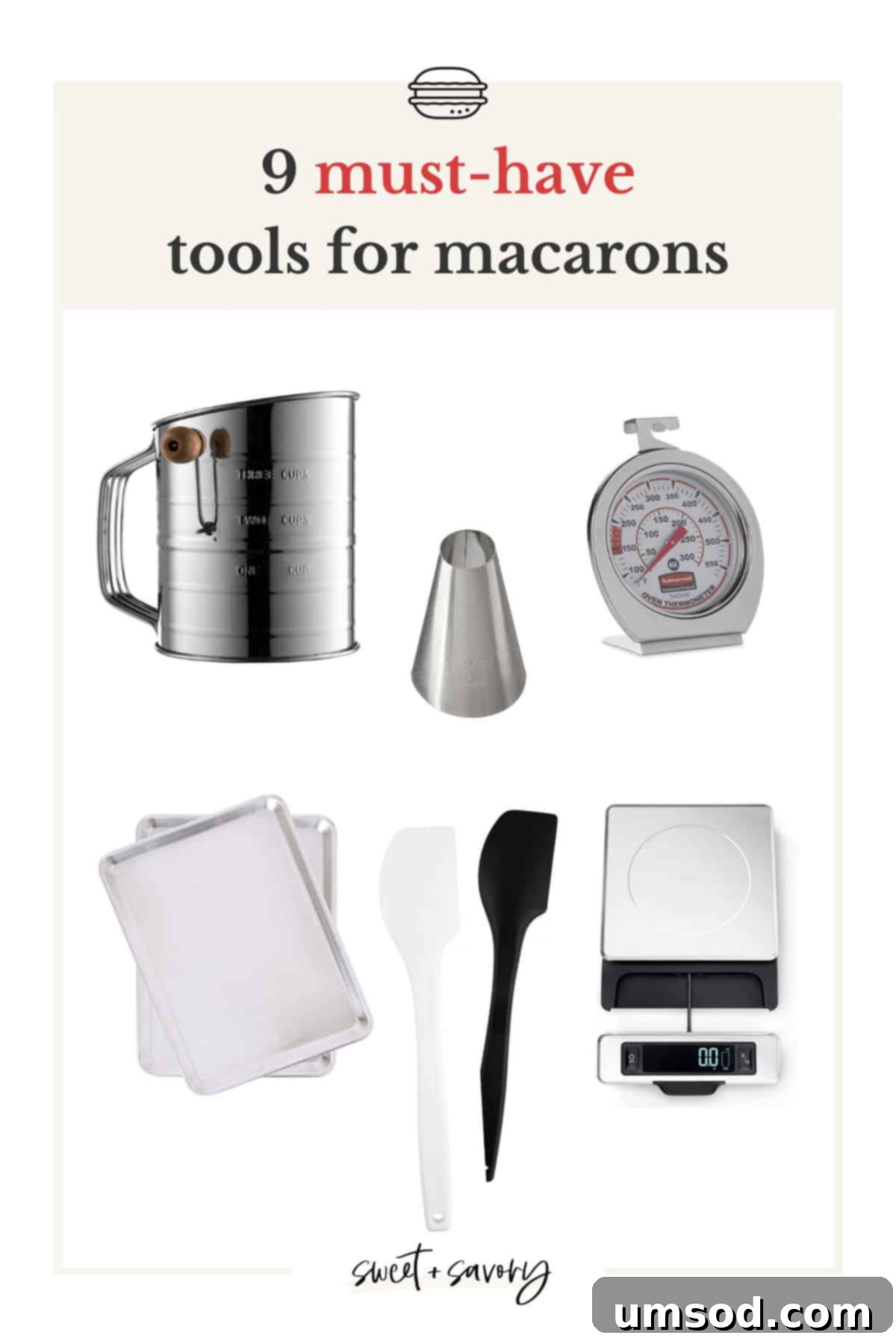
Welcome to the definitive guide on essential macaron tools, where years of baking experience converge to bring you honest reviews, indispensable product recommendations, and the deep dive into *why* each tool is non-negotiable for achieving those coveted perfect French macarons.
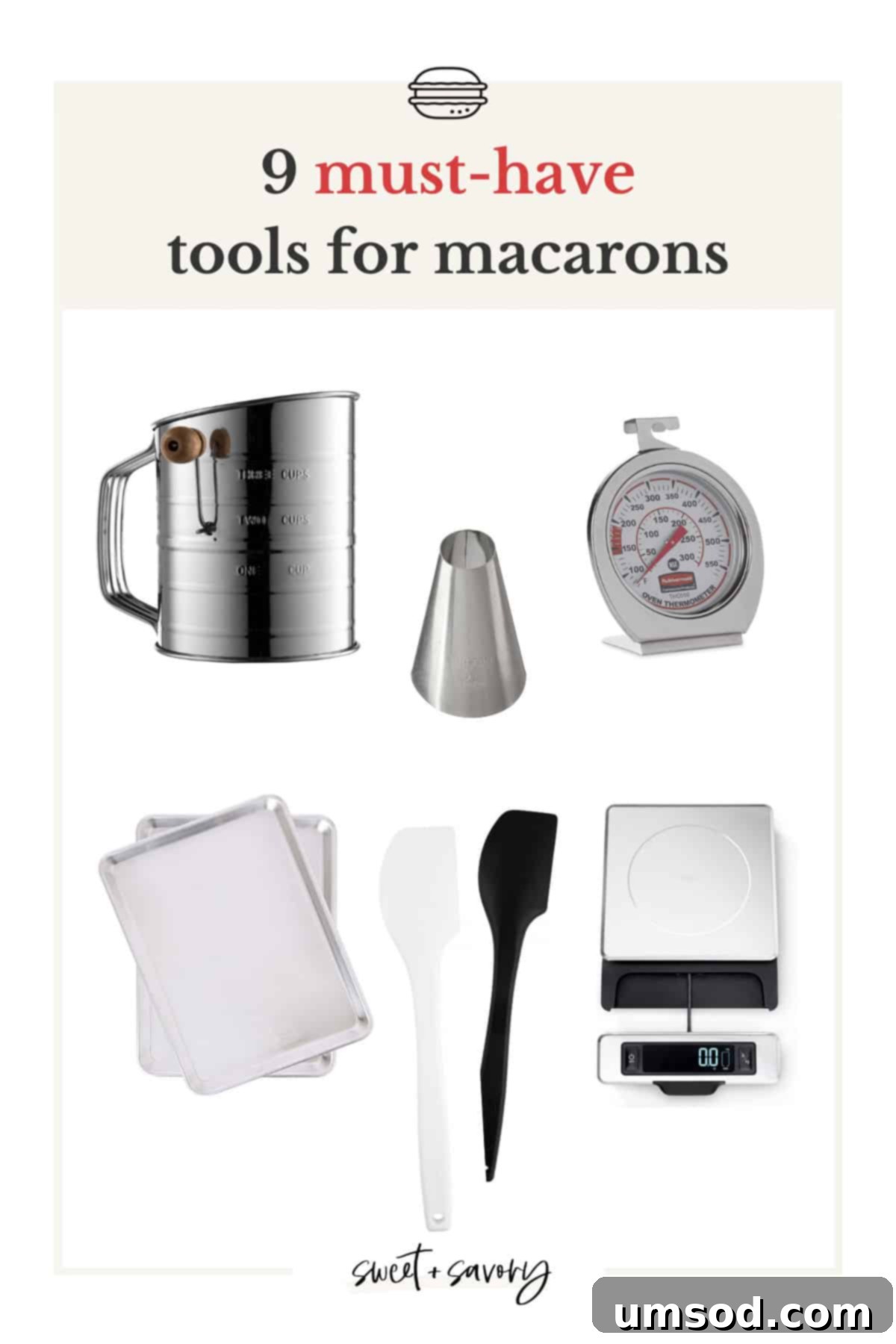
After more than a decade immersed in the delicate art of macaron making, I’ve cultivated a strong understanding and a very particular opinion about the tools that truly make a difference. My journey has involved countless experiments, troubleshooting sessions, and a relentless pursuit of perfection, all of which have highlighted the undeniable impact of having the right equipment.
Through this extensive experience, I’ve personally tested numerous brands and variations of the tools you’ll find listed below. This guide isn’t just a list; it’s a distillation of lessons learned, designed to save you time, frustration, and wasted ingredients. If you’re serious about mastering the craft of homemade French macarons, equipping yourself with these essential items is the first crucial step towards consistent success. Investing in quality tools means investing in your baking confidence and the consistent achievement of beautiful, delicious macarons.
1. Kitchen Scale: The Foundation of Macaron Precision
French macarons are an exquisite dance of science and art, and at the heart of their success lies unwavering precision. Unlike many other baking ventures where a cup or a spoon can suffice, macarons demand exact measurements for every single ingredient, especially the egg whites. Ignoring this fundamental rule is a common pitfall that leads to a cascade of macaron problems.
Consider the humble egg white: its volume varies significantly depending on the size of the egg. Even if you opt for carton egg whites, their density requires precise weighing. Too many egg whites introduce excess moisture into your delicate batter, a primary culprit for common issues such as hollow shells, cracked tops, or sticky feet. Conversely, too little egg white results in a thick, unmanageable batter that prevents proper spreading and foot formation. The margin for error is incredibly small; a mere 3-5 grams difference in egg white weight can irrevocably throw off the entire ingredient ratio, compromising the delicate balance required for a stable meringue and a perfect macaronage.
Therefore, investing in a reliable kitchen scale isn’t just an advantage for macaron making; it’s an absolute necessity for any serious baker. It eliminates guesswork, ensures consistent results, and dramatically reduces the likelihood of frustrating baking failures. This single tool empowers you with the control needed to confidently replicate recipes and achieve professional-quality macarons every time.
PRODUCT RECOMMENDATION: The OXO kitchen scale is a true workhorse in my kitchen, renowned for its accuracy, durability, and user-friendly design. For those seeking a more budget-friendly option without compromising quality, this mini version offers the same excellent performance in a compact form factor.
2. Sifter: The Secret to Silky Smooth Macaron Shells
Sifting your dry ingredients – almond flour and powdered sugar – is a critical step that often gets overlooked, yet it plays a pivotal role in the texture and appearance of your finished macarons. It’s not just about mixing; it’s about refining the ingredients to their optimal state for macaron success. There are three primary reasons why proper sifting is indispensable:
- Eliminates Large Almond Bits: Almond flour, even the finely ground variety, can contain larger particles or clumps. Sifting removes these imperfections, ensuring your macaron shells are flawlessly smooth, free from unsightly bumps or an undesirable gritty texture. This contributes significantly to the elegant, uniform appearance characteristic of gourmet macarons.
- Thoroughly Mixes Dry Ingredients: Beyond just separating particles, sifting effectively combines the almond flour and powdered sugar. This ensures a homogenous mixture, preventing pockets of unmixed ingredients that could lead to inconsistent batter and unevenly baked shells.
- Aerates the Mixture: As the dry ingredients pass through the fine mesh, they are infused with air. This aeration is crucial for a lighter, more delicate macaron texture. It helps create those coveted fluffy, full shells and contributes to a stable structure that can better support the meringue.
A high-quality sifter is a versatile tool, beneficial not only for macarons but also for achieving an extra-fluffy cake or perfectly smooth gravies. However, not all sifters are created equal, and choosing the right one can make a significant difference. I strongly advise against battery-operated sifters, which are often too slow and cumbersome, leading to user fatigue. Similarly, squeeze sifters and certain hand-crank models with removable meshes can be inefficient or prone to mess. Opting for a sifter that offers consistent performance and ease of use will streamline your macaron process.
PRODUCT RECOMMENDATION: I specifically recommend this hand-crank sifter for its efficiency and reliable performance; it truly works like a charm. Alternatively, a regular fine mesh sieve can also yield excellent results and is a versatile addition to any kitchen.
3. Stand Mixer: The Powerhouse for Perfect Meringue
The meringue forms the very backbone of a perfect macaron. Its stability, volume, and consistency directly impact the final structure, foot development, and overall texture of your macaron shells. Achieving a well-whipped, stable meringue—often referred to as stiff peaks—requires a significant amount of consistent, vigorous whipping. For French meringue, this can take a substantial amount of time, typically around 20-25 minutes in my KitchenAid stand mixer.
While an electric hand mixer can certainly get the job done, the sheer duration and intensity of the whipping process make a stand mixer an invaluable asset. It allows for hands-free operation, meaning you don’t have to stand there holding a mixer for nearly half an hour, enduring arm fatigue. This frees you up to prepare other ingredients, clean up, or simply relax while your meringue transforms into its ideal state. A stand mixer provides consistent power and speed, ensuring your egg whites are incorporated with air uniformly, leading to a strong, resilient meringue that holds its shape beautifully.
Without a properly whipped meringue, your macaron batter will lack the necessary structure, resulting in flat, cracked, or hollow shells. The power and convenience of a stand mixer make this critical step far more accessible and less daunting, contributing significantly to your macaron success.
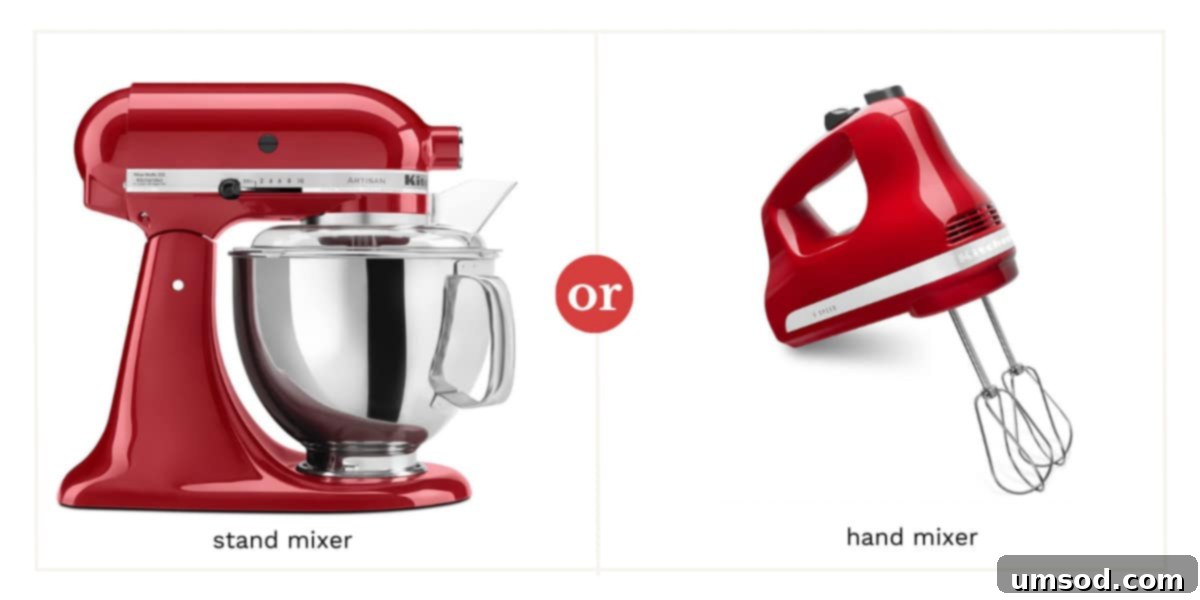
PRODUCT RECOMMENDATION: While many mixer brands offer excellent performance, I personally adore my KitchenAid Artisan 5qt stand mixer. It’s incredibly reliable and perfectly suited for my basic macaron recipe, which uses a smaller quantity of egg whites. For those who prefer a more portable or space-saving option, the KitchenAid hand mixer is also a fantastic choice, offering robust performance for meringue whipping.
4. Silicone Spatula: The Artist’s Brush for Macaronage
Macaronage is arguably the most critical and often intimidating step in macaron making. This delicate folding technique, where the dry ingredients are gently incorporated into the meringue, dictates the final consistency of your batter—and ultimately, the success of your shells. The goal is to achieve a “lava-like” consistency, often described as the “ribbon stage,” where the batter flows slowly and smoothly off the spatula in a continuous ribbon. Over-mixing leads to runny batter and flat shells, while under-mixing results in stiff batter and lumpy, misshapen macarons.
Having the right silicone spatula makes this precise job immensely easier. An ideal spatula must be comfortable to hold, offering good grip and control. Its flexibility is crucial for gently scraping the sides of the bowl and folding the batter without deflating the precious air from the meringue. However, it shouldn’t be *too* flexible; a spatula that’s too flimsy won’t effectively incorporate the ingredients, leading to uneven mixing. The perfect balance of flexibility and sturdiness is key.
Beyond macarons, high-quality silicone spatulas are absolute must-haves for any kitchen. Their versatility, heat resistance, and non-scratch properties make them indispensable for cooking, baking, and general food preparation. I genuinely can’t imagine navigating my culinary endeavors without a reliable set of these essential tools.
PRODUCT RECOMMENDATION: My absolute favorite is this large Thermoworks silicone spatula. Its one-piece design means there are no creases or grooves for food to get trapped, making it incredibly hygienic and easy to clean. It’s also highly temperature-resistant, perfect for various tasks, and remarkably, it doesn’t discolor over time, maintaining its pristine appearance even after extensive use.
5. Piping Bag: Shaping Your Macaron Masterpieces
Once your macaron batter has reached the perfect consistency, the next step is to pipe it into uniform, perfectly round shells. A high-quality piping bag is absolutely essential for achieving this precision. A flimsy or poorly constructed bag can tear under pressure, leading to messy spills and inconsistent shell sizes. A good piping bag provides the necessary control and stability, allowing you to create consistently sized and shaped macarons with ease.
For my basic macaron recipe, which typically yields a good quantity of batter, 16-inch piping bags are the ideal size. They offer enough capacity to hold a substantial amount of batter, reducing the need for frequent refills and allowing for a smoother, more continuous piping process. For lighter tasks, such as filling your baked macaron shells with ganache, buttercream, or curd, 12-inch bags are perfectly suited, offering more maneuverability for delicate work.
Whether you opt for disposable or reusable bags, the key is to choose a material that is robust and easy to handle, ensuring a smooth flow of batter and minimizing any risk of breakage during the piping stage. This seemingly simple tool plays a significant role in the aesthetic appeal and uniformity of your final macaron batch.

PRODUCT RECOMMENDATION: These disposable 16-inch piping bags are my top choice. They are commendably thick and incredibly reliable, never failing or breaking during use. For those seeking a sustainable and durable option, this plastic-coated 18-inch Ateco piping bag is an excellent reusable alternative, known for its longevity and ease of cleaning.
Super Handy Tools
Don’t overlook these piping bag ties! They are small but incredibly useful, securing the top of your filled piping bag to prevent spillage and ensure easy, mess-free handling as you pipe your macarons.
6. Piping Tip: Defining the Shape of Your Macarons
To achieve the signature perfectly round and consistent macaron shells that are synonymous with French patisserie, a high-quality round piping tip is an absolute must-have. While the piping bag provides the vessel, the piping tip dictates the precise diameter and flow of your batter, directly influencing the final shape and size of each macaron.
I’ve found that using a smaller piping tip helps in several ways. It allows for a more controlled flow of batter, making it easier to achieve uniform circles. More importantly, it often contributes to the development of full and fluffy shells. A smaller opening encourages the batter to rise more evenly, promoting better “feet” development and reducing the likelihood of hollows. It gives you greater precision, which is invaluable when striving for a professional finish.
Mastering the piping technique can take a little practice, but with the right tip, you’ll find the process much more intuitive and rewarding. For a visual guide and detailed instructions, be sure to check out my comprehensive video tutorial on how to properly pipe your macarons for full shells.
PRODUCT RECOMMENDATION: My go-to choices for consistent, beautiful macaron shells are the Wilton 2A and Wilton 12 round piping tips. These sizes are versatile, widely available, and provide excellent results for various macaron recipes.
7. Heavy Duty Baking Sheet: The Foundation for Even Baking
The baking sheet you choose is far more critical than you might think for macaron success. A flimsy, lightweight baking sheet can quickly warp under high oven temperatures, leading to uneven heat distribution. This often results in macarons that are browned on one side, underbaked on the other, or prone to cracking due to inconsistent heating. To achieve consistently baked macarons with perfect feet and a uniform texture, a heavy-duty, sturdy baking sheet is non-negotiable.
Aluminum baking sheets are highly favored by professional bakers for their excellent heat conductivity and durability. They distribute heat evenly across the entire surface, ensuring that your macarons bake uniformly from edge to edge. This even heat transfer is essential for proper foot development and preventing problems like hollows or excessively dry shells. I’ve been relying on these types of baking sheets for years, not just for macarons, but for all my baking needs. Their robust construction means they resist warping and maintain their excellent shape and performance even after countless uses, making them a worthwhile long-term investment for any kitchen.
PRODUCT RECOMMENDATION: I highly recommend Nordic Ware aluminum baking sheets, which are celebrated for their exceptional quality and even heat distribution. Additionally, the baker’s half aluminum baking sheets from Sam’s Club also offer fantastic value and performance, holding up wonderfully over time.
8. Parchment Paper vs. Silicone vs. Teflon: The Ideal Baking Surface
The choice of baking surface is a hotly debated topic among macaron enthusiasts, and rightly so, as it significantly impacts the outcome of your shells. Each material offers distinct advantages and disadvantages:
- Parchment Paper: A common and accessible option, parchment paper is convenient for quick cleanup. However, it tends to wrinkle easily, which can unfortunately lead to misshapen macaron shells as they spread. Better quality, heavier-duty parchment papers are less prone to wrinkling and can mitigate this issue, allowing for more consistent shapes.
- Silicone Mats: These reusable mats are a popular choice, but their effectiveness can be a hit or miss. I generally don’t recommend thicker silicone mats because they act as an insulator, hindering proper heat transfer. This often results in underbaked macaron bottoms and over-browned tops, creating an undesirable texture. Thinner silicone mats, however, perform much better by allowing for more even heat distribution.
- Teflon Sheets: For many experienced macaron bakers, Teflon sheets are considered the ideal surface. They are remarkably thin, ensuring excellent heat transfer from the baking sheet to the macaron batter, which is crucial for achieving well-developed feet and consistent baking. Their smooth, non-stick surface guarantees easy release and their reusability makes them an eco-friendly and cost-effective option in the long run. They provide an unmatched combination of thinness, smoothness, and consistency.
Download my custom macaron templates for FREE! These templates can be placed under parchment or Teflon to help you pipe perfectly sized circles.
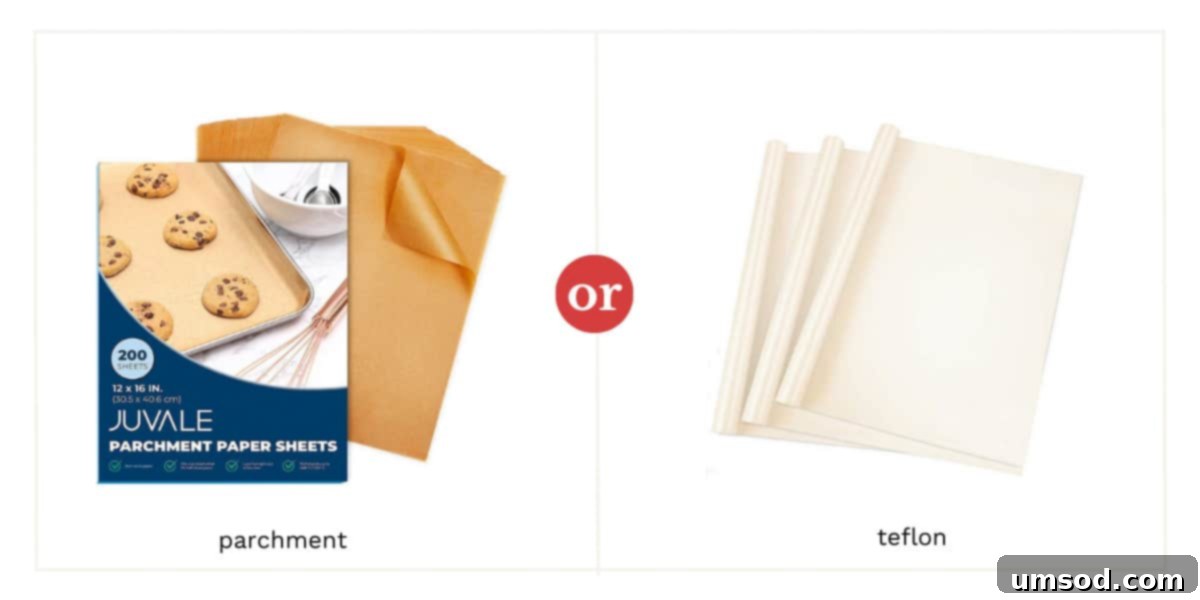
PRODUCT RECOMMENDATION: These parchment paper sheets are my current favorites; they are of excellent quality and I rarely encounter issues with misshaped shells when using them. I also frequently use this Teflon sheet, which comes in a square and can be easily cut to perfectly fit any baking sheet. For silicone options, these thin silicone mats have proven to work significantly better than other, thicker alternatives due to their superior heat transfer capabilities.
What to Avoid
A crucial tip: DO NOT purchase those terrible brown silicone mats that come with macaron molds. They are notorious for poor heat transfer, leading to unevenly baked shells, and the integrated molds often hinder the natural spread of the macaron batter, resulting in inconsistent feet and texture.
9. Oven Thermometer: Your Oven’s Truth-Teller
This might be the most underestimated yet crucial tool for achieving macaron perfection: an oven thermometer. It’s a shocking truth for many home bakers that ovens frequently misrepresent their internal temperature. The temperature displayed on your oven’s dial or digital screen can vary wildly—often by 25-50°F (or even more!) in either direction. This means your oven might be significantly hotter or cooler than you think, leading to disastrous results for delicate pastries like macarons.
For macarons, precise temperature control is paramount. An oven that is too hot can cause rapid rising and cracking, overly browned tops, or hollow shells. Conversely, an oven that is too cool will prevent the macarons from developing proper feet, lead to dense interiors, or result in prolonged baking times that dry them out. The only reliable way to ascertain the accurate internal temperature of your oven and identify any hot spots or fluctuations is by using an inexpensive, standalone oven thermometer.
This small, simple, and affordable tool can save you an immense amount of heartache, wasted ingredients, and frustration. It allows you to adjust your oven’s settings to achieve the true temperature required by your recipe, ensuring consistent baking and dramatically improving your chances of macaron success. It’s truly a game-changer that removes one of the biggest variables in the baking process.
PRODUCT RECOMMENDATION: I’ve personally been using this oven thermometer for over four years, and I can wholeheartedly vouch for its consistent accuracy and unwavering reliability. It’s a small investment that pays huge dividends in successful baking.
Equipping yourself with these essential macaron tools is more than just collecting kitchen gadgets; it’s about setting yourself up for success. Each item plays a specific, vital role in demystifying the macaron-making process, transforming potential frustrations into rewarding achievements. By investing in these tried-and-true tools, you’re not just baking; you’re embarking on a journey towards consistent, beautiful, and delicious French macarons that you’ll be proud to share.
More Macaron Resources:
- French Macaron Recipe for Beginners
- Visual Macaron Troubleshooting Guide
- Macaron 101 Youtube Playlist
- All of my Macaron Recipes