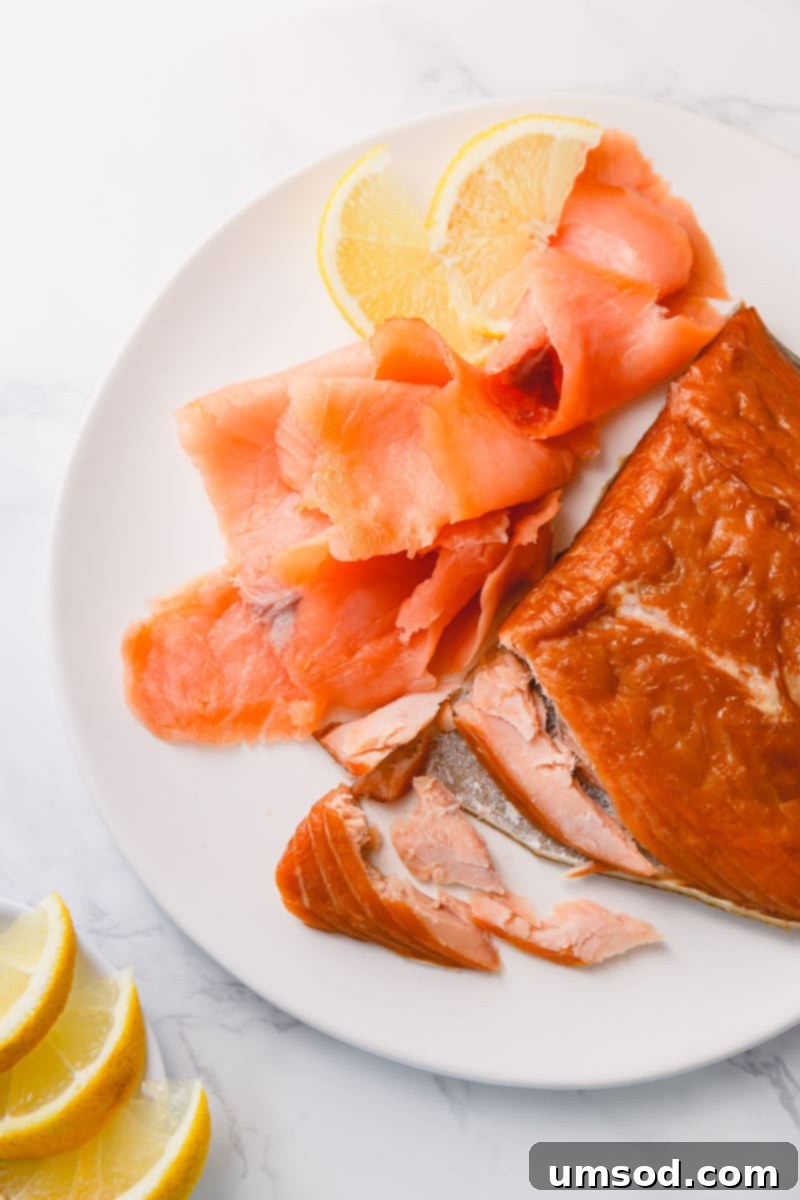
Have you ever pondered why some smoked salmon delights your palate with a melt-in-your-mouth, velvety texture, while others present a distinctly firm and flaky experience? The world of smoked salmon is far more nuanced than many realize, offering a spectrum of flavors, textures, and culinary applications. Join us on an exciting journey to uncover the captivating distinctions between the various types of smoked salmon and discover which one best suits your taste and cooking endeavors.
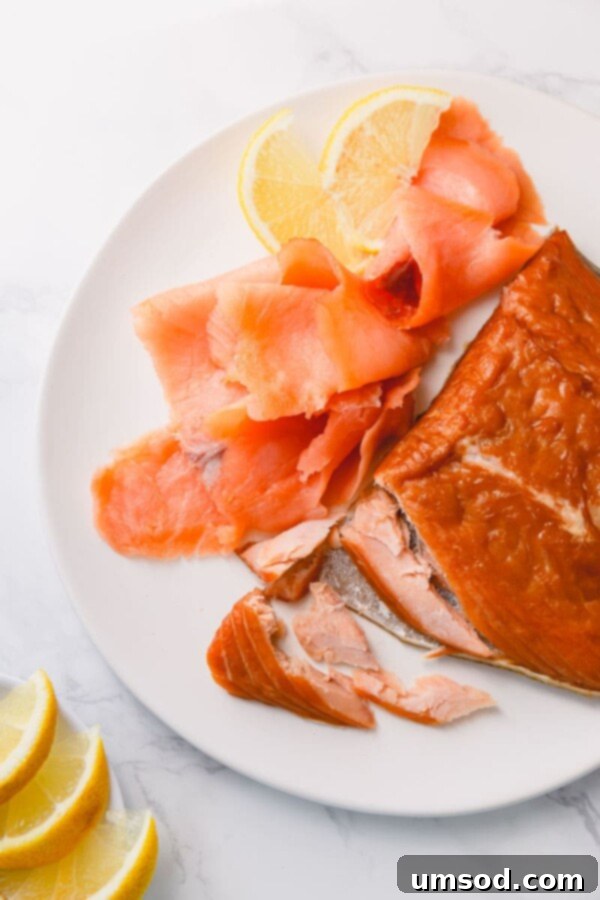
Smoked Salmon Varieties: A Deeper Dive into Culinary Craft
My own personal epiphany about smoked salmon occurred back in 2013 during a work conference in Alaska. Eager to bring home a taste of the local bounty, I purchased several packages of what I assumed was “smoked salmon.” Upon my return, I was genuinely surprised by how different these packages looked and felt compared to the velvety, refrigerated slices I was accustomed to. The texture was firmer, the color more opaque, and the flavor intensely smoky.
This intriguing encounter spurred me to research, and what I discovered unveiled a fascinating truth: there isn’t just one way to smoke salmon. In fact, there are two primary, distinct methods that yield vastly different products: cold-smoked salmon and hot-smoked salmon. Understanding these processes is key to appreciating their unique characteristics and making informed choices for your culinary creations.
The art of smoking fish dates back centuries, originally conceived as a preservation technique long before refrigeration existed. Today, while it still contributes to shelf life, smoking is primarily celebrated for the complex flavors and textures it imparts to the salmon, transforming a simple fillet into a gourmet delight. Let’s explore these methods in detail.
What is Hot Smoked Salmon?
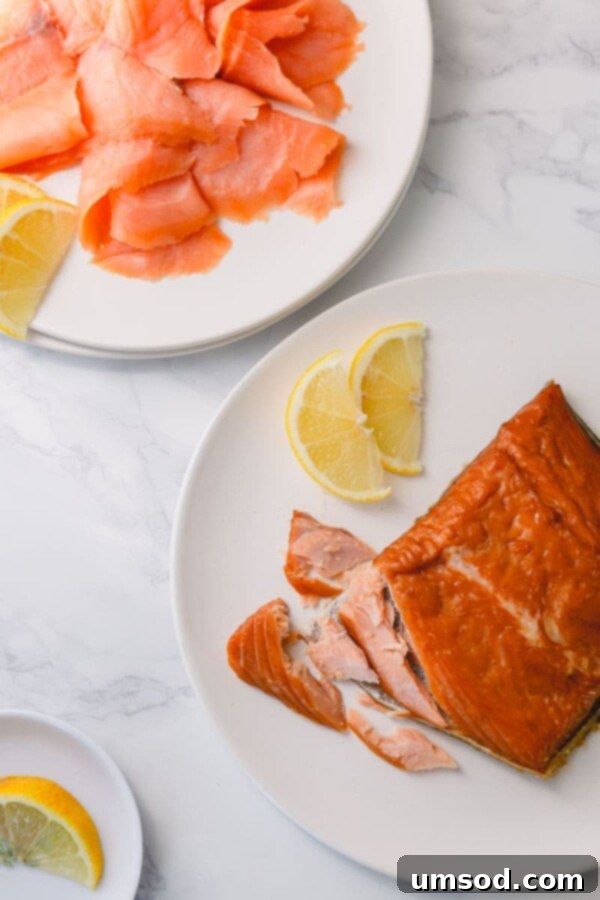
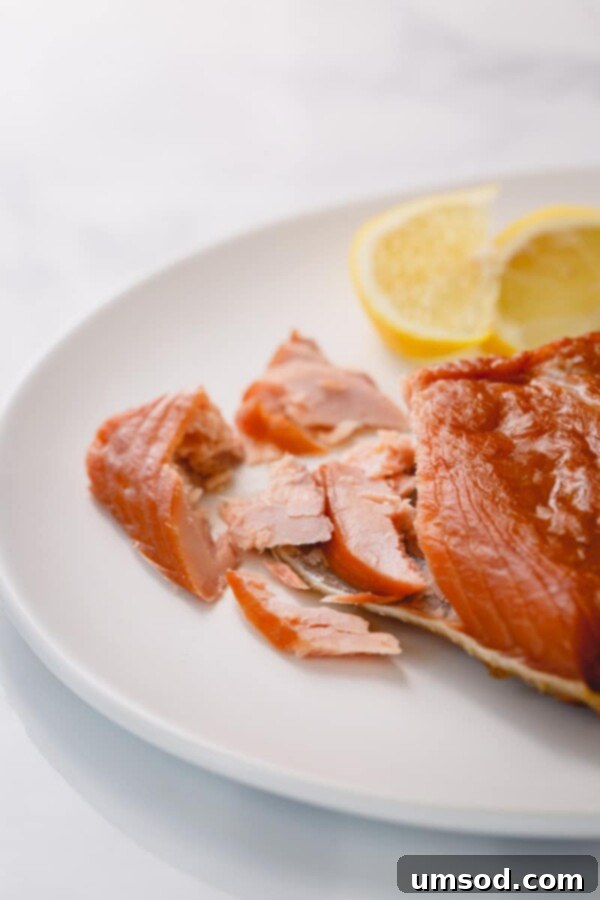
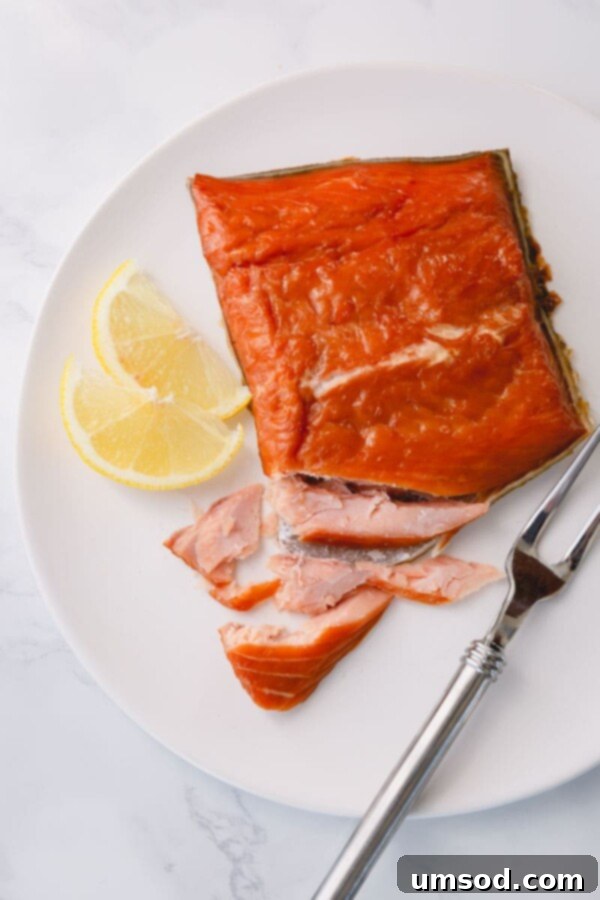
Hot-smoked salmon is characterized by its robust flavor, rich, opaque orange color, and distinctively flaky texture. This method of preparation involves both cooking and smoking the salmon simultaneously, resulting in a product that is fully cooked and ready to eat, much like a baked or grilled fish, but with an added smoky depth.
The process of hot smoking salmon occurs at a higher temperature range, typically between 120-180°F (49-82°C). At these temperatures, the heat slowly cooks the fish while the smoldering wood chips infuse it with a profound smoky aroma and taste. The high heat denatures the proteins, causing the salmon to firm up and separate into large, succulent flakes, making it quite different from its cold-smoked counterpart.
Hot-smoked salmon often has a drier, more meat-like consistency, yet it remains wonderfully moist and tender. Its flavor profile is generally more intense and assertive, with the smoky notes taking center stage. This makes it an incredibly versatile ingredient, perfect for dishes where you want the salmon to be a prominent flavor and texture element.
What is Cold Smoked Salmon?
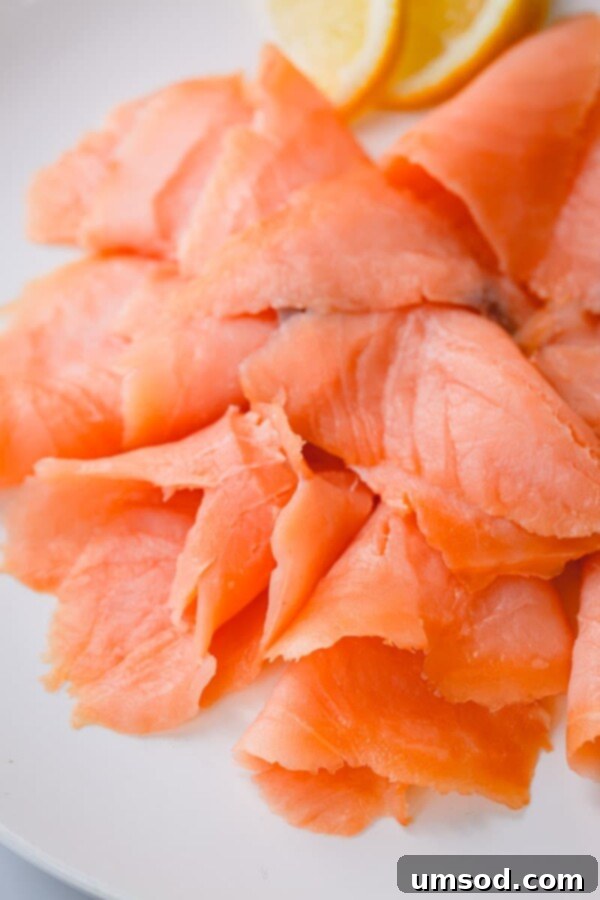
In stark contrast, cold-smoked salmon offers a delicately soft and silky texture, coupled with a translucent pinkish-orange color that often hints at its raw-like state. This method prioritizes infusing the salmon with a subtle smokiness without actually cooking it, preserving its tender, almost buttery consistency.
The cold-smoking method is a two-step process. First, the salmon is thoroughly cured, typically with a salt and sugar brine, sometimes accompanied by herbs and spices. This curing process draws out moisture, firms the flesh, and begins the flavor development. Following the cure, the fish is slowly smoked at much lower temperatures, ranging from 70-90°F (21-32°C). At these low temperatures, the smoke merely imparts flavor without significantly cooking the salmon. The internal temperature of the fish remains below 90°F, ensuring its raw-like texture.
The result is a product that is rich, supple, and has a mild, nuanced smoky flavor that complements rather than overpowers the natural taste of the salmon. Its texture is often described as velvety or silken, making it a luxurious addition to many dishes, particularly those served cold.
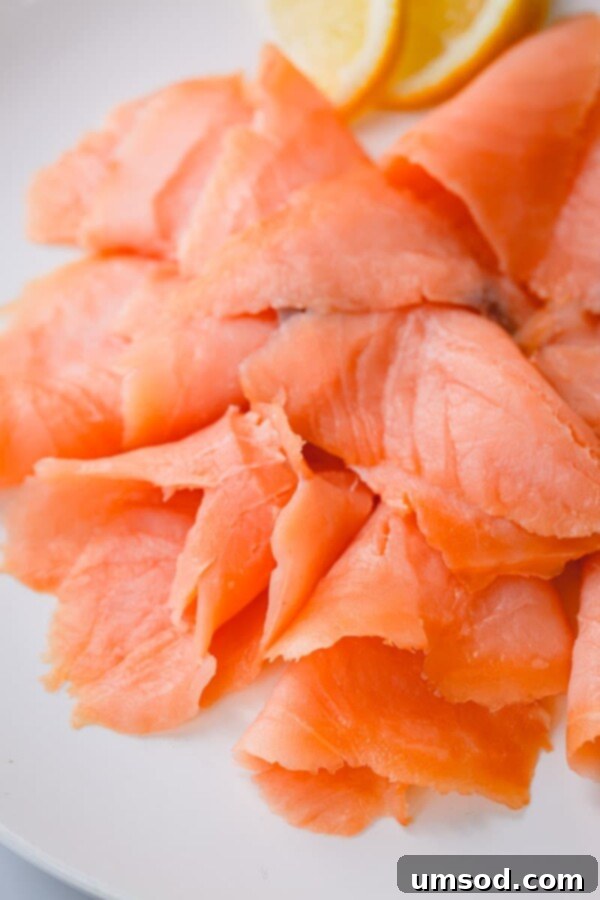
What is Lox? Understanding the Cured Salmon Classic
Often confused with cold-smoked salmon, lox is a distinct cured salmon product that shares some similarities in appearance and culinary application but differs significantly in its preparation. The key distinction is simple: lox is never smoked.
Traditional lox is made by curing salmon fillets in a highly concentrated salt brine for an extended period, typically 24 hours or more, and then refrigerating them. This process, often referred to as gravlax-style curing (though true gravlax includes dill and sugar), draws out moisture and “cooks” the fish through osmosis, resulting in a dense, rich, and intensely salty flavor. It achieves a tender, almost translucent texture much like cold-smoked salmon, but without any smoky notes.
The history of lox is deeply intertwined with Eastern European Jewish cuisine, where it became a staple often served on bagels with cream cheese. Its distinct salty profile and smooth texture make it a beloved classic. While some modern “lox” products might undergo a light cold-smoking process to mimic the flavor profile, authentic lox is purely brined, offering a clean, oceanic taste that perfectly complements tangy cream cheese and fresh ingredients.
How to Store Smoked Salmon for Optimal Freshness and Safety
Proper storage is crucial for maintaining the quality, flavor, and safety of your smoked salmon. Given the different preparation methods, storage recommendations vary significantly between hot-smoked and cold-smoked varieties, as well as lox.
Hot-smoked salmon storage:
Since hot-smoked salmon is fully cooked during its preparation, it has a longer shelf life compared to its cold-smoked counterpart. When purchased in its original, unopened packaging, such as cans or vacuum-sealed pouches, hot-smoked salmon can often be stored safely at room temperature for an extended period, often months, thanks to the cooking process that eliminates bacteria and the airtight seal that prevents contamination. Always check the best-by date on the package.
Once you open a package of hot-smoked salmon, it becomes perishable and must be refrigerated. Transfer any unused portions to an airtight container or re-seal the original package tightly. In the refrigerator, hot-smoked salmon typically remains fresh for up to 1 week. For longer storage, it can be frozen for up to 2-3 months without significant loss of quality, though its texture might become slightly drier upon thawing.
Cold-smoked salmon and lox storage:
Both cold-smoked salmon and lox are considered perishable foods because they are not cooked. They require refrigeration at all times to prevent the growth of harmful bacteria. Always purchase these products from refrigerated sections of stores.
When unopened and kept in its original vacuum-sealed package, cold-smoked salmon or lox can last for several weeks in the refrigerator; always adhere to the expiration date printed on the packaging. Once the package is opened, however, its shelf life dramatically shortens. You should consume opened cold-smoked salmon or lox within no more than 1 week when stored in the refrigerator. To maximize freshness, re-wrap any unused portions tightly in plastic wrap or foil, or place them in an airtight container.
Freezing is also an option for cold-smoked salmon and lox to extend their life up to 2-3 months. For best results, freeze it in its original unopened vacuum-sealed package or wrap it tightly to prevent freezer burn. Thaw slowly in the refrigerator overnight before use to preserve its delicate texture.
How to Use Smoked Salmon: Culinary Applications for Every Palate
Both varieties of smoked salmon are incredibly versatile and can be enjoyed straight out of their packaging, offering a quick and luxurious snack. However, their distinct textures and flavor profiles make them better suited for different culinary applications.
Typically, hot-smoked salmon excels in cooked dishes and applications where its robust flavor and flakey texture can truly shine. Because it’s already cooked and firm, it stands up exceptionally well to heat, retaining its structure and lending a wonderful smoky depth to hot preparations. Imagine flaking it into creamy pasta dishes, adding it to scrambled eggs for a gourmet breakfast, incorporating it into quiches or frittatas, or mixing it into a hearty potato salad. Its rich, almost meaty consistency also makes it fantastic in sandwiches, wraps, or even simply warmed through and served with a fresh lemon wedge and some roasted vegetables.
In contrast, cold-smoked salmon is ideally consumed cold, where its delicate, silky texture and nuanced flavor can be fully appreciated. Heating cold-smoked salmon can drastically alter its desirable qualities, turning its velvety smoothness into a tougher, less appealing texture. It’s best enjoyed in preparations that celebrate its raw-like quality, such as draped over bagels with cream cheese, arranged on elegant canapés, served with blinis and crème fraîche, or as a sophisticated addition to salads. Its tender slices are perfect for appetizers, sushi rolls, or simply paired with capers, red onion, and a squeeze of lemon on crusty bread.
Chef’s Tip
Due to its delicate nature, cold-smoked salmon tends to lose its characteristic velvety texture and can become tough when exposed to heat. Always add cold-smoked salmon to dishes after the cooking process, or serve it entirely cold, to preserve its exquisite mouthfeel.
My Favorite Recipes Featuring Smoked Salmon
Whether you prefer the robust flakes of hot-smoked salmon or the silken slices of cold-smoked, there’s a delicious recipe waiting for you. Here are some of my go-to preparations that highlight the best of both worlds:
- Smoked Salmon Quiche: A delightful savory tart, best made with flakey hot-smoked salmon for a rich, hearty meal.
- Versatile Smoked Salmon Crostini Bar: A perfect self-serve brunch or appetizer, ideal for showcasing elegant cold-smoked salmon.
- Smoked Salmon Cucumber Bites: An effortlessly impressive and refreshing appetizer, perfect with delicate cold-smoked salmon.
- Smoked Salmon Cottage Cheese Bites: An interesting and light appetizer idea that pairs well with either type of smoked salmon.
- Colorful Smoked Salmon Stuffed Sweet Peppers: A bright and vibrant appetizer that gains depth from hot-smoked salmon.
- Smoked Salmon Fettuccini Alfredo: A quick and easy weeknight pasta dish, where hot-smoked salmon adds a comforting smoky flavor.
- Smoked Salmon Deviled Eggs: A delicious twist on a classic appetizer, enhanced by the savory notes of either hot or cold smoked salmon.
- Dill Crepes with Smoked Salmon: An impressive brunch idea for any celebration, ideally prepared with tender cold-smoked salmon.
Can I Make Smoked Salmon at Home? Absolutely!
For adventurous home cooks, the answer is a resounding yes! Making smoked salmon at home can be an incredibly rewarding experience, especially if you have access to fresh, high-quality salmon fillets. Not only does it allow you to control the ingredients and smoking intensity, but it also offers the profound satisfaction of crafting a gourmet product from scratch.
While the process requires a bit of patience and some basic equipment (like a smoker for hot or cold smoking, or simply a brining container for lox), the results are often superior to store-bought options. Homemade smoked salmon allows for personalized seasoning, from classic dill and black pepper to more exotic spices, tailored precisely to your preferences. It’s a fantastic way to impress guests or simply elevate your everyday meals.
Here are some excellent tutorials to guide you through the process, whether you’re aiming for a perfectly flaky hot-smoked fillet or a delicate, silky cold-smoked delight:
- Cold Smoked Salmon by Hey Grill Hey: A detailed guide for achieving that perfect silky texture.
- Hot Smoked Salmon by House of Nash Eats: Learn how to create robust, flakey hot-smoked salmon.
- Lox Recipe by Let the Baking Begin: Discover how to make authentic cured lox without the need for a smoker.
Embrace the challenge and the delicious rewards of homemade smoked salmon!