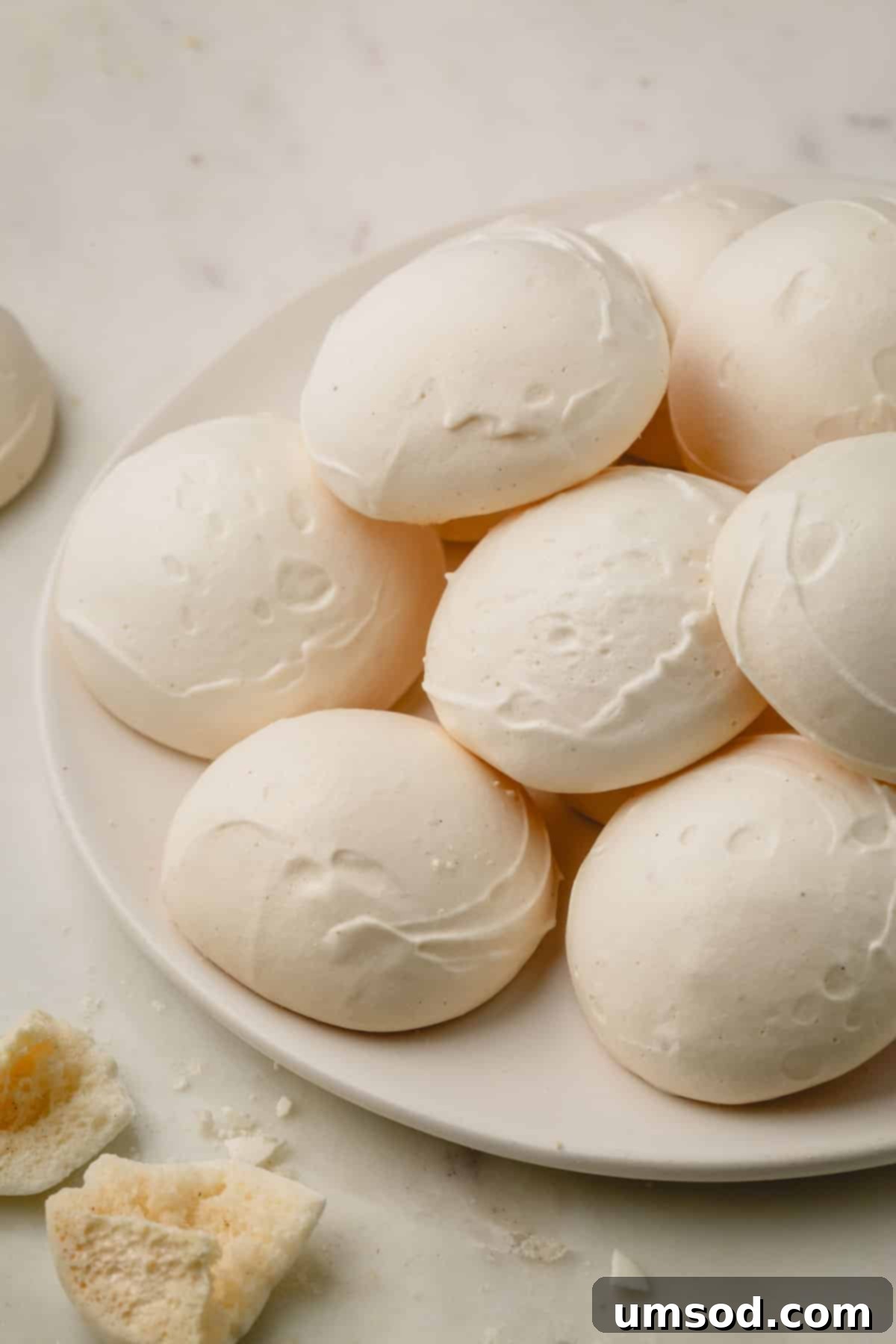
Embark on a delightful culinary journey to master the art of vegan meringue! This comprehensive guide reveals two highly effective methods for crafting exquisite, airy, and sweet meringues using the humble chickpea. Prepare to unlock all the tips, tricks, and scientific insights needed to guarantee your success in creating perfect plant-based meringues every single time.
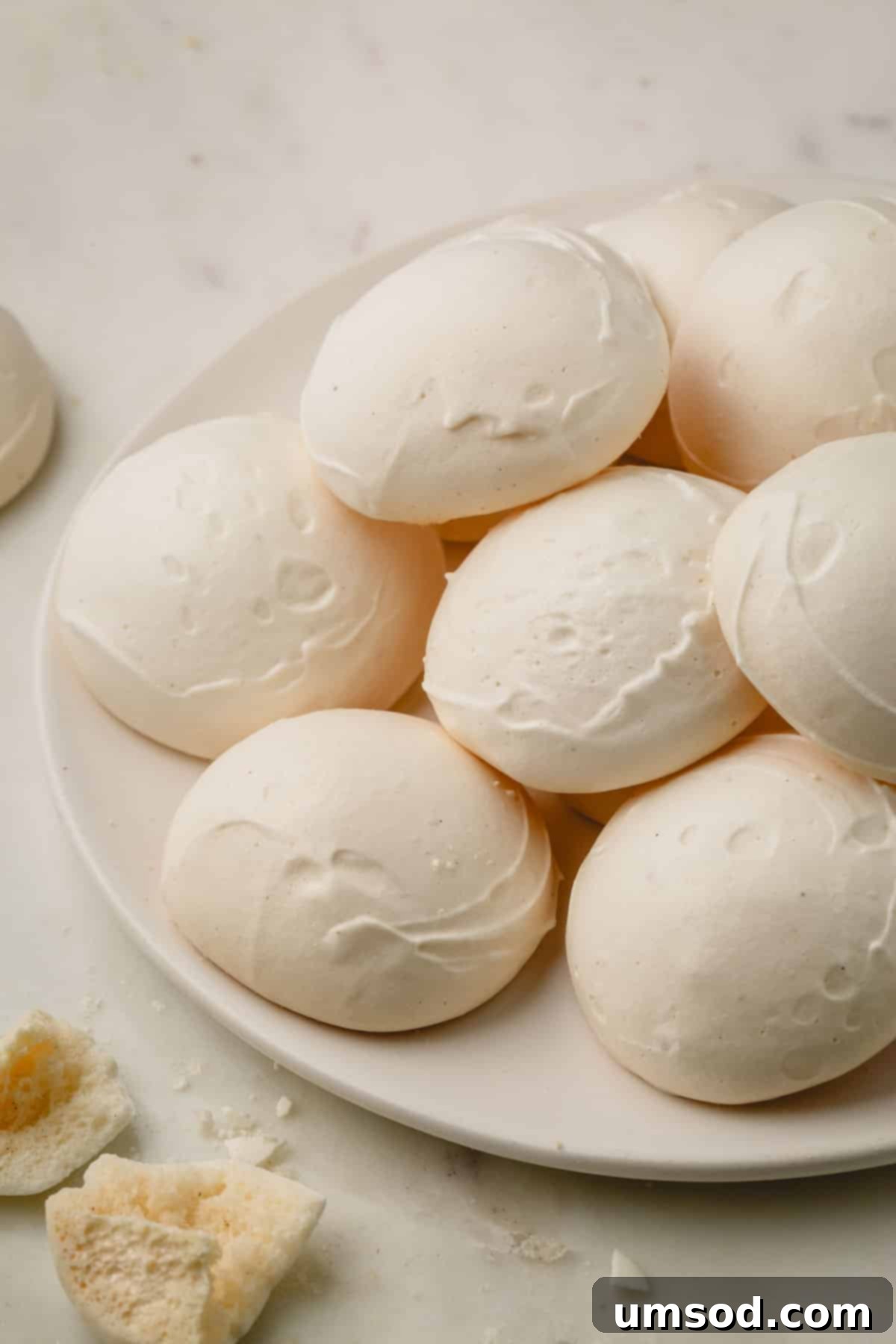
Save this incredible recipe for later!
Pin It
Creating vegan meringue has evolved significantly over the years, with various innovative approaches emerging to replace traditional egg whites. While some bakers experiment with ingredients like potato protein or specialized aquafaba powder, the most widely adopted and accessible method involves using the liquid from canned chickpeas, known as aquafaba. After extensive experimentation with both dry aquafaba powder and the liquid from canned chickpeas, we’ve gained invaluable insights and refined our techniques. This experience has culminated in a foolproof guide, allowing us to confidently share a simple, yet remarkably effective, vegan meringue recipe that promises consistent, impressive results for every home baker.
Why You’ll Adore This Vegan Meringue Recipe
The transformation of humble chickpea liquid into fluffy, stable meringue truly feels like magic! It’s astonishing to consider the ingenuity of the first person who discovered aquafaba’s remarkable whipping properties. This recipe captures that same sense of wonder, offering a delightful experience and an exquisite treat. Here’s why this vegan meringue will become your new favorite:
- Effortless Simplicity – Forget complex ingredients or intricate steps. You’ll only need four readily available, basic ingredients to achieve spectacular results. This recipe is designed for ease, making it perfect for both novice and experienced bakers alike.
- Exceptional Flavor & Texture – The outcome is a collection of delicate, sweet meringue bites that boast an incredibly light and airy texture. They melt in your mouth, delivering a satisfying sweetness that stands shoulder-to-shoulder with traditional meringue, proving that plant-based doesn’t mean compromising on taste.
- Inclusive Dietary Needs – Unlike conventional meringue, which relies on egg whites, this recipe is entirely vegan and naturally gluten-free. This makes it an outstanding choice for catering to diverse dietary requirements and ensuring everyone can enjoy a delicious dessert, whether you’re serving a small gathering or a large crowd.
- Unmatched Versatility – These meringues are not just delicious on their own; they are also incredibly versatile. Use them as a topping for pies, a delicate addition to trifles, or simply enjoy them as a light, guilt-free snack. Their delicate structure and sweet flavor complement a wide array of desserts.
- Budget-Friendly – Utilizing a byproduct (aquafaba) that is often discarded makes this recipe incredibly economical. You get to create an impressive dessert from ingredients that are generally affordable, adding value and minimizing waste in your kitchen.
With our expert tips and detailed instructions, you’ll swiftly gain the confidence to whip up stunning vegan meringues like a seasoned professional, impressing everyone with your plant-based baking prowess!
A Crucial Baking Insight: Heat Sensitivity
Years of meticulous experimentation and rigorous testing have revealed a critical characteristic of aquafaba meringue: its sensitivity to heat. To achieve the perfect crispness and stability, it’s imperative to bake aquafaba meringue at a significantly lower temperature compared to its traditional egg-white counterpart. This gentle baking process allows the meringues to dry out slowly, preventing cracks and ensuring a beautifully delicate structure.
Essential Ingredients for Perfect Vegan Meringue
Each ingredient in this recipe plays a vital role in transforming simple chickpea liquid into spectacular vegan meringue. Understanding their functions will help you achieve consistent and impressive results:
- Aquafaba – The star of our show! You have the flexibility to use either high-quality dry aquafaba powder or the liquid directly from canned chickpeas. Both options yield fantastic results. If opting for canned aquafaba, remember that a standard 15-ounce (425g) can of chickpeas typically provides approximately 225ml (just under one cup) of liquid. For optimal meringue stability and volume, it’s highly recommended to reduce this liquid by half, concentrating it to about 110ml. This process intensifies the proteins and starches, making it whip much more effectively.
- Granulated Sugar – This is not merely a sweetener; granulated sugar is fundamental for the structure and stability of your meringue. It dissolves into the aquafaba, creating a syrup that prevents the whipped proteins from collapsing, resulting in a firm, glossy, and stable foam. We strongly advise against substituting other types of sugar, as their different crystal structures can impact the meringue’s texture and ability to stabilize properly.
- Cream of Tartar – A powerhouse stabilizer. Cream of tartar, an acidic salt, is indispensable for aquafaba meringue. It helps to denature and loosen the proteins in the aquafaba, allowing them to foam better and form stronger, more resilient bonds. This results in finer, more stable bubbles, significantly improves the meringue’s volume, and contributes to that desirable smooth, glossy finish that defines a perfect meringue.
- Salt – A tiny but mighty addition. A mere pinch of salt works wonders by balancing the intense sweetness of the sugar and enhancing the overall flavor profile of the meringue. It rounds out the taste, preventing it from being cloyingly sweet and adding a subtle depth that makes each bite more enjoyable.
Understanding Aquafaba: The Vegan Egg Replacer
Aquafaba, a portmanteau of the Latin words for “water” and “bean,” is the viscous liquid found in cooked beans, most commonly referring to the brine from chickpeas. Historically, this liquid was often discarded, but thanks to innovative vegan chefs and bakers, it has gained recognition as an extraordinary, versatile substitute for eggs and dairy in a multitude of plant-based recipes. Its unique composition of proteins and starches mimics the emulsifying, binding, and aerating properties of egg whites.
When exploring recipes, you’ll typically encounter two primary forms of aquafaba: dry aquafaba powder and canned chickpea aquafaba. While both are effective for this recipe, canned aquafaba is generally more accessible and convenient for most home cooks, directly available from your pantry. However, each form offers distinct advantages and characteristics that can influence your baking process and the final product.
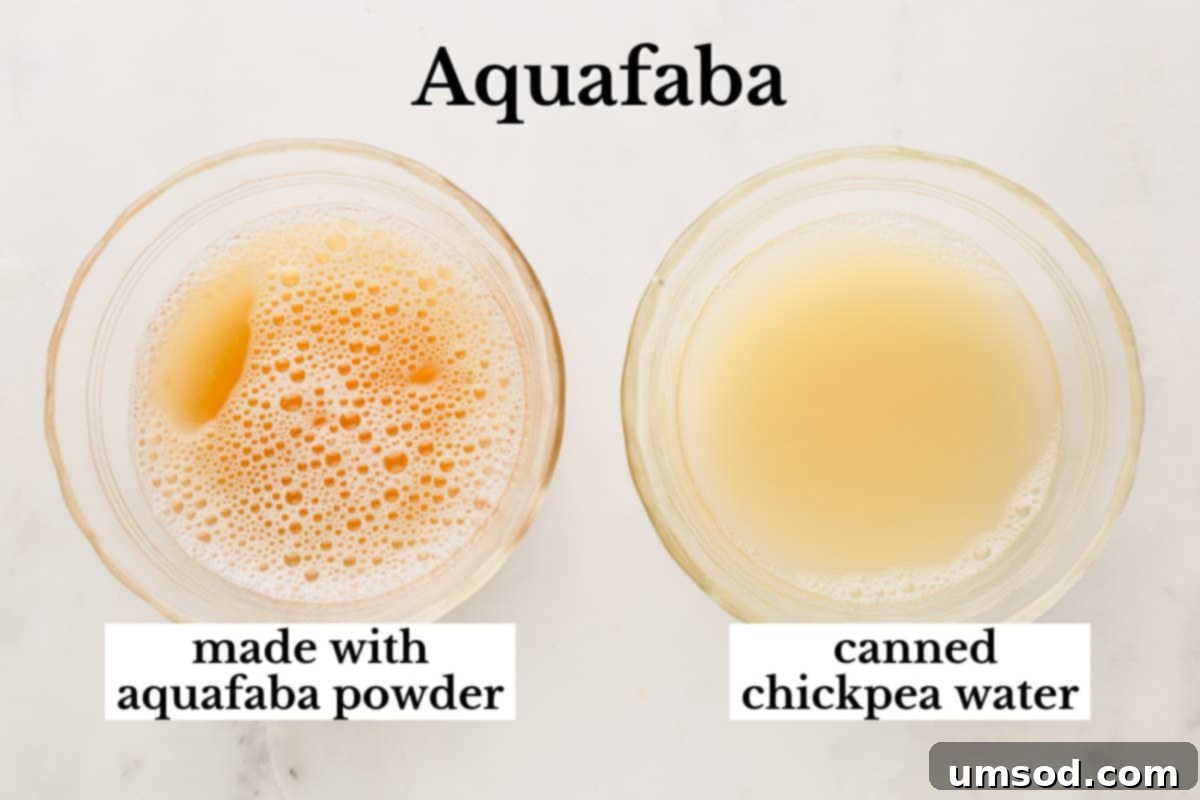
Fascinating Insight: The first time you encounter aquafaba, its aroma might surprise you, often carrying notes reminiscent of miso or a subtle broth. This earthy scent is completely normal and dissipates entirely once whipped and baked into meringue, leaving behind only sweet, delicate flavors.
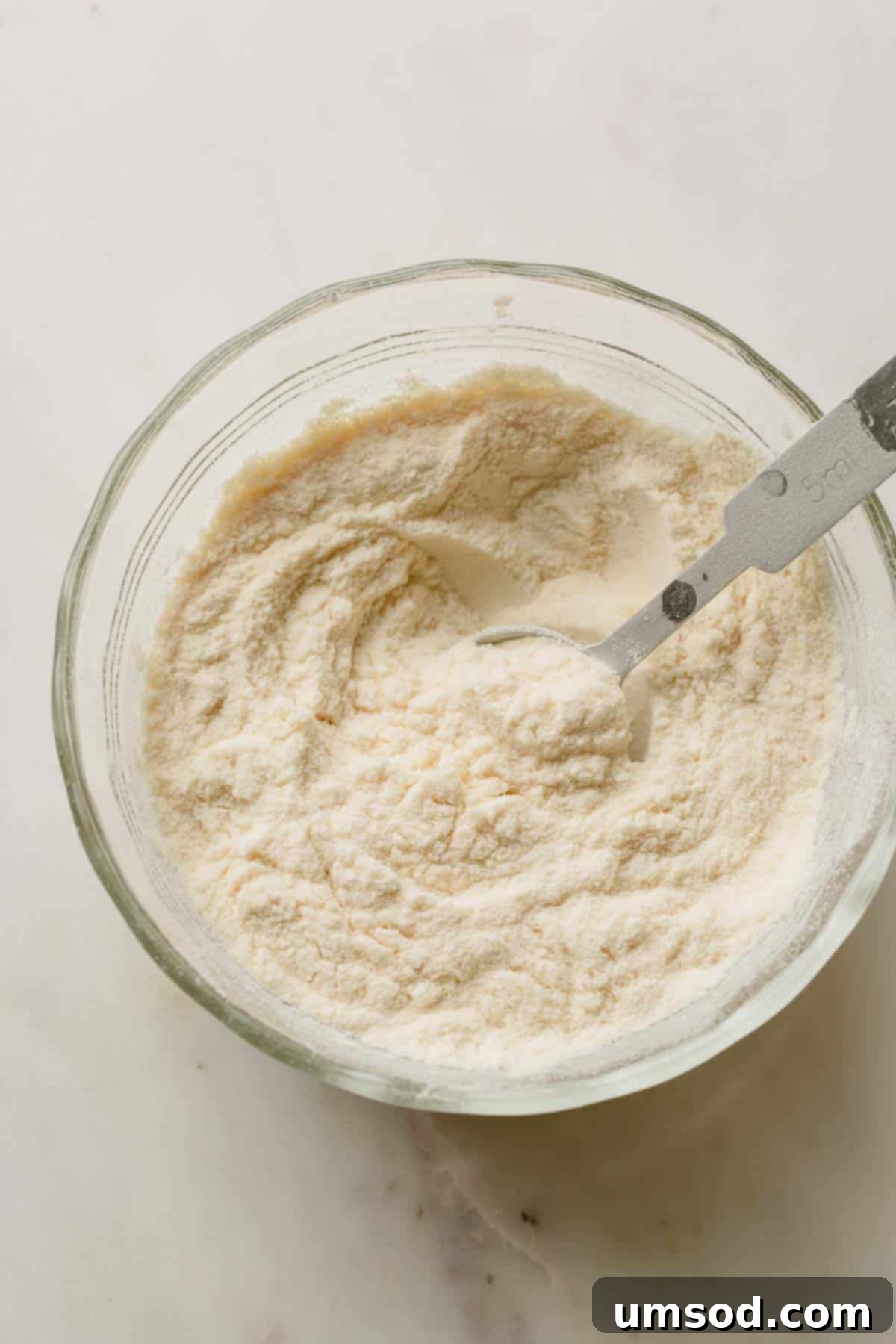
Dry Aquafaba Powder
Dry aquafaba, often available as aquafaba powder, is the dehydrated version of the liquid derived from cooked chickpeas. This concentrated form is created by meticulously soaking and cooking dried chickpeas, then carefully separating and drying the resultant liquid into a fine powder. Its primary advantage lies in its convenience for storage and precise measurement, as it can be rehydrated on demand. However, dry aquafaba tends to possess a slightly more pronounced bean flavor compared to its canned counterpart, though this taste largely disappears after whipping and baking.
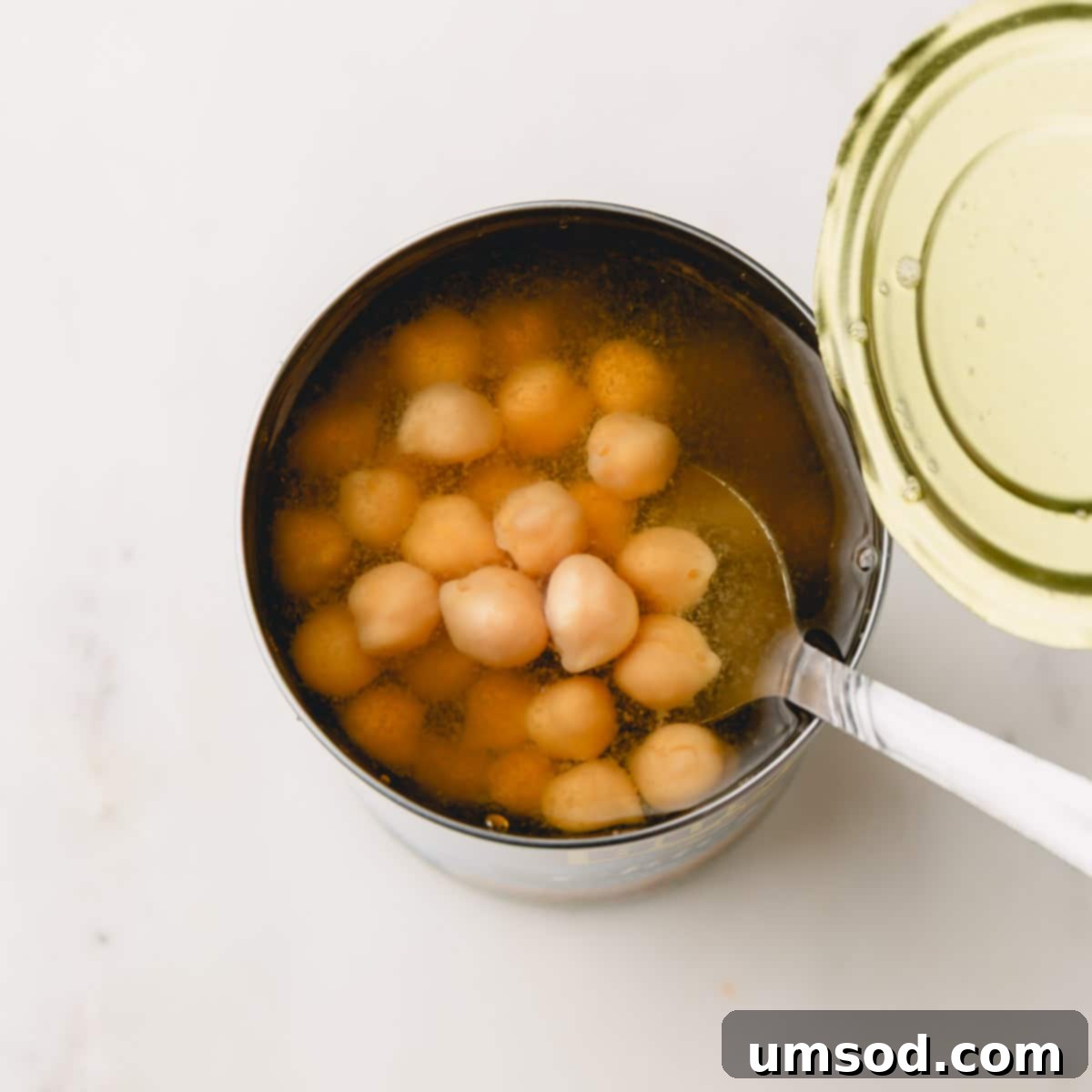
Canned Chickpea Aquafaba
This is arguably the most common and accessible form of aquafaba, found in every can of cooked chickpeas or garbanzo beans. To use it, simply drain the beans, and the liquid is ready for action. While it can be used directly, for a more robust and stable meringue, we recommend an extra step: reducing the liquid by half. This concentration process significantly enhances the protein and starch content, making the aquafaba much more effective at whipping into stiff peaks and creating a more stable meringue structure. Canned aquafaba generally has a milder bean flavor, but it can sometimes be saltier than the dried varieties, so adjust your added salt accordingly.
Step-by-Step Guide: How to Make Vegan Meringue
This highly versatile vegan meringue recipe has been rigorously tested and perfected using both dry aquafaba powder and liquid from canned chickpeas. Both methods consistently deliver excellent results, so choose the one that best suits your convenience. Follow these detailed steps for guaranteed success:
Before you begin, ensure your oven is preheated to a low 200°F (94°C). Prepare two standard baking sheets by lining them generously with parchment paper. This non-stick surface is crucial for preventing your delicate meringues from sticking.
1. Prepare Your Aquafaba Base
Method #1: Using Dry Aquafaba Powder
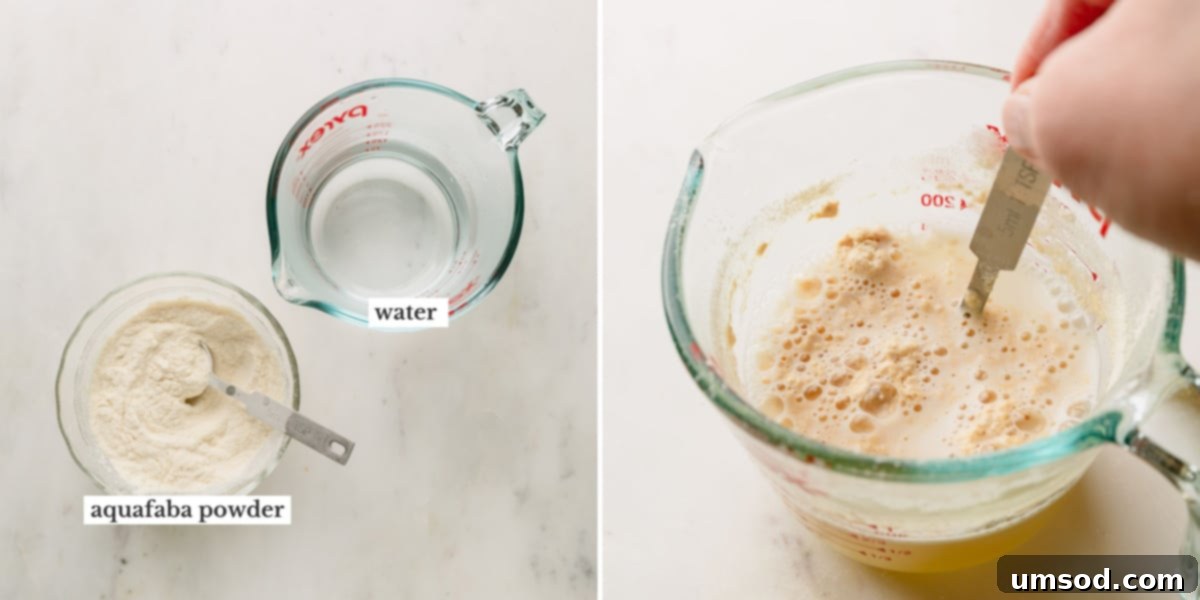
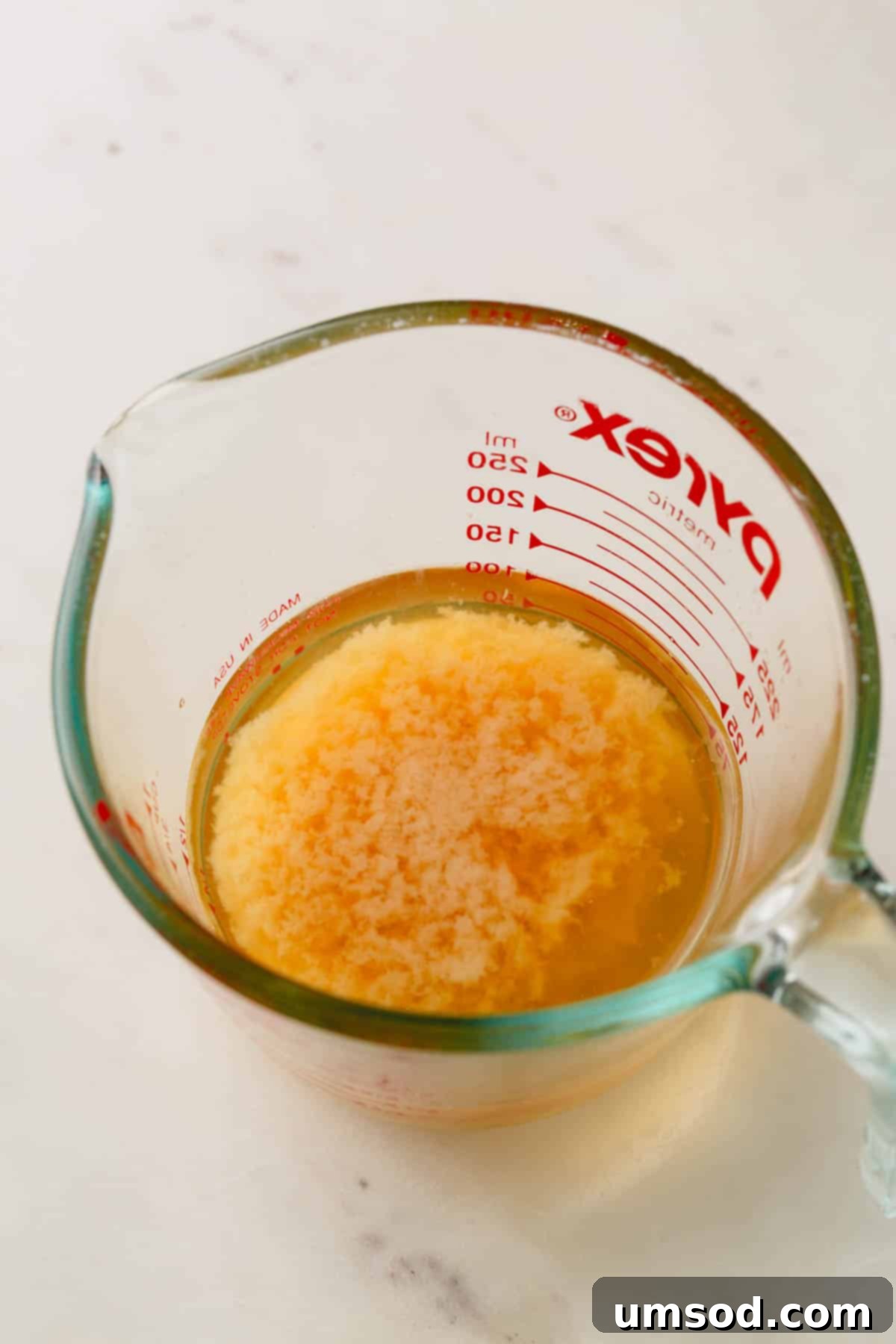
- Rehydrate: In a small, clean bowl, combine the measured aquafaba powder with room-temperature water. Whisk these ingredients together thoroughly until the mixture is completely smooth and free of lumps.
- Dissolve: Allow the rehydrated aquafaba to sit undisturbed for 5-10 minutes. This crucial resting period ensures that the powder fully dissolves and the proteins are adequately hydrated, which is essential for proper whipping.
Precision in Measurement: Dry Aquafaba
When working with aquafaba powder, precision is key. While 1 tablespoon of aquafaba powder approximately equals 1 gram, this powder is incredibly light and prone to static cling, making accurate measurement challenging with standard kitchen scales. For the most precise results, especially if you’re aiming for perfection, consider using a specialized digital scale that offers 0.01g precision. This ensures your aquafaba base has the ideal consistency for whipping.
Method #2: Using Canned Chickpea Aquafaba
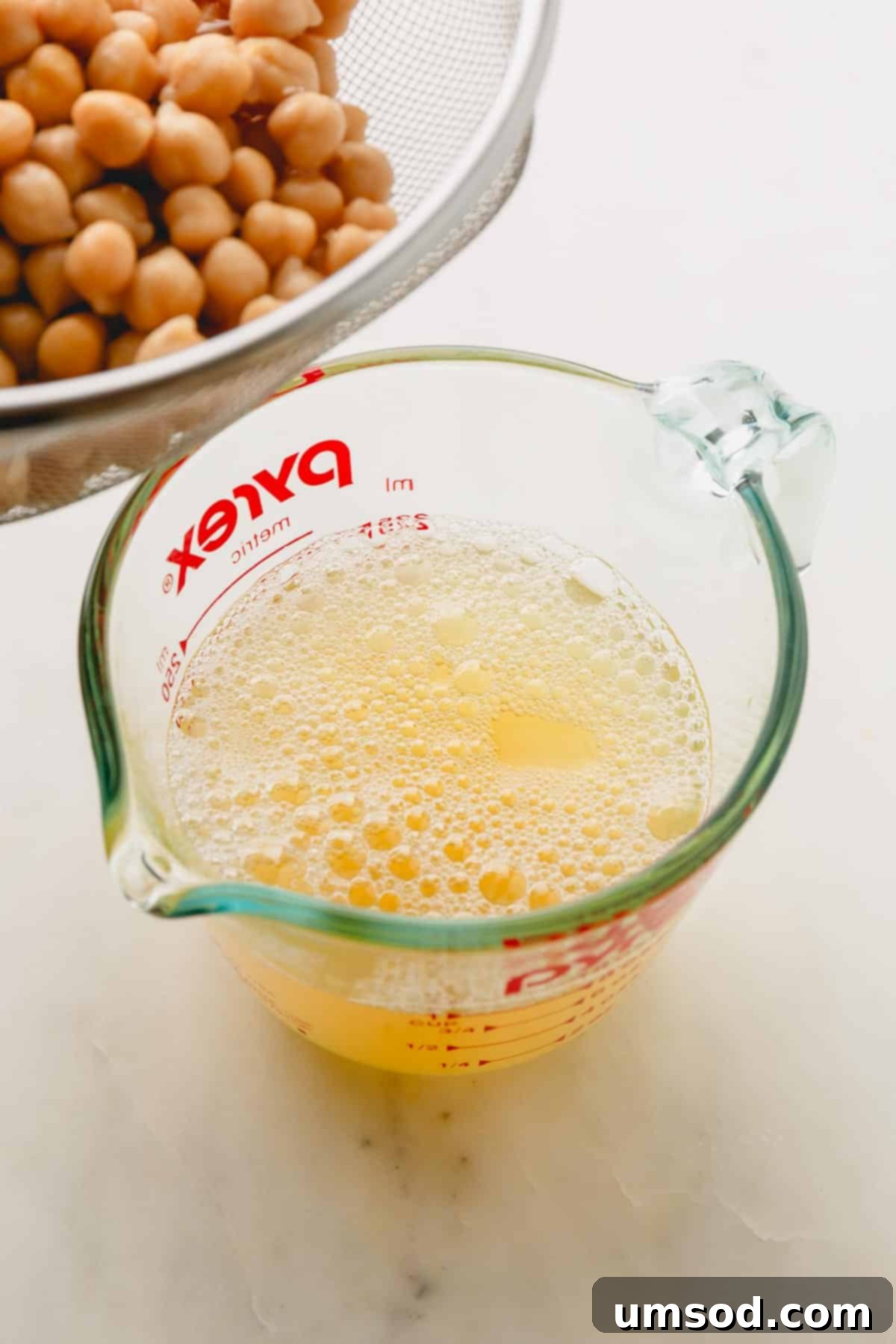
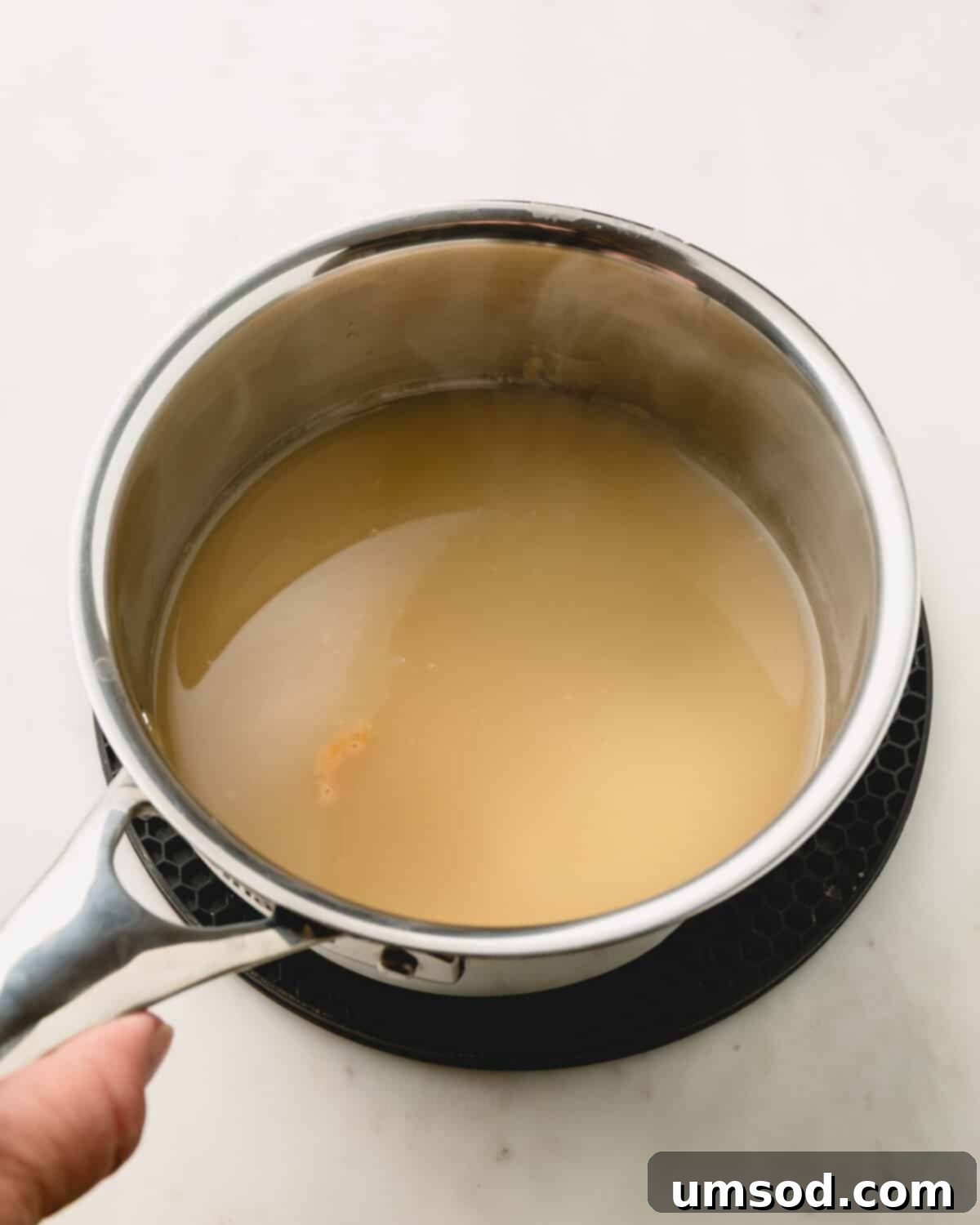
- Drain: Carefully drain the liquid from a can of chickpeas into a small saucepan. Make sure to separate the liquid completely from the solid chickpeas.
- Simmer & Reduce: Place the saucepan over medium heat and bring the aquafaba to a gentle simmer. Allow it to simmer for approximately 20-25 minutes, or until the liquid has visibly reduced by half. This crucial step concentrates the proteins and starches, enhancing its whipping capabilities significantly.
- Cool Completely: Once reduced, remove the saucepan from the heat and set it aside. It is absolutely vital that the concentrated aquafaba cools down completely to room temperature before proceeding to the whipping stage. Warm aquafaba will not whip properly and can lead to a runny, unstable meringue.
2. Whip Your Aquafaba into Stiff Peaks
- Measure Accurately: Carefully weigh out 100g of your prepared aquafaba (whether rehydrated dry aquafaba or cooled, reduced canned aquafaba). Precision here contributes significantly to the meringue’s stability.
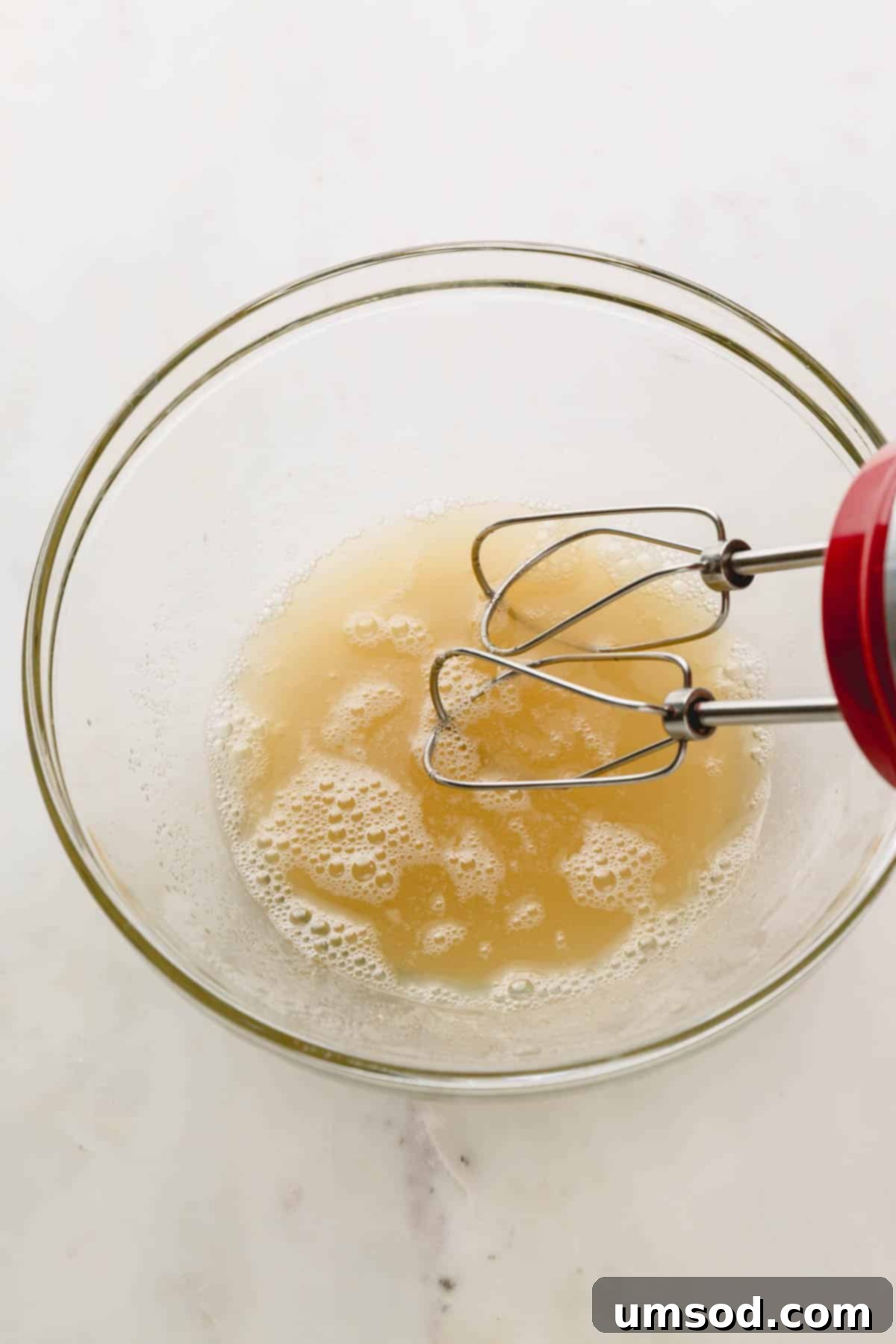
- Combine Ingredients: Transfer the measured aquafaba to an impeccably clean mixing bowl. Add the granulated sugar, cream of tartar, and salt. Ensure your bowl and whisk attachment are free from any grease or oil residue, as even a tiny amount can prevent the aquafaba from whipping properly.
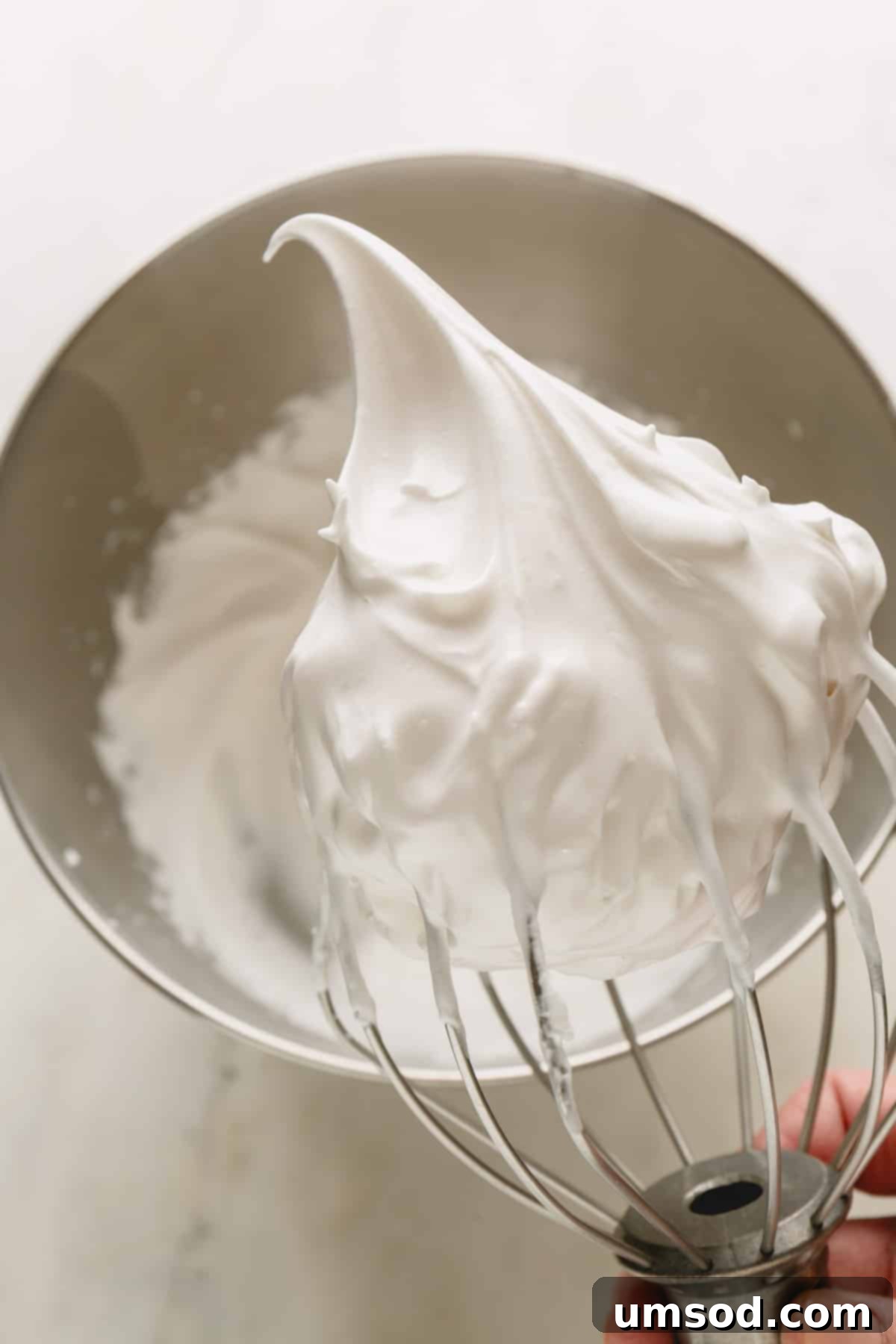
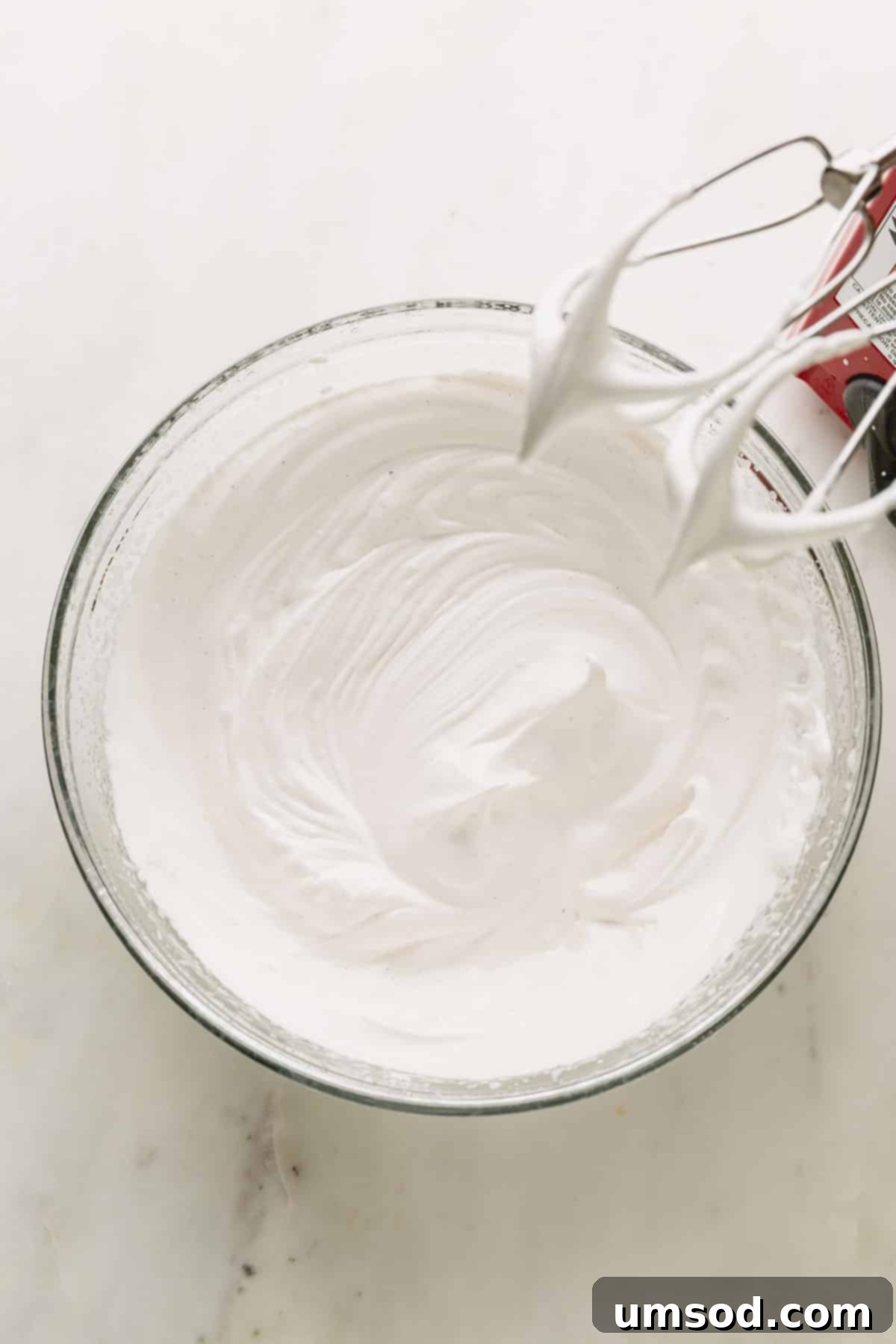
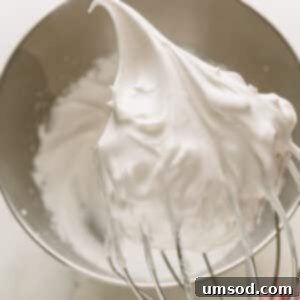
- Beat to Perfection: Using an electric hand mixer or a stand mixer fitted with a whisk attachment, begin beating the mixture on medium-high speed. Continue to beat steadily and patiently until very stiff, glossy peaks form. This stage is crucial and typically takes about 15 minutes, sometimes longer, depending on your mixer and the aquafaba’s concentration. The meringue should hold its shape firmly when the whisk is lifted, with the peaks standing tall and unbending.
3. Shape and Gently Bake Your Meringues
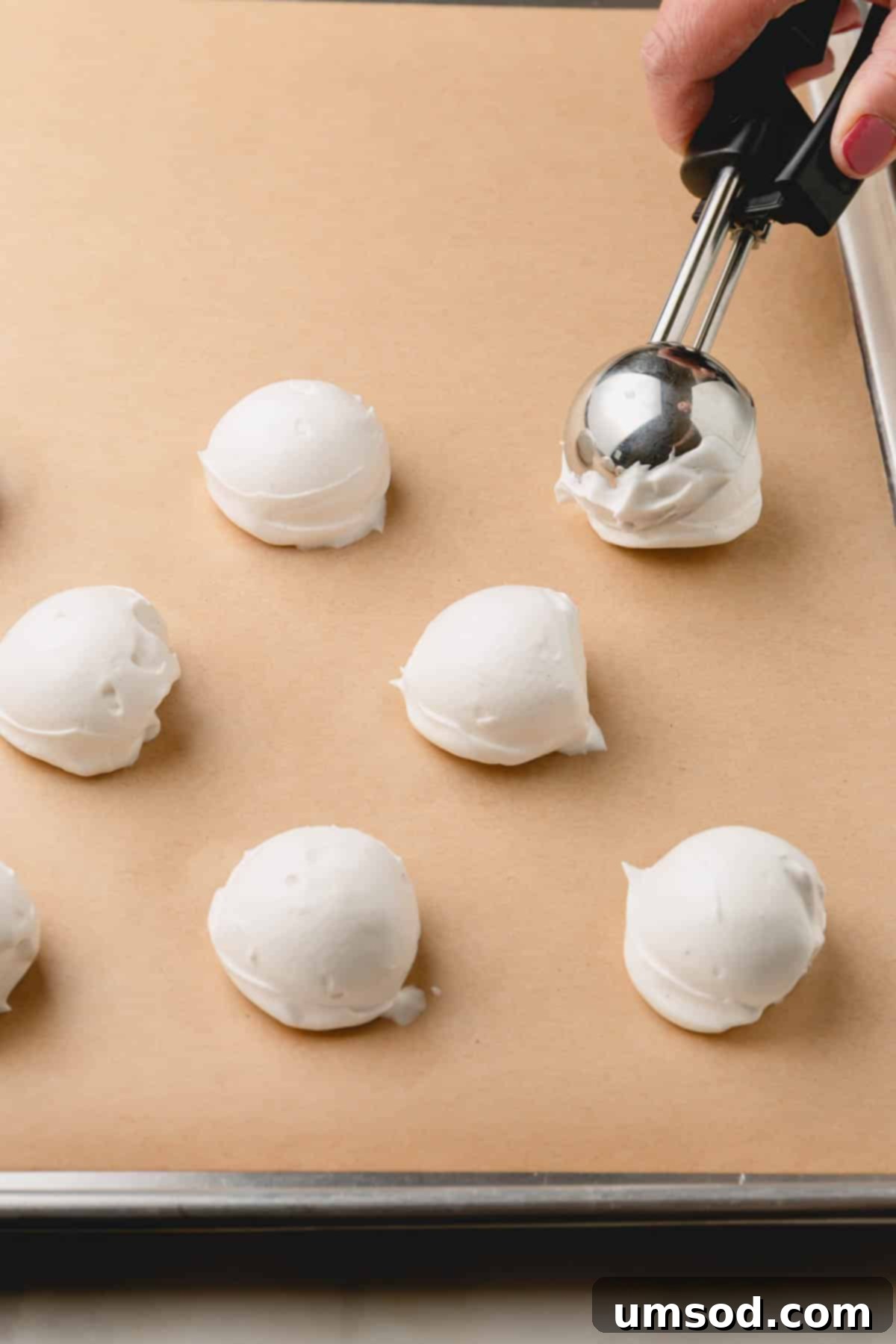
- Form Dollops: Using a spoon or a piping bag, scoop or pipe dollops of the whipped meringue onto the prepared baking sheets. Aim for dollops approximately ¼ cup in size, leaving ample space between each to prevent them from merging during baking.
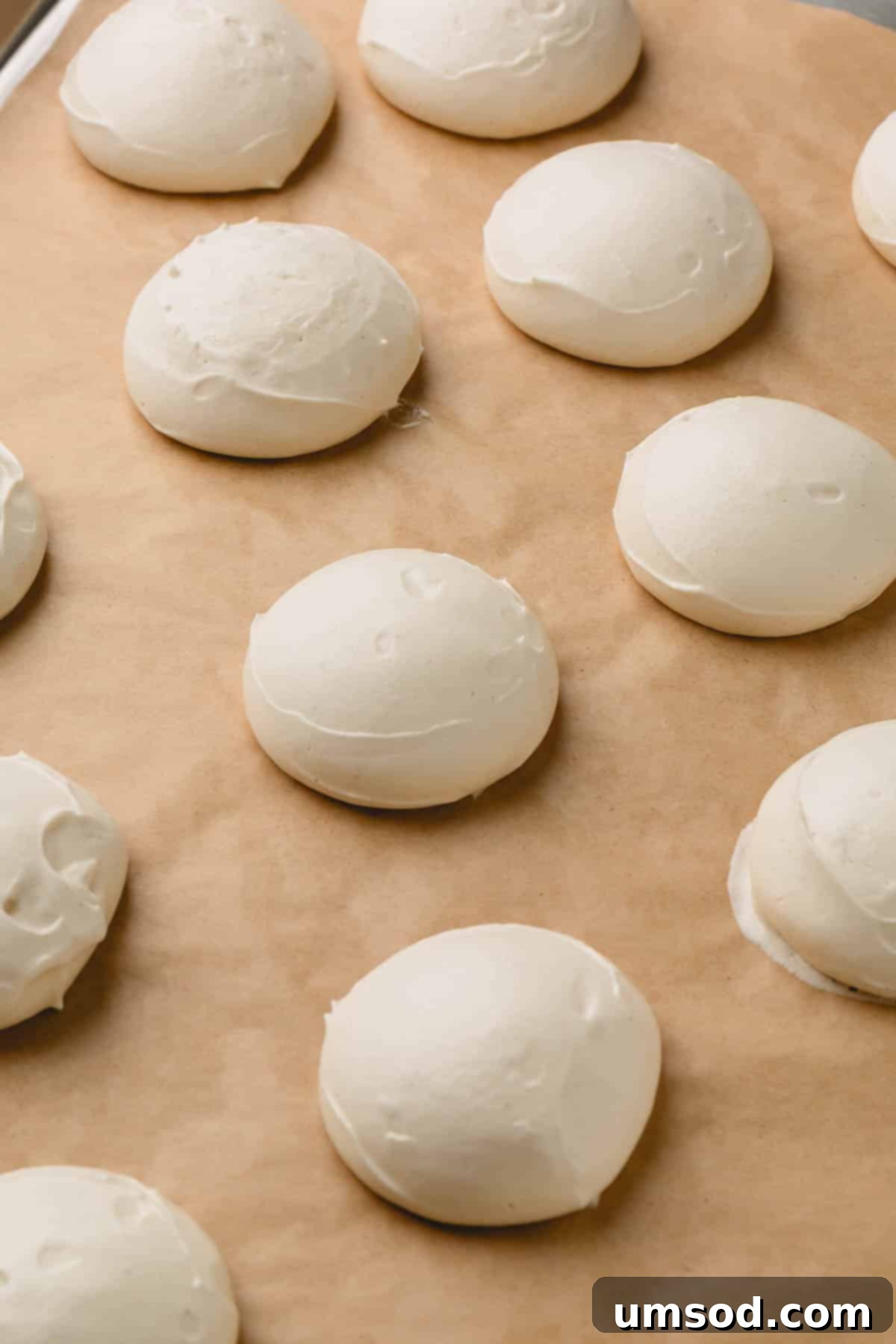
- Bake Slowly: Carefully transfer the baking sheets to your preheated 200°F (94°C) oven. Bake for a full 1 hour. The low temperature is crucial here; it allows the meringues to dry out slowly and evenly, ensuring they become crisp without browning or cracking.
- Cool in Oven: After 1 hour, turn off the oven completely. Immediately prop the oven door ajar using a wooden spoon or a heatproof utensil. Leave the meringues to cool completely inside the oven for at least another 1-2 hours, or even overnight. This gradual cooling process prevents thermal shock, which can cause the meringues to crack or become chewy instead of crisp.
- Enjoy!: Once thoroughly cooled, your delightful vegan meringues are ready to be savored!
Essential Tips for Vegan Meringue Perfection
Achieving flawless vegan meringue can be incredibly rewarding. Follow these expert tips to ensure your meringues turn out light, crisp, and beautiful every time:
- Maintain Low Heat: As previously emphasized, aquafaba meringue is exceptionally sensitive to high temperatures. Baking at a very low temperature (around 200°F or 94°C) is paramount. This allows the meringues to dry out slowly and completely, preventing them from browning too quickly, cracking, or becoming soft and chewy in the center.
- Room Temperature for Dry Aquafaba: When rehydrating dry aquafaba powder, always use water at room temperature. Cold water can hinder the powder from dissolving fully, potentially leading to a grainy meringue or an unstable foam.
- Monitor Salt Content: If you are using canned chickpeas, opt for an unsalted variety if possible. Canned aquafaba can sometimes be quite salty, which might affect the final taste of your meringue. If using salted canned chickpea water, consider omitting or significantly reducing the added salt in the recipe to maintain a balanced flavor profile.
- The Power of Reduction: Reducing canned chickpea water by half is not just an optional step – it’s a game-changer. This process dramatically concentrates the inherent proteins and starches in the aquafaba, significantly improving its ability to whip into ultra-stiff peaks. The result is a much more stable vegan meringue with superior texture, structure, and a noticeably improved crispness.
- Correcting Consistency: Should you accidentally reduce your aquafaba too much, making it excessively thick or gel-like, don’t despair! This is an easy fix. Simply add a small amount of water back into the concentrated aquafaba, about 1 teaspoon at a time. Whisk gently after each addition until it reaches a consistency similar to raw egg whites—slightly viscous, but still easily pourable.
- Clean Equipment is Non-Negotiable: Any trace of fat or oil on your mixing bowl or whisk attachment will prevent aquafaba from whipping properly. Before starting, thoroughly wash and dry all equipment. You can even wipe them down with a little lemon juice or white vinegar to ensure they are squeaky clean.
- Patience is a Virtue: Whipping aquafaba takes time, often longer than egg whites. Don’t be tempted to increase the mixer speed too high too quickly, as this can incorporate too much air too fast, leading to an unstable meringue. Maintain medium-high speed and be patient; the magic will happen!
- Avoid Humidity: Meringues, both vegan and traditional, are notoriously sensitive to humidity. Bake on a dry day if possible. Store finished meringues in an airtight container away from moisture.
Storing Your Vegan Meringues
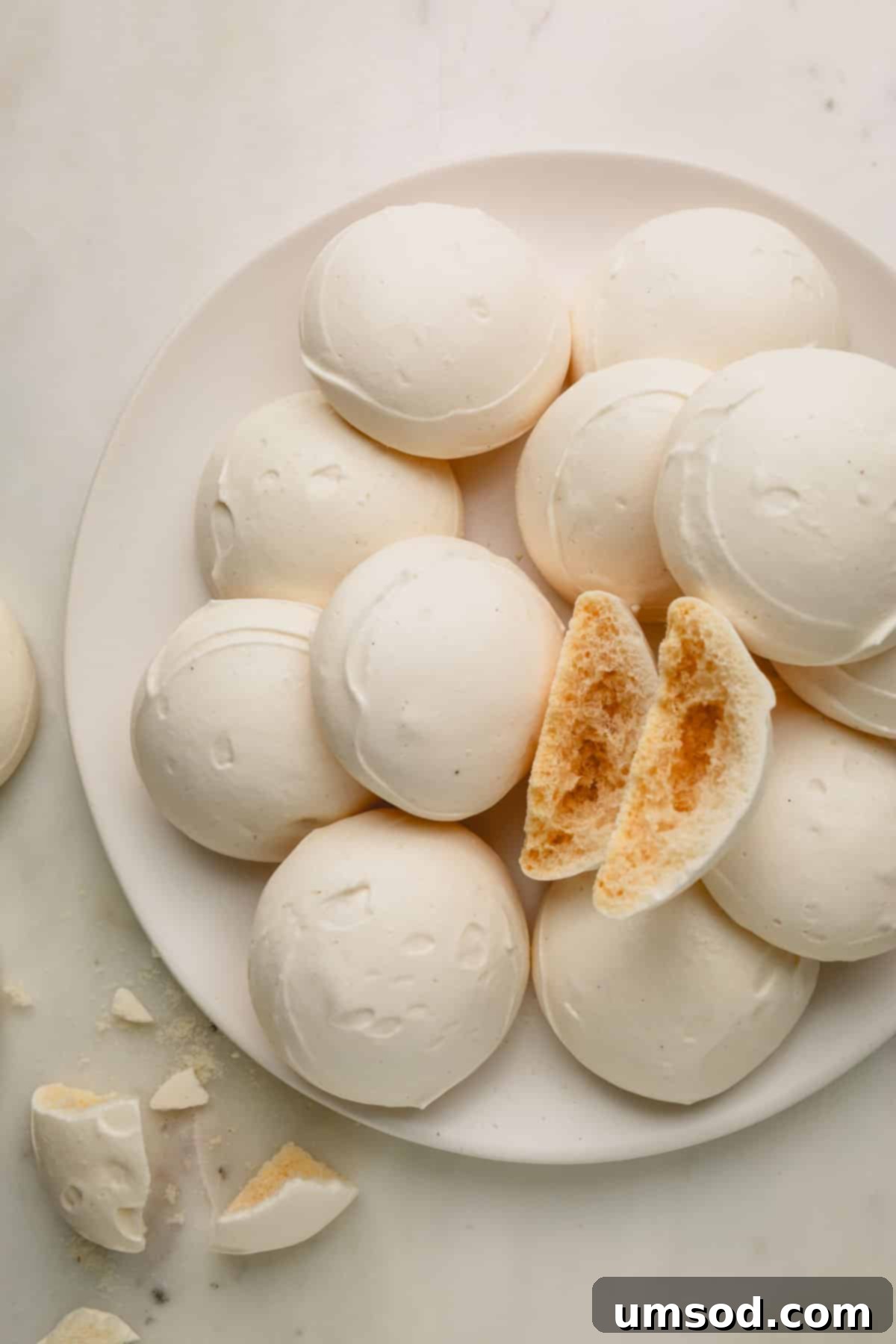
For the absolute best flavor and crispest texture, vegan meringue is always best enjoyed immediately after it has fully cooled. However, if you find yourself with delightful leftovers, proper storage is key to maintaining their quality:
You can store leftover vegan meringues in an airtight container. When stored in the refrigerator, they will remain fresh and crisp for up to 5 days. At room temperature, they will generally hold their shape and texture well, provided the environment is not hot or humid. If you live in a warm or humid climate, it’s highly advisable to transfer them to the fridge immediately after cooling to help them retain their delicate structure and prevent them from becoming sticky or weeping.
Crucial Storage Note: We strongly advise against freezing this recipe. Vegan meringues, particularly those made with aquafaba, do not tolerate freezing well. Upon thawing, the meringue will inevitably deflate, become watery and runny, and develop an unpleasant, chewy texture, rendering it entirely undesirable to eat. For optimal enjoyment, always stick to refrigeration for storage.
Frequently Asked Questions About Vegan Meringue
Cream of tartar is an absolutely critical ingredient for achieving a stable vegan meringue. The acidic properties of cream of tartar work by denaturing the proteins present in the aquafaba. This process helps these proteins create a more robust and flexible network, trapping air more efficiently and preventing the meringue from collapsing prematurely. Without the addition of cream of tartar, the aquafaba foam would be far less stable and prone to deflating quickly, resulting in a flat or runny meringue. It’s the secret to those beautifully stiff, lasting peaks!
For this particular recipe, we’ve found that a 1:1 ratio provides the perfect balance of sweetness and structural integrity. Specifically, we use 100g of granulated sugar for every 100g of prepared aquafaba. This ratio ensures sufficient sugar to stabilize the whipped aquafaba, leading to a strong, glossy, and beautifully crisp meringue.
There are several common reasons why your aquafaba might not be whipping into stiff peaks. The most frequent culprits include: the aquafaba being too watery (ensure you’ve reduced canned aquafaba sufficiently or used the correct dry aquafaba to water ratio); the presence of grease or fat in your mixing bowl or on your whisk attachment (even a tiny amount can inhibit whipping); not using a powerful enough mixer (a stand mixer or a robust hand mixer with a whisk attachment is highly recommended); or simply not whipping it for long enough. Aquafaba typically requires more time and patience than egg whites to achieve stiff peaks, often taking around 15 minutes or even more. As long as your equipment is clean and you’re patient, the aquafaba should eventually whip up beautifully!
Absolutely! Once your meringue has reached stiff peaks, you can gently fold in flavorings. A few drops of pure vanilla extract, almond extract, peppermint extract, or even a small amount of freeze-dried fruit powder can add wonderful dimensions of flavor. Avoid oil-based extracts or large amounts of liquid flavorings, as these can destabilize the meringue.
Yes, this vegan meringue recipe is naturally gluten-free. All the ingredients – aquafaba, granulated sugar, cream of tartar, and salt – are inherently gluten-free. This makes it a fantastic dessert option for individuals with gluten sensitivities or celiac disease, broadening its appeal to a wider audience.
Explore More Helpful Kitchen Guides
Enhance your culinary skills with these additional insightful guides:
- Matcha 101: A Beginner’s Guide to Green Tea
- How to Make Perfect Homemade Caramel Sauce
- Mastering the Art of Separating Egg Whites
- Crafting Your Own Homemade Vanilla Extract
How to Make Vegan Meringue
Shinee Davaakhuu
30
1
1 30
30 servings
Comment
Print Recipe
Ingredients
For aquafaba:
Method #1 (Dry Aquafaba):
-
10 tablespoons
(10 g)
aquafaba powder Note 1 -
90 g
water room temperature
Method #2 (Canned Chickpea Aquafaba):
-
1 (16 oz)
can chickpeas Note 2
For the meringue:
-
100 g
prepared aquafaba -
100 g
granulated sugar -
¼ teaspoon
cream of tartar -
¼ teaspoon
salt
Instructions
To prepare the aquafaba:
-
Method #1 (Dry Aquafaba): Whisk aquafaba powder and room-temperature water in a small bowl until smooth. Let it sit for 5-10 minutes to fully dissolve the aquafaba powder.
-
Method #2 (Canned Chickpea Aquafaba): Drain the chickpea water into a small saucepan. Simmer the liquid over medium heat until it reduces by half, about 20-25 minutes. Cool completely to room temperature before use.
To make the meringue:
-
Preheat the oven to 200°F (94°C). Line 2 baking sheets with parchment paper.
-
Weigh out 100g of your prepared aquafaba.
-
Combine the aquafaba, granulated sugar, cream of tartar, and salt in an impeccably clean mixing bowl with a whisk attachment.
-
Beat the meringue on medium-high speed until very stiff, glossy peaks form. This typically takes about 15 minutes or longer.
-
Scoop or pipe dollops of meringue (about ¼ cup each) and arrange them on the prepared baking sheets, leaving space between each.
-
Bake for 1 hour. Turn off the heat and leave the oven door ajar. Allow the meringues to cool completely inside the oven for at least 1-2 hours or overnight.
⭐️ Did you make this recipe?
Please leave a review and let us know how you liked it!
Tips & Notes
Note 2: A standard 16oz (450g) can of chickpeas typically yields about 225ml (just under 1 cup) of liquid. When you reduce this liquid by half, you will end up with approximately 110ml of highly concentrated aquafaba. Be aware that canned aquafaba can sometimes be saltier than dry aquafaba, so adjust the added salt in the recipe accordingly.
Note 3: Aquafaba meringue is highly sensitive to heat. For optimal results (crisp texture without browning or cracking), it’s crucial to bake the meringue at the lowest possible temperature for an extended period, followed by cooling in the oven.
Storing Tips:
– For peak freshness and crispness, vegan meringue is best served immediately after it has fully cooled. However, if you have leftovers, store them in an airtight container in the refrigerator for up to 5 days. They can also be kept at room temperature if the environment is cool and dry; in hot or humid conditions, transfer them to the fridge promptly to help them maintain their shape and texture.
– It is not recommended to freeze this recipe! Freezing will cause the meringue to deflate, become watery and runny, and develop an unpleasant texture once thawed, making it inedible.
Nutrition
1 meringue
13kcal
3g
0g
0g
3g
20mg
Dessert, Sweet Snack
American, Vegan
Did you make this?
Leave a rating and your feedback. Thank you!