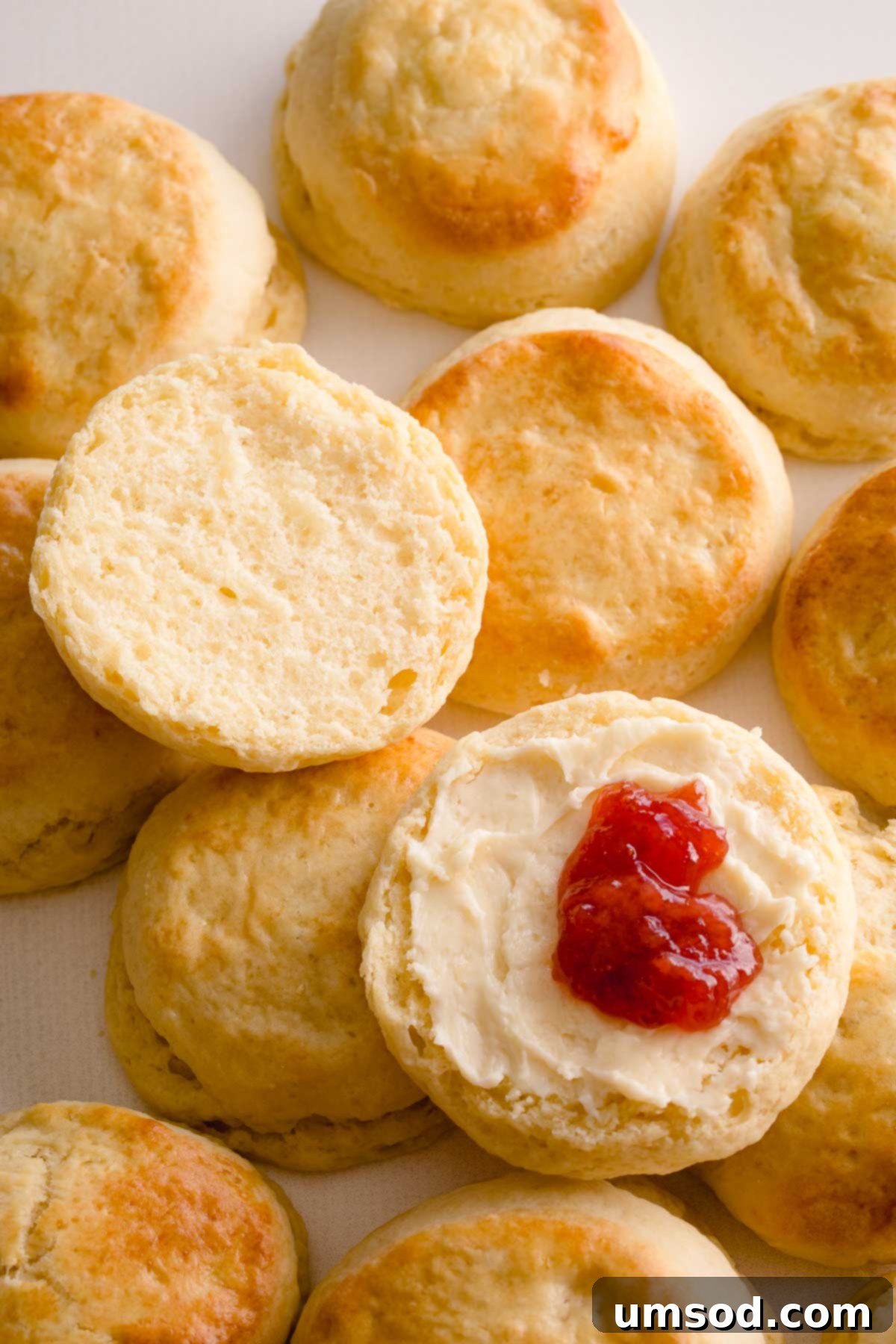
Prepare to be enchanted by the delicate charm of these authentic English scones. Incredibly light, exquisitely tender, and boasting a wonderfully fluffy, cake-like crumb, this recipe promises perfection in less than 30 minutes. All you need are a handful of pantry staples and a craving for a truly delightful baked good.
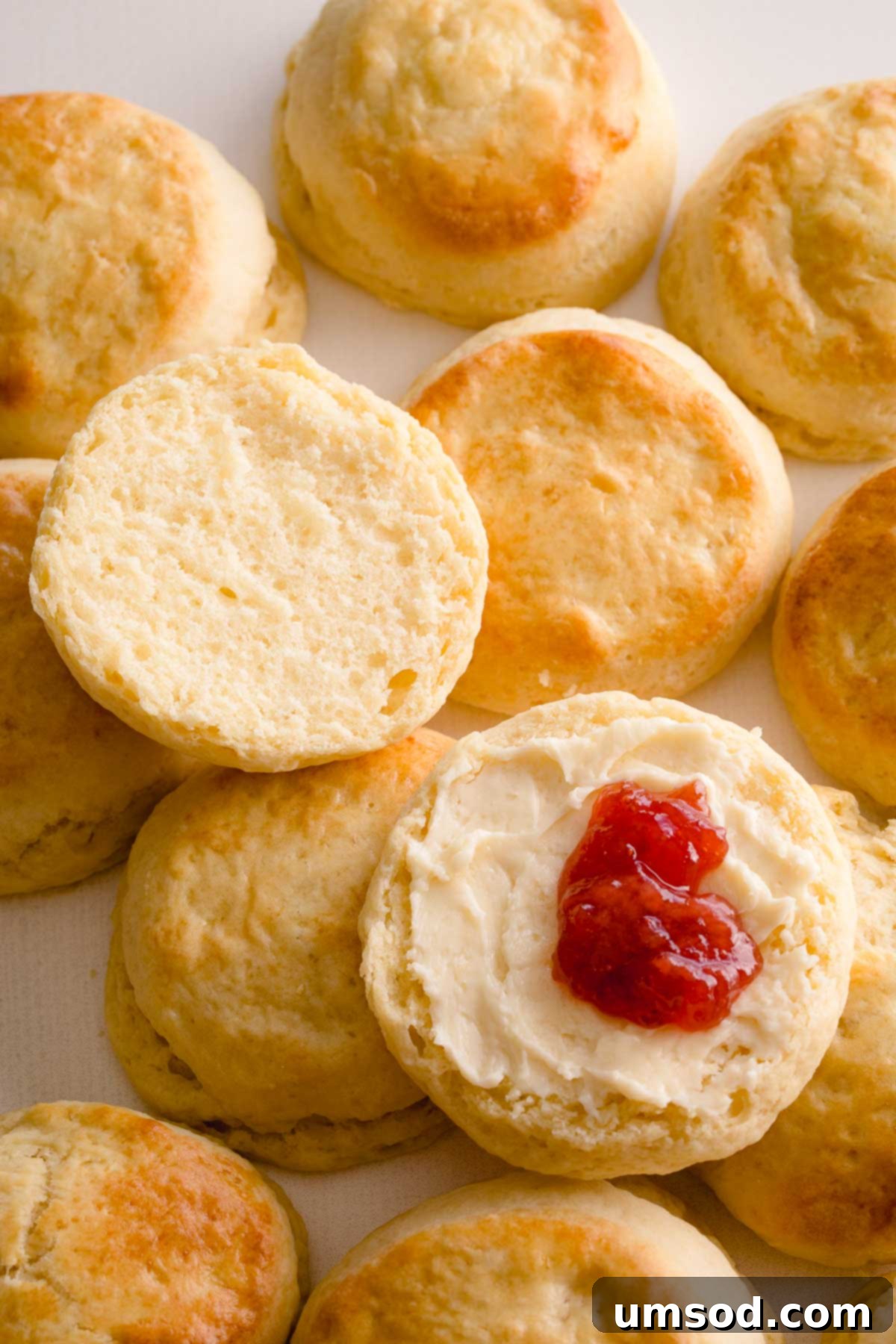
For years, I believed scones weren’t my cup of tea. My perception was shaped by dense, dry, or overly sweet versions I’d encountered. That was, until my husband and I had the profound pleasure of experiencing Afternoon Tea at The Savoy in London. It was there, amidst the grandeur and tradition, that I was introduced to truly exceptional English scones. Served as our first course, these scones were astonishingly moist, tender, and possessed an airy, cake-like texture that was utterly captivating. Every bite was pure bliss, transforming my entire understanding of what a scone should be. And yes, you can bet we eagerly requested more!
Why You’ll Fall in Love with This English Scones Recipe:
This isn’t just another scone recipe; it’s an invitation to recreate a truly authentic British experience in your own kitchen. Here’s why these English scones will become your new favorite:
- Unrivaled Texture: Say goodbye to dense, heavy scones. This recipe yields a remarkably light, tender, and fluffy interior, reminiscent of a delicate cake, ensuring a melt-in-your-mouth experience with every bite.
- Perfectly Balanced Sweetness: These scones are intentionally not overly sweet, making them incredibly versatile. They provide the ideal canvas for your favorite jams, clotted cream, or a smear of honeyed butter, allowing the accompaniments to shine without being overwhelmed.
- Amazingly Quick and Easy: Don’t let their elegant appearance fool you. From start to finish, these scones come together in under 30 minutes, making them perfect for a spontaneous treat, an unexpected guest, or a weekend brunch.
- The Secret to Tender Scones, Every Time: We employ a special mixing method that minimizes gluten development, which is key to achieving that signature tender crumb. This technique ensures consistently light and airy scones, even for novice bakers.
- Basic, Accessible Ingredients: You won’t need any fancy or hard-to-find items. This recipe relies on everyday pantry staples, meaning you can whip up a batch of these delightful treats whenever the craving strikes.
Key Ingredients for Perfect English Scones:
Crafting perfect English scones begins with understanding the role of each ingredient. Here’s a breakdown of what you’ll need and why it’s important:
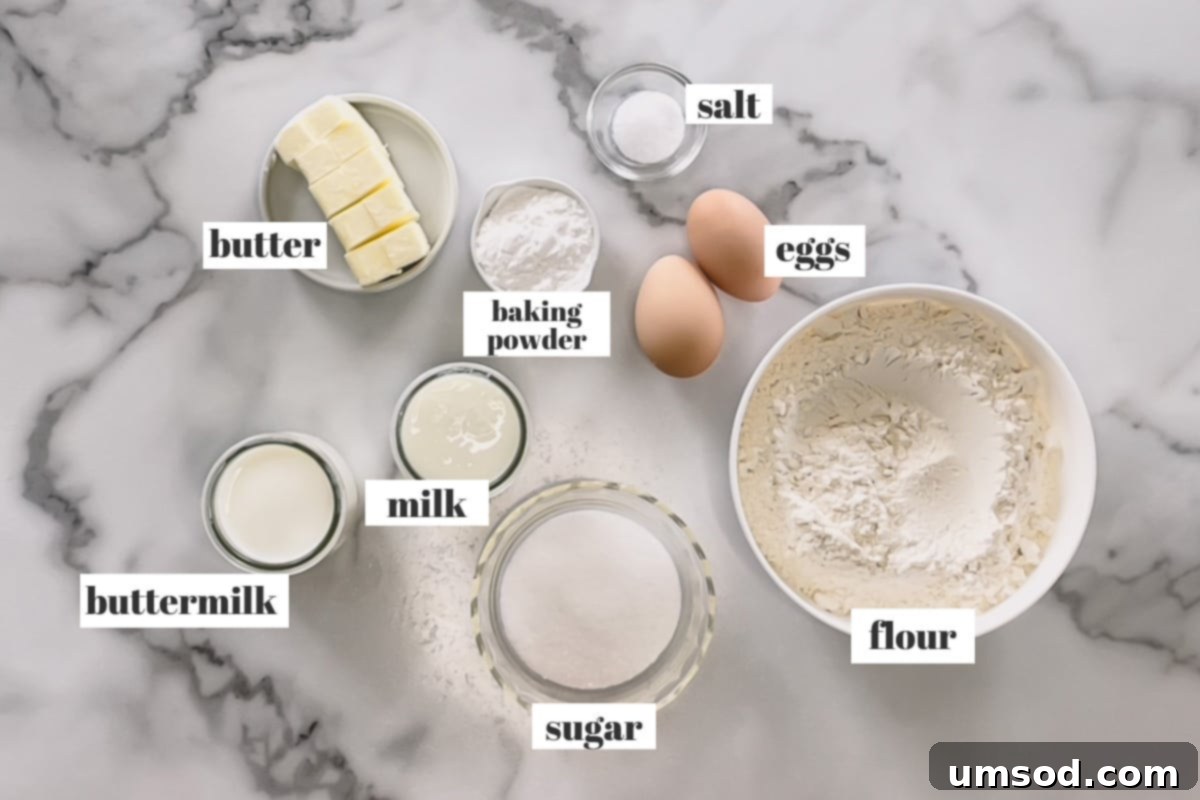
- All-Purpose Flour: The backbone of our scones. All-purpose flour provides the right structure without being too heavy. Measuring it correctly, by weight if possible (435g for 3 ½ cups), ensures a consistent, tender outcome.
- Granulated Sugar: Just a touch of granulated sugar is used to provide a subtle sweetness, allowing the rich flavors of butter and cream (or jam) to come forward. English scones are not meant to be overly sweet like some American variations.
- Buttermilk: A crucial ingredient for tender scones. The acidity in buttermilk reacts with the baking powder, producing a superior rise and contributing to the light texture. It also adds a slight tang that enhances the flavor. If you don’t have buttermilk, don’t worry! You can easily make a DIY buttermilk substitute at home.
- Whole Milk: While any type of milk can work, whole milk is highly recommended for its richness and fat content. This contributes to a softer, more luxurious crumb and a more flavorful scone. Ensure it’s at room temperature for better mixing.
- Baking Powder: Don’t be surprised by the generous amount of baking powder in this recipe. It’s the primary leavening agent that creates those characteristic tall, fluffy scones with that desirable soft texture. Fresh baking powder is key for a good rise.
- Salt: A small amount of salt balances the sweetness and enhances all the other flavors, making the scones taste more vibrant and well-rounded.
- Unsalted Butter (Softened): Softened butter, rather than cold, is essential for our unique mixing method. It helps create a wet-sand texture when combined with flour, which is critical for limiting gluten formation and achieving unparalleled tenderness.
- Large Eggs (Room Temperature): Eggs bind the ingredients together and add richness. Bringing them to room temperature helps them incorporate more smoothly into the batter, ensuring an even consistency.
How to Make These Perfectly Fluffy English Scones:
Creating these delightful English scones is a straightforward process, but a few key techniques ensure their signature light and tender texture. This recipe is slightly adapted from the brilliant minds at Cook’s Illustrated, known for their scientific approach to baking.
Preparing the Scone Dough:
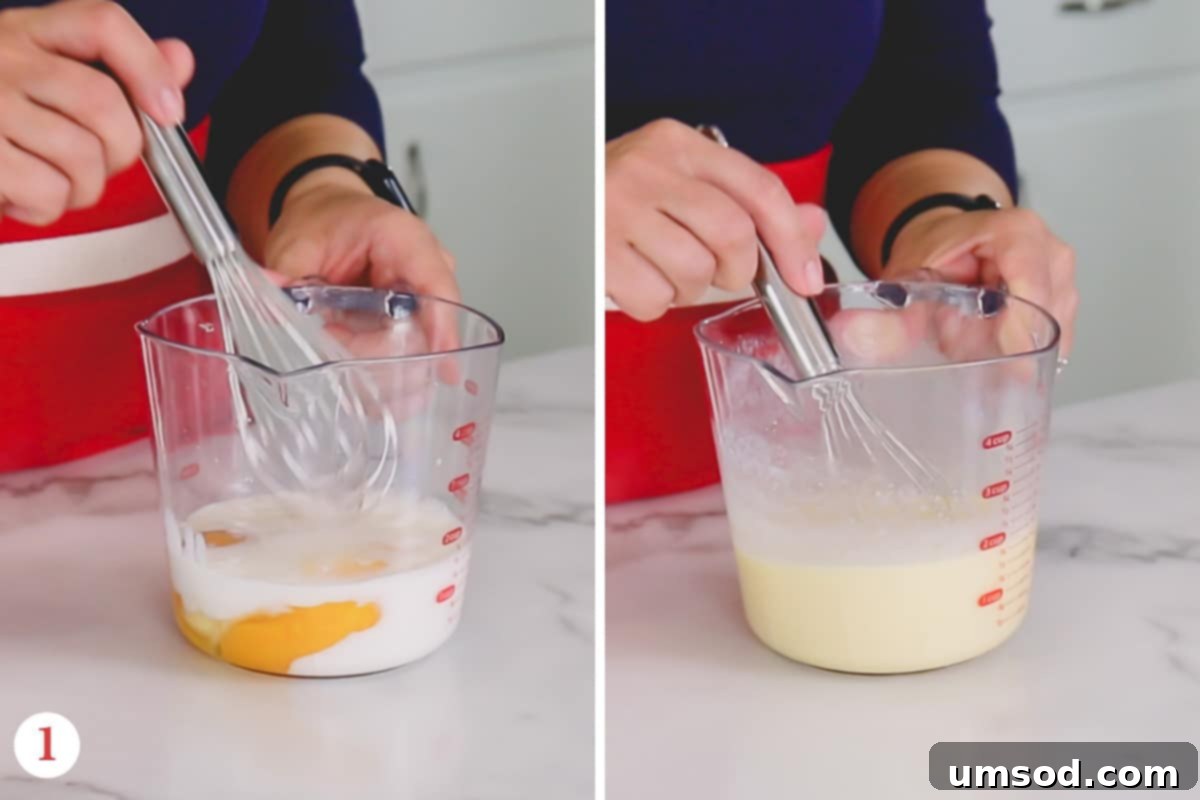
1. Prepare the Wet Ingredients: In a medium bowl, gently whisk together the room temperature eggs, buttermilk, and milk until they are well combined. This ensures an even distribution of liquids throughout the dough. Once mixed, measure out about 2 tablespoons of this mixture into a separate small bowl and set it aside. This reserved liquid will be used later for brushing the tops of your scones, giving them a beautiful golden sheen.
2. Combine Dry Ingredients: In a large mixing bowl (or the bowl of a stand mixer with a paddle attachment), whisk together the all-purpose flour, granulated sugar, baking powder, and salt. Make sure to whisk them thoroughly for about 30 seconds to ensure the leavening agent and salt are evenly distributed throughout the flour mixture. This prevents pockets of unmixed ingredients and helps the scones rise uniformly.
3. Incorporate the Butter – The Secret Technique: Add the softened unsalted butter to the dry ingredients. Mix on low speed (or with a pastry blender/fingertips) until the butter is completely and evenly distributed throughout the flour mixture. The mixture should resemble a fine, wet sand texture, with no visible chunks of butter. This step is critical!
Expert Tip for Ultimate Tenderness:
This unique mixing method is the secret weapon for incredibly light and tender scones. By thoroughly coating the flour granules with fat from the softened butter before adding the liquid, we effectively limit the formation of gluten. Less gluten means a less chewy, more delicate, and cake-like crumb, which is the hallmark of a perfect English scone.
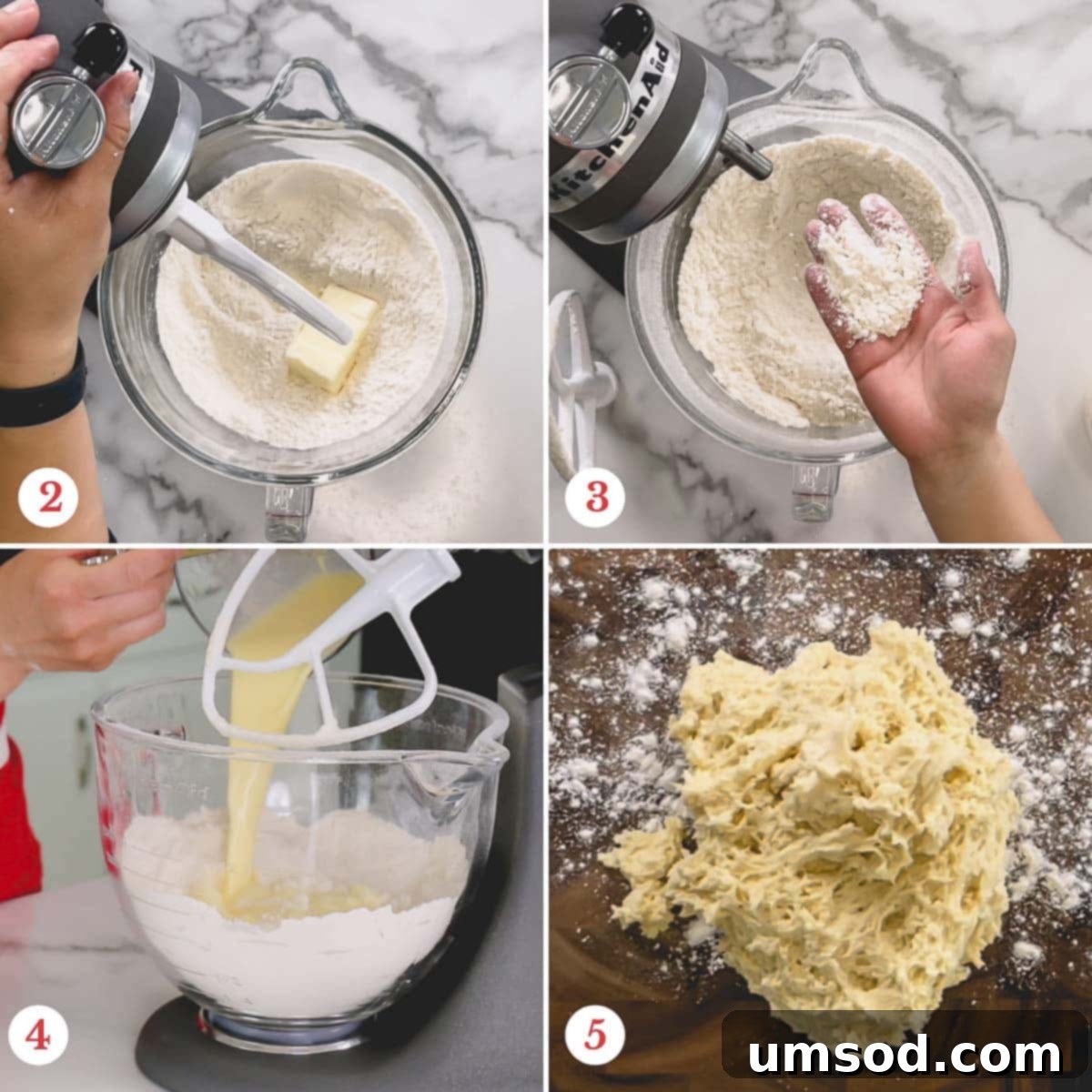
4. Add Wet Ingredients: Pour the combined egg, buttermilk, and milk mixture into the flour and butter mixture. Mix on low speed until just combined. Be careful not to overmix; overmixing develops gluten and can lead to tough scones. Stop mixing as soon as no dry streaks of flour remain.
5. Don’t Panic About Stickiness: At this stage, the dough will be exceptionally soft and quite sticky. This is completely normal and desirable! Resist the urge to add more flour, as this will dry out your scones and make them tough.
Shaping and Baking the Scones:
6. Prepare Work Surface and Knead Lightly: Generously flour your work surface (a countertop or large cutting board works well). Using a silicone spatula, carefully transfer the sticky dough onto the floured surface. With lightly floured hands, gently knead the dough a few times, just enough to bring it together and smooth out the surface. Avoid excessive kneading, as this will also develop gluten.
7. Roll Out the Dough: Roll the dough into a uniform 1-inch thick disk. Maintaining an even thickness is important for consistent baking and beautiful, tall scones.
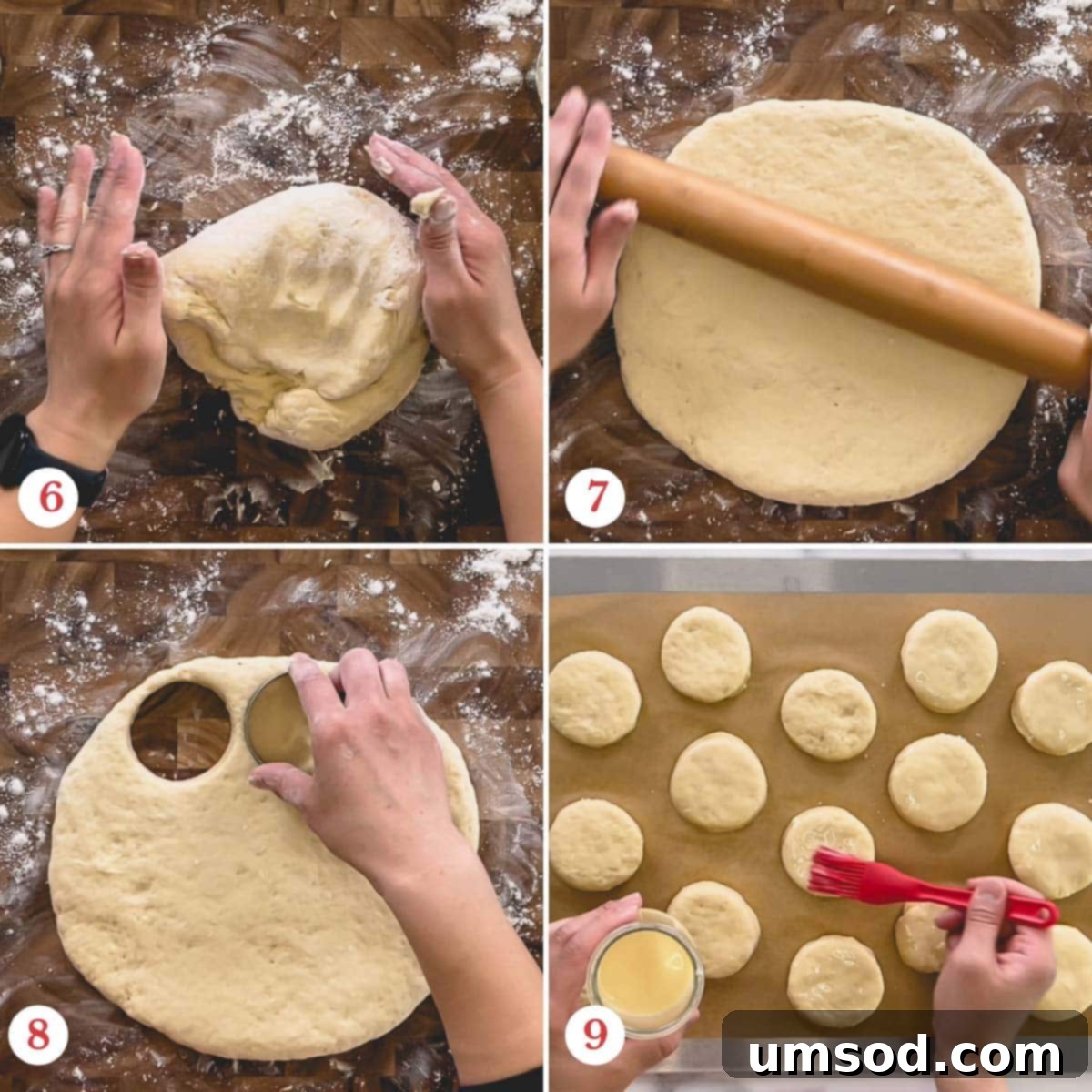
8. Cut Out Scones: Using a 2-inch round cookie cutter, press straight down to cut out as many scones as possible. Do not twist the cutter, as twisting can seal the edges and inhibit the scones from rising properly. Arrange the cut scones onto a baking sheet that has been lined with parchment paper or a silicone mat, ensuring they are spaced about 1 inch apart.
9. Gather Scraps and Repeat: Gather the dough scraps, gently press them together, and re-roll to cut out additional scones until all the dough is used. Again, handle the dough minimally to keep it tender.
10. Egg Wash and Bake: Lightly brush the tops of the scones with the reserved egg mixture. This egg wash helps create a beautiful golden-brown crust and a slight sheen. Bake the scones in a preheated oven at 425°F (220°C) for approximately 13-15 minutes, or until they are golden brown on top and have risen significantly.
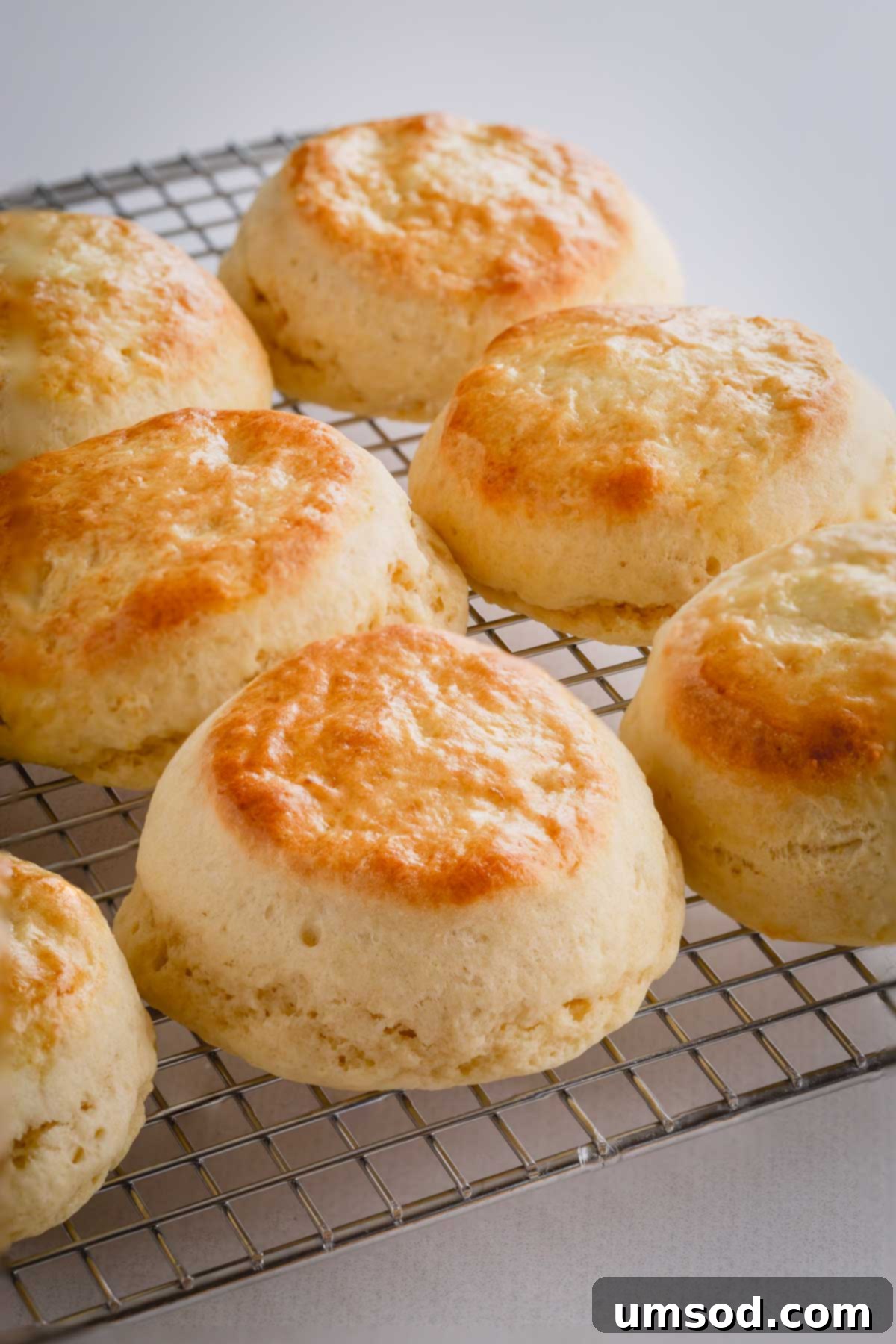
Once baked, transfer the scones to a wire rack and allow them to cool completely before serving. While they are delicious warm, cooling allows their texture to set perfectly.
Serving Ideas for Your Homemade English Scones:
Since these scones are not overly sweet, they are the perfect canvas for a variety of delicious toppings. The classic British way to enjoy them is with a generous dollop of clotted cream and a spoonful of strawberry or raspberry jam. However, feel free to get creative!
- The Traditional Way: Clotted Cream and Jam. Clotted cream is a thick, rich cream, similar to crème fraîche but with a higher fat content and a slightly nutty flavor. It’s often difficult to find outside of the UK, but if you can get your hands on some, it’s an absolute must-try. Spreading it on a warm scone with your favorite fruit jam creates a symphony of textures and flavors that is truly iconic.
- Sweet Whipped Butter: If clotted cream is unavailable, a beautifully light and sweet whipped butter makes an excellent substitute. Its airy texture and hint of sweetness complement the scone perfectly. (Recipe provided below in the recipe card).
- Lemon Curd: For a zesty twist, lemon curd offers a bright, tangy contrast to the rich scone.
- Honey or Maple Syrup: A simple drizzle of raw honey or pure maple syrup can add a delightful natural sweetness.
- With Your Favorite Tea: No afternoon tea experience is complete without a freshly brewed pot of Earl Grey, English Breakfast, or your preferred herbal blend.
British Scones vs. American Scones: What’s the Difference?
While both are delightful baked goods, British and American scones have distinct characteristics that set them apart:
Firstly, the amount of butter. Traditional English scones typically use far less butter than their American counterparts. This is because English scones are designed to be enjoyed with generous servings of clotted cream, butter, and sweet jam, which provide the richness. American scones, on the other hand, often incorporate more butter and sugar directly into the dough, sometimes even buttermilk, eggs, and heavy cream, making them richer and sweeter on their own.
Secondly, texture and size. British scones are generally smaller, taller, and have a lighter, fluffier, and more delicate cake-like crumb. They are round or sometimes square. American scones tend to be larger, often triangular, and have a denser, more crumbly or biscuit-like texture due to their higher fat content and different mixing methods (often cutting in cold butter). They often have a rough, craggier top.
Finally, variations and fillings. Unlike American scones, which boast endless variations with fruits, nuts, chocolate chips, and glazes, British scones are traditionally much simpler. You’ll primarily find plain scones or those with raisins or currants (often called “fruit scones”). They aren’t typically heavily flavored or glazed, as their purpose is to be a vehicle for clotted cream and jam.
Biscuits vs. Scones: A Culinary Comparison
The confusion between biscuits and scones, especially for those unfamiliar with British culinary terms, is common. In the UK, “biscuit” refers to what Americans call a “cookie,” while “scones” are the savory or lightly sweet quick bread we’re discussing. However, American “biscuits” bear a closer resemblance to British scones in their preparation, yet they are still distinctly different.
American biscuits are renowned for their distinct flakiness and crumblier texture, achieved by cutting in cold butter to create layers. They are typically savory, served alongside gravy, fried chicken, or with breakfast, and are meant to be richer and denser with a more savory profile.
English scones, in contrast, are characterized by their light, tender, and delicate cake-like crumb. They are designed to be eaten with sweet accompaniments. While both use similar ingredients like flour, fat, and leavening, the proportion of ingredients and the mixing method lead to vastly different end results. The secret butter-coating method in our scone recipe is precisely what gives them that unique, tender, and non-flaky crumb that truly sets them apart from both American scones and biscuits.
Freezing Instructions for English Scones:
One of the best things about these English scones is how beautifully they freeze, allowing you to enjoy a taste of Britain whenever you desire. This makes them perfect for meal prepping or having a fresh treat on hand.
Simply place the baked and completely cooled scones in an airtight freezer-safe ziplock bag or container. They can be frozen for up to 3 months without losing their quality.
When you’re ready to indulge, there are a few ways to reheat them:
- Quick Microwave Method: For a fast warm-up, microwave individual scones on high for 30-45 seconds, or until warmed through. Be careful not to overheat, as this can make them tough.
- Oven Reheating for Best Texture: For the most authentic taste and texture, preheat your oven to 300°F (150°C). Place frozen scones directly on a baking sheet and bake for about 10-15 minutes, or until they are soft and warm in the center.
- Room Temperature Thawing: Alternatively, you can simply bring them to room temperature on your counter for about an hour before serving.
Serve them warm or at room temperature with your preferred toppings, and enjoy!
Video Tutorial

Rated 4.85 out of 5 by 19 readers.
Classic English Scones
By Shinee Davaakhuu
Incredibly light and tender, these English scones have a fluffy cake-like crumb and are quick and easy to make. All you need is a handful of ingredients and 30 minutes of your day!
Prep: 15 mins | Cook: 15 mins | Total: 30 mins | Servings: 16 scones
Comment
Ingredients
For the Scones:
- 2 large eggs, at room temperature
- ½ cup (120 ml) buttermilk, at room temperature (See Note 1)
- ½ cup (120 ml) whole milk, at room temperature (See Note 2)
- 3 ½ cups (435 g) all-purpose flour (See Note 3)
- ⅓ cup (65 g) granulated sugar
- 2 tablespoons baking powder
- ½ teaspoon salt
- ⅓ cup (75 g) unsalted butter, softened
For Sweet Whipped Butter (Optional, but highly recommended!):
- ½ cup (115 g) unsalted butter, softened
- ¼ cup (60 ml) heavy whipping cream
- 1-2 tablespoons raw honey (adjust to taste)
Instructions
To Make the Scones:
- Preheat the oven to 425°F (220°C). Line a baking sheet with parchment paper or a silicone mat.
- In a medium cup or bowl, beat the eggs, buttermilk, and milk until well combined. Reserve about 2 tablespoons of this mixture in a separate small bowl for an egg wash.
- In a large mixing bowl (or using a stand mixer with a paddle attachment), whisk together the flour, sugar, baking powder, and salt until thoroughly combined.
- Add the softened butter to the dry ingredients. Mix until the butter is completely and evenly distributed, resembling a wet-sand texture. (TIP: Thoroughly coating the flour with butter minimizes gluten formation, creating incredibly tender and light scones.)
- Pour the remaining egg mixture into the flour and butter mixture. Mix on low speed until just combined. The dough will be quite sticky, which is normal.
- Generously dust your work surface with flour. Using a silicone spatula, transfer the sticky dough onto the floured surface.
- With lightly floured hands, gently knead the dough a few times to smooth out the surface. Roll the dough into a uniform 1-inch thick disk.
- Using a 2-inch round cookie cutter, cut out as many scones as you can. Press straight down and avoid twisting the cutter.
- Arrange the cut scones on the prepared baking sheet, spacing them about 1 inch apart. Gently gather the dough scraps, press them together, re-roll, and cut out any remaining scones until all the dough is used.
- Brush the tops of each scone with the reserved egg mixture.
- Bake for 13-15 minutes, or until the scones are golden brown on top and have risen beautifully.
- Cool the scones on a wire rack. Serve warm or at room temperature with sweet whipped butter and your favorite jam.
To Make Sweet Whipped Butter:
- In a small bowl, whip the softened unsalted butter, heavy cream, and raw honey with a mixer until it becomes light, fluffy, and well combined.
⭐️ Did you make this recipe?
Please leave a review and let us know how you liked it!
Video
Tips & Notes
Note 1: Buttermilk Substitute: If you don’t have buttermilk on hand, you can easily make a substitute. For ½ cup of buttermilk, add ½ tablespoon of white vinegar or lemon juice to a liquid measuring cup, then fill the rest of the cup with whole milk. Let it sit for 5-10 minutes until it slightly curdles.
Note 2: Milk Type: While any milk can be used, whole milk is recommended for its higher fat content, which contributes to a richer flavor and more tender crumb in your scones.
Note 3: Flour Measurement: For the most accurate results, weigh your flour. If measuring by volume, spoon the flour into your measuring cup and level it off with a straight edge; do not pack it down.
Freezing Instructions: These scones freeze exceptionally well. Place baked and cooled scones in an airtight container or ziplock bag and freeze for up to 3 months. Reheat in the microwave for 30-45 seconds or in a 300°F (150°C) oven for 10-15 minutes.
Recipe Credit: This recipe is slightly adapted from the meticulous testing and insights of Cook’s Illustrated.
Nutrition
Servings: 1 scone
Calories: 167kcal
Carbohydrates: 26.6g
Protein: 4.2g
Fat: 4.9g
Sugar: 4.9g
Sodium: 102.5mg
Course: Appetizer, Breakfast, Snack
Cuisine: British

Did you make this?
Leave a rating and your feedback. Thank you!