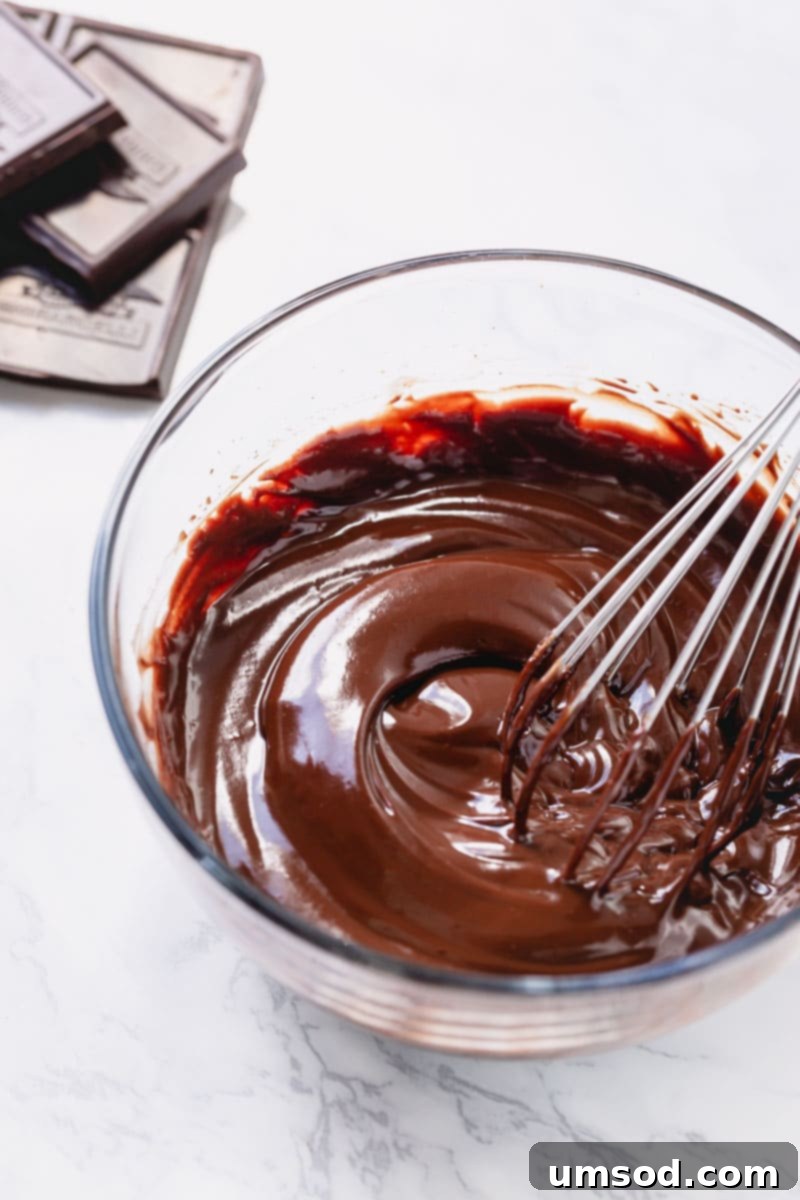
Welcome to the ultimate guide for crafting a truly decadent, silky smooth chocolate ganache! This versatile pastry staple is an essential skill for any home baker looking to elevate their desserts to a professional level. Whether you’re aiming for a glossy cake drip, a rich truffle filling, or a luscious cupcake frosting, mastering the art of ganache opens up a world of culinary possibilities. Forget about complicated techniques; with just two core ingredients and a few simple steps, you’ll be creating flawless ganache in no time. Prepare to transform your baking with this foundational element that promises to add a touch of elegance and intense chocolate flavor to all your sweet creations.
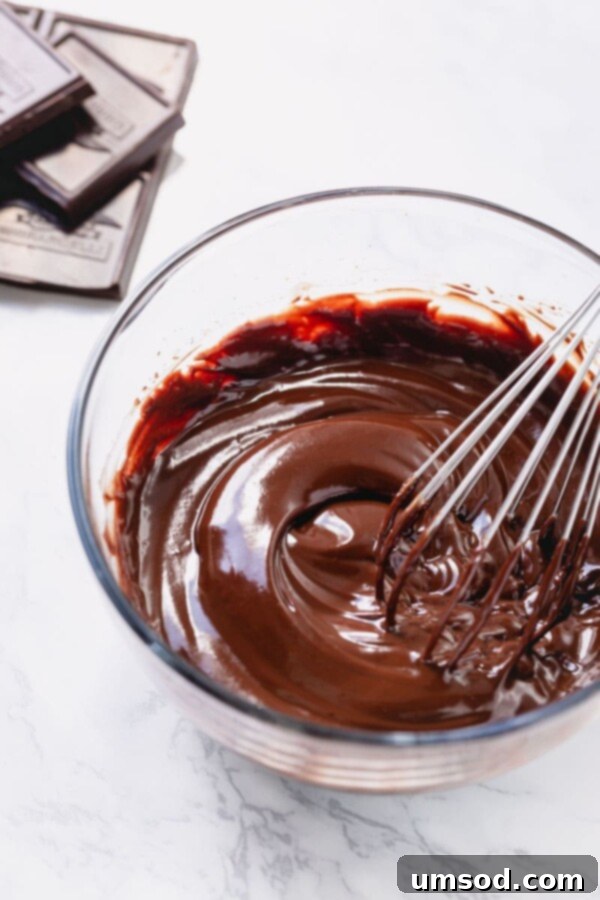
What is Chocolate Ganache? The Science Behind the Silkiness
At its heart, chocolate ganache is a simple yet magical emulsion of melted chocolate and hot cream. This elegant mixture forms a stable, rich, and incredibly flavorful base for countless desserts. The process involves carefully combining the fat from the chocolate and the fat from the heavy cream, resulting in a smooth, luxurious consistency that can range from a pourable glaze to a thick, fudge-like filling.
While a basic, all-purpose ganache traditionally uses equal parts chocolate and cream (a 1:1 ratio), the beauty of ganache lies in its adaptability. By adjusting the proportions of these two key ingredients, you can achieve a wide spectrum of textures tailored to your specific baking needs. For instance, reducing the cream content yields a thicker ganache, perfect for shaping into delectable chocolate truffles. Conversely, increasing the cream creates a thinner, more fluid ganache, ideal for drizzling over desserts or using as a delicate chocolate sauce. Understanding these ratios is fundamental to unlocking the full potential of this pastry marvel.
Essential Ingredients for Perfect Ganache: Quality Over Quantity
Since chocolate ganache relies on a minimalist ingredient list, the quality of your heavy cream and chocolate is paramount. Investing in the best ingredients you can source will significantly impact the final flavor, texture, and overall success of your ganache.
Heavy Whipping Cream: The Foundation of Smoothness
Heavy cream, also known as heavy whipping cream, is absolutely crucial for achieving the correct emulsion and consistency of your ganache. It boasts a high fat content (typically 36% or more), which is essential for creating that stable, smooth texture. Avoid substituting with milk, half-and-half, or lighter creams, as their lower fat content will disrupt the delicate fat-to-liquid ratio, leading to a thin, watery, or even separated ganache.
For those seeking a dairy-free ganache, full-fat canned coconut milk (the thick cream scooped from the top) can be an excellent alternative. However, be aware that the flavor profile will be different, with a subtle hint of coconut.
Choosing Your Chocolate Wisely: The Star of the Show
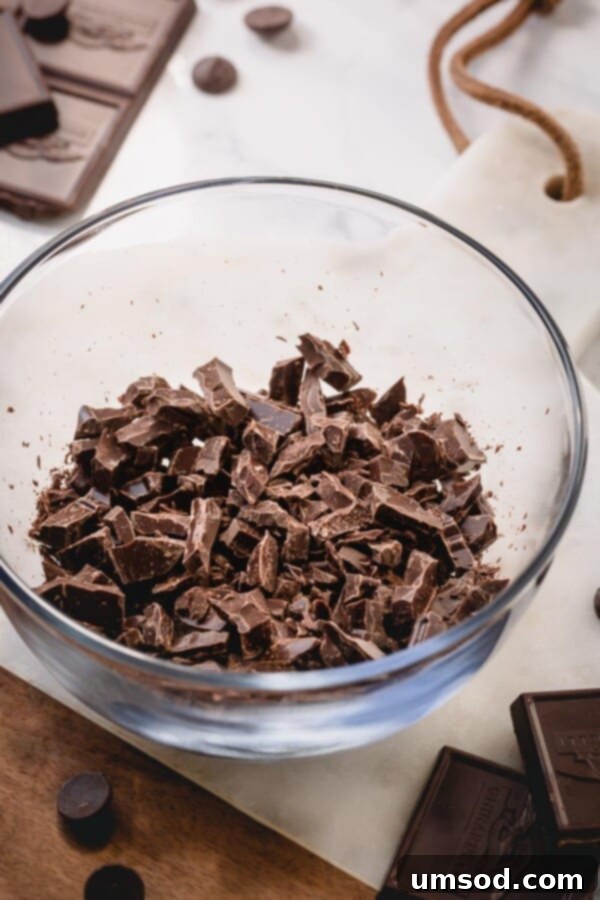
The chocolate you select is undoubtedly the star ingredient, dictating the flavor and much of the texture of your ganache. I strongly recommend using high-quality chocolate, particularly in bar form, over chocolate chips, for the best results.
- Chocolate Bars vs. Chocolate Chips: While chocolate chips can be used in a pinch, premium baking bars are generally preferred. Chocolate chips contain stabilizers to help them maintain their shape at high temperatures (think chocolate chip cookies!), which makes them more resistant to melting smoothly. This often necessitates additional heating during the ganache-making process, increasing the risk of overcooking or compromising the emulsion. Baking bars, conversely, are designed for melting and typically contain a higher percentage of cocoa butter, contributing to a more luxurious, smooth ganache.
- Semi-Sweet Chocolate: This is a popular and versatile choice, offering a balanced chocolate flavor that complements a wide array of desserts.
- Bittersweet or Dark Chocolate: For a richer, more intense chocolate experience, opt for bittersweet or dark chocolate. The higher cocoa content will result in a more robust ganache, perfect for sophisticated palates.
- Milk Chocolate: I generally advise against using milk chocolate for ganache. It contains less cocoa butter and more milk solids, making it more prone to separating or becoming grainy when combined with cream. If you must use milk chocolate, ensure it’s of the highest quality and be extra cautious with temperatures.
- White Chocolate Ganache: White chocolate ganache is absolutely achievable and utterly delicious! However, due to its different composition (it contains no cocoa solids, only cocoa butter, sugar, and milk solids), you’ll typically need to adjust the ratio slightly, using a little less cream than you would for dark or semi-sweet chocolate.
Can I Use Chocolate Chips to Make Ganache?
Yes, you can certainly use chocolate chips to make ganache, but be prepared for a slightly different process. As mentioned, the stabilizers in chocolate chips mean they don’t melt as readily or smoothly as baking bars. This often means you’ll need to gently heat the mixture after combining the cream and chocolate to ensure all the chips fully melt and you achieve that perfectly smooth, homogeneous texture. Patience and gentle heat are your allies here.
My Favorite Premium Chocolate Brands
Investing in quality chocolate pays dividends in the flavor and texture of your ganache. Here are some of my go-to brands:
- Ghirardelli: A widely accessible and reliable choice. Their Premium Semi-Sweet Baking bars are excellent for everyday ganache, readily found in most grocery stores.
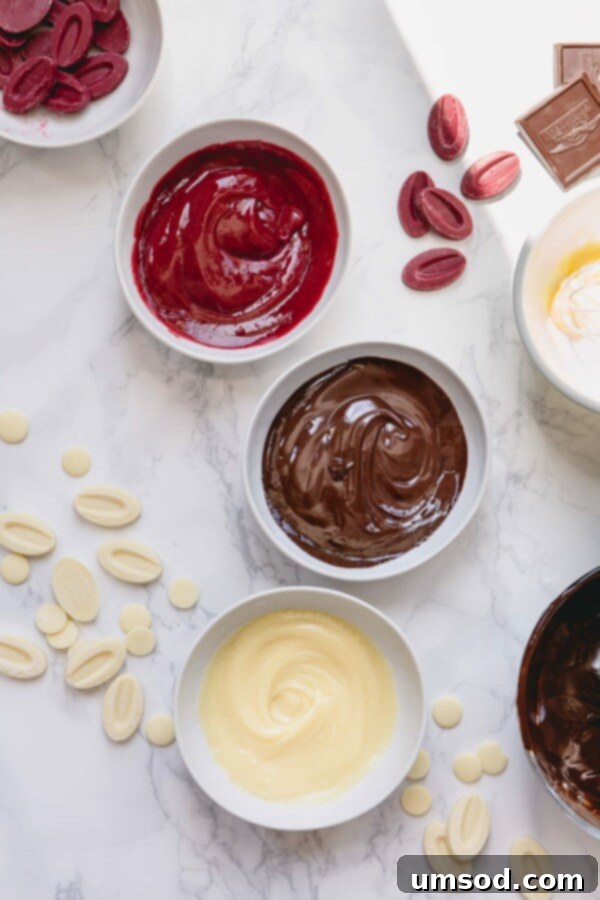
- Cacao Barry: Known for professional-grade couverture chocolate. Their Blanc Satin 29% white chocolate discs are a fantastic option for a superior white chocolate ganache.
- Valrhona: A truly exceptional brand offering a range of exquisite flavored chocolates. Valrhona’s Raspberry Inspiration chocolate wafers, for example, can create a stunning fruit-infused ganache.
Pro Tip
For a fantastic selection of premium chocolates, I often turn to the World Wide Chocolate website. It’s an excellent resource for sourcing high-quality couverture and specialty chocolates.
Mastering Ganache Ratios: A Guide for Every Application
The ratio of chocolate to cream is the secret to controlling your ganache’s final consistency, making it suitable for a diverse range of pastry applications. While the classic 1:1 ratio is a superb starting point, understanding how to tweak these proportions will elevate your ganache game.
1:2 Ratio (1 part chocolate to 2 parts cream)
This ratio yields a very fluid, super runny ganache that remains liquid even when cooled. It’s perfect for applications where you need a thin, glossy coating or a dipping sauce. Think shimmering glazes for éclairs, light drizzles over fruit salads, or a warm chocolate fondue. This type of ganache does not set firm, making it ideal for immediate serving or applications requiring a permanently pourable texture. Example: 4oz chocolate and 8oz cream.
1:1 Ratio (Equal parts chocolate and cream)
The 1:1 ratio is your versatile, all-purpose ganache. When warm, it’s beautifully pourable, ideal for creating elegant drips on cakes or covering cheesecakes with a rich, smooth layer. As it cools, this ganache thickens to a soft, spreadable consistency that can be used as a filling or a light frosting. Once fully chilled, it becomes firm enough to pipe, making it a favorite for many baking projects described throughout this guide. Example: 8oz chocolate and 8oz cream.
2:1 Ratio (2 parts chocolate to 1 part cream)
This rich ratio produces a thick, dense, and fudgy ganache. It’s the ideal choice when you need a ganache with significant body and structure. Its firm texture makes it exceptionally well-suited for rolling into luscious chocolate truffles, filling tart shells, or shaping into dense chocolate components. When whipped, it creates a profoundly rich and stable frosting. Example: 8oz chocolate and 4oz cream.
How to Make Silky Smooth Chocolate Ganache: A Step-by-Step Guide
Making chocolate ganache is surprisingly straightforward, requiring minimal effort for maximum reward. Follow these steps for a consistently perfect batch:
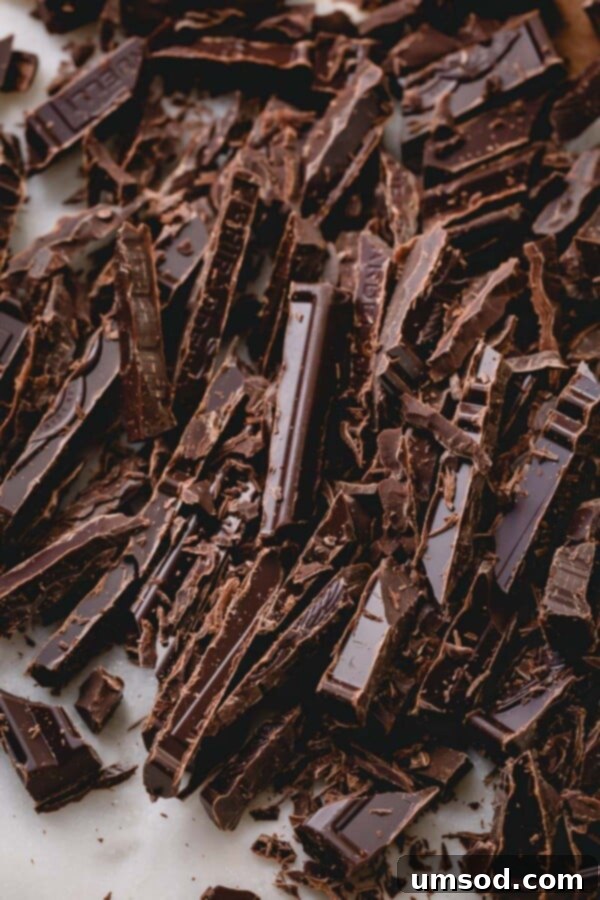
- Prepare Your Chocolate: Begin by finely chopping your chocolate into small, uniform pieces. Smaller pieces will melt more quickly and evenly, ensuring a smoother ganache. Place the chopped chocolate in a heatproof bowl.
- Heat the Heavy Cream: Gently heat the heavy cream until it’s very hot but not boiling. You can achieve this using a microwave, heating in 30-second intervals and stirring until hot (typically 1-2 minutes for smaller batches). For larger quantities, heating on the stovetop over medium heat is more efficient. Watch for small bubbles forming around the edges, but remove it from the heat before it comes to a full boil, as scorched cream can affect the flavor.
- Combine and Steep: Add a pinch of salt to the chopped chocolate (this enhances the chocolate flavor). Immediately pour the hot cream over the chocolate. Do not stir yet! Allow the mixture to sit undisturbed for 2-3 minutes. This crucial steeping time allows the residual heat from the cream to melt the chocolate gently and thoroughly, doing most of the work for you. Patience here is key to preventing a grainy texture.
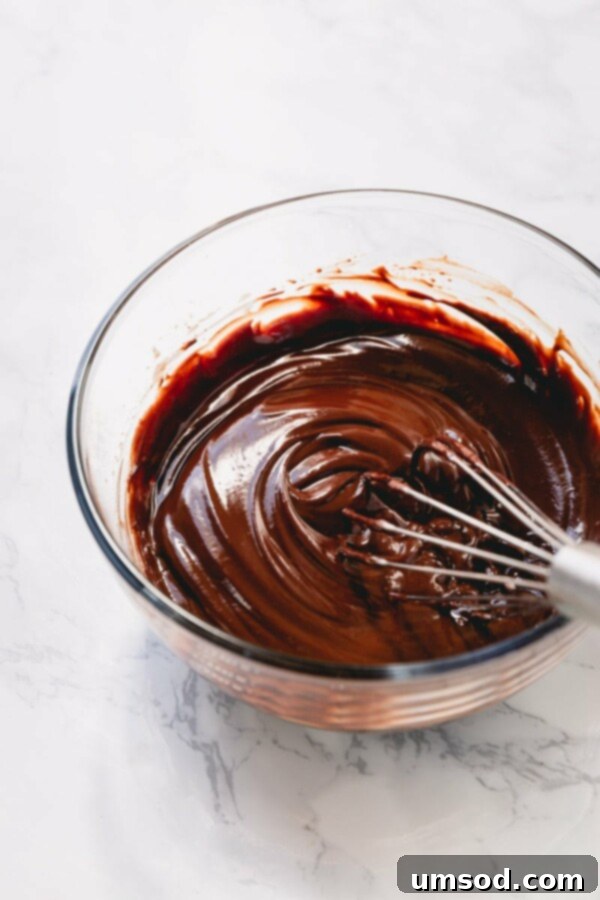
- Emulsify to Perfection: After steeping, begin whisking the mixture gently. Start in the very center of the bowl, stirring in a small circular motion. Gradually expand your circle outwards, slowly incorporating more of the melted chocolate and cream. Continue stirring gently and consistently in one direction until the mixture transforms into a uniform, glossy, and flawlessly smooth ganache.
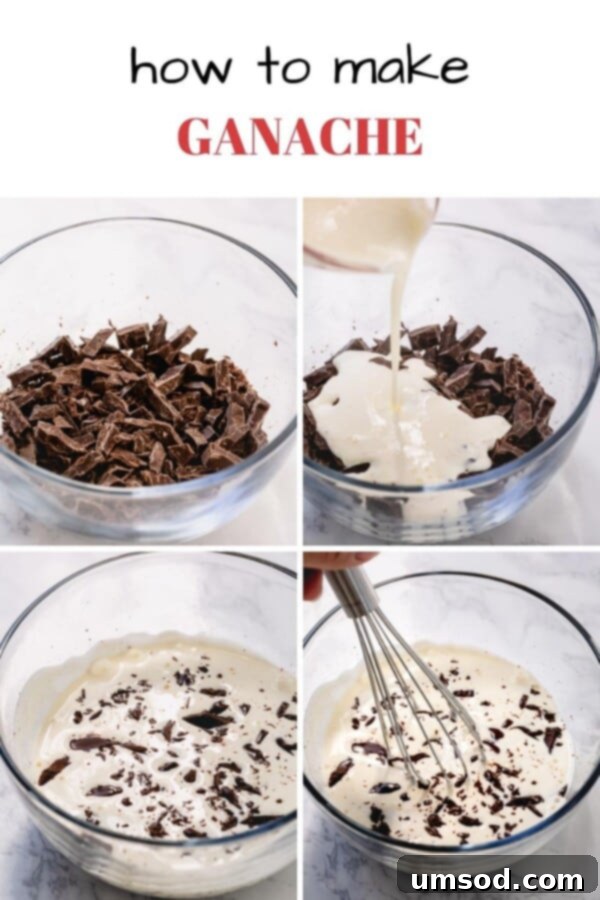
As you stir, the mixture will go through various stages. Initially, it might look uneven, slightly lumpy, or even like it’s separating, which can be alarming for first-time ganache makers. This is completely normal! Resist the urge to panic or stir vigorously. Keep stirring gently, maintaining a consistent motion, and watch as it miraculously comes together, becoming beautifully glossy and smooth.
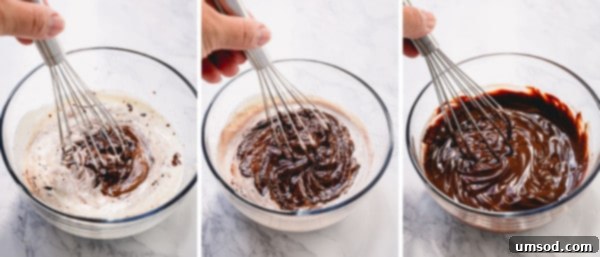
If, after gentle whisking, you still notice small, unmelted solid pieces of chocolate (this is more common with chocolate chips), don’t fret. You can gently warm the ganache to ensure full melting:
- Microwave Method: Heat the ganache in 30-second increments at 50% power, stirring thoroughly after each interval, until the remaining chocolate melts and the ganache is smooth.
- Double Boiler Method: Place the bowl with the ganache over a saucepan of simmering water (ensure the bottom of the ganache bowl does not touch the water). Gently heat the ganache, stirring constantly, until all the chocolate has melted.
For an extra touch of shine and an even softer texture, especially if using the ganache as a frosting, you can stir in 1 tablespoon of softened unsalted butter at this stage. It adds a beautiful sheen and richness.
Ganache Troubleshooting: Common Problems and Quick Fixes
Even experienced bakers can encounter issues with ganache. Knowing how to diagnose and fix common problems will save your dessert and your sanity!
Why is my ganache separated? Oil separating from the chocolate?
Separated ganache, often characterized by a greasy, broken appearance where the oil seems to have separated from the chocolate solids, can happen for a few reasons:
- Incorrect Temperature: The mixture was either too cold when whisked (preventing proper emulsion) or too hot (causing the fats to separate).
- Off-Balance Ratio: Too much fat relative to liquid can cause the emulsion to break. This might occur if you used chocolate with a very high cocoa butter content or cream that wasn’t heavy enough.
- Over-Mixing: While whisking is necessary, aggressive or prolonged mixing, especially with an immersion blender on high speed, can sometimes cause the emulsion to split.
- To fix it: Gently warm the ganache slightly if it’s too cold, or let it cool slightly if it’s too hot. Then, add 1 tablespoon of warm milk (or water) and whisk gently from the center outwards. Add additional tablespoons, one at a time, continuing to whisk until the ganache comes back together into a smooth, emulsified state.
Why did my chocolate seize?
Seized chocolate refers to chocolate that has suddenly turned gritty, crumbly, and unworkable, often looking like a thick, grainy paste. This happens almost exclusively when chocolate comes into contact with even a tiny amount of water. Water causes the cocoa solids to clump together, expelling the fat and creating this unappeasantly thick texture.
- Prevention is Key: Be meticulous about ensuring your bowls, spatulas, and any equipment touching the chocolate are completely dry. If heating cream on the stovetop, ensure no water droplets from steam condense back into the bowl of chocolate.
Understanding Ganache Consistencies: From Drizzle to Frosting
One of the most remarkable aspects of ganache is its ability to transform through cooling and aeration, offering diverse consistencies for various applications. All these textures are typically achieved from a 1:1 ratio ganache, simply by adjusting its temperature or by whipping it.
- Runny (Warm): Immediately after preparation, while still warm, ganache is wonderfully runny. This fluid state is perfect for creating a classic chocolate fondue, dipping fresh fruits, or thinly glazing pastries. It flows effortlessly and sets with a delicate, soft texture.
- Pourable (Cooled for ~10-20 minutes): As the ganache cools slightly (usually after about 10-20 minutes at room temperature, or a quick chill in the fridge), it thickens to a perfectly pourable yet viscous consistency. This is the ideal stage for pouring over cheesecakes, creating elegant drips down the sides of a tiered cake, or making a thicker, more substantial glaze.
- Firm (Completely Cooled/Chilled): Once completely cooled to room temperature or chilled in the refrigerator, ganache firms up considerably. It becomes scoopable and spreadable, much like a thick fudge or dense frosting. This firm consistency is excellent for piping onto cupcakes, using as a rich cake filling, or creating a sturdy layer under fondant.
- Whipped (Cooled and Aerated): For a truly ethereal experience, take firm, chilled ganache and whip it vigorously with a stand mixer or hand mixer on medium-high speed. As air is incorporated, it transforms into a light, fluffy, and melt-in-your-mouth chocolate frosting. Whipped ganache is less dense than traditional buttercream but incredibly rich and holds its shape beautifully, making it perfect for frosting cupcakes or filling layer cakes.
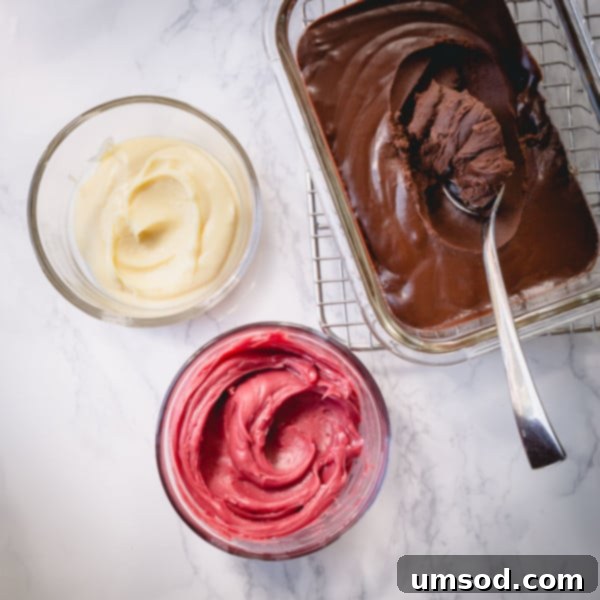
Creative Uses for Chocolate Ganache: Elevate Your Baking
Once you’ve mastered the art of creating silky smooth chocolate ganache, a world of dessert possibilities opens up. Its versatility makes it a beloved component in both professional and home kitchens.
- Cake Decoration: Create stunning drip cakes with a perfect, glossy cascade of chocolate ganache.
- Pastry Glazing: Give your éclairs and cream puffs a professional finish with a shimmering layer of pourable ganache.
- Macaron Filling: Fill delicate macaron shells with a rich, firm ganache for an irresistible treat.
- Cupcake Frosting: Top your favorite cupcakes with a generous swirl of light and airy whipped chocolate ganache.
- Decadent Truffles: Transform thick ganache into irresistibly indulgent chocolate truffles, rolled in cocoa powder or nuts.
- Fruit Fondue: Serve a vibrant platter of fresh fruits, marshmallows, and pretzels alongside a warm, runny ganache fondue.
- Cheesecake Topping: Smother a rich chocolate cheesecake with a smooth, pourable ganache topping.
- Pie and Tart Filling: Use a firm ganache as a rich and satisfying filling for chocolate pies and tarts.
- Donut Glaze: Dip freshly fried or baked donuts into warm ganache for a simple yet delicious glaze.
The possibilities are truly endless, limited only by your imagination!
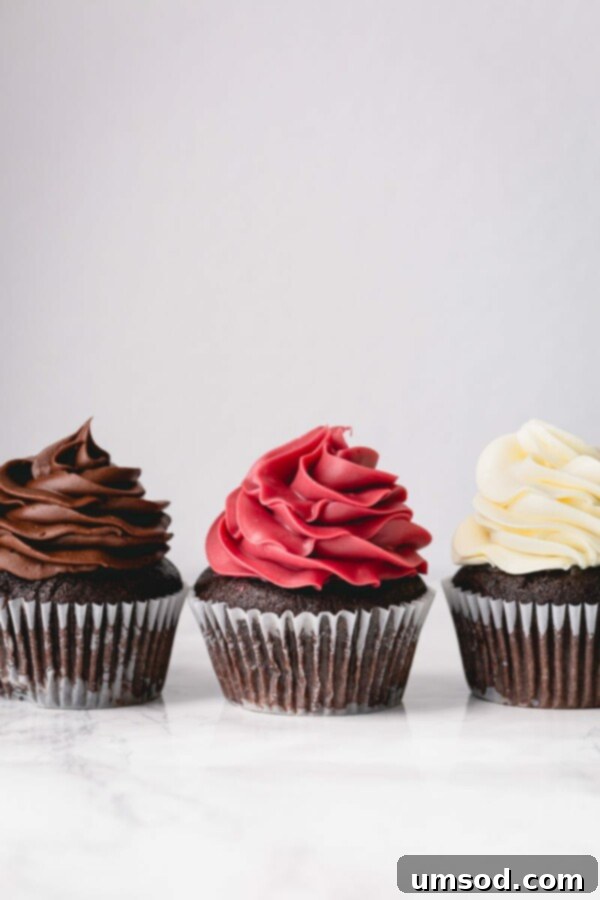
Exciting Ganache Variations to Explore
Beyond the classic chocolate ganache, there’s a world of flavor variations waiting to be discovered, allowing you to customize this versatile base to suit any occasion or palate.
- White Chocolate Ganache: As mentioned, white chocolate ganache is a delightful alternative. Remember to adjust the cream ratio slightly (use a little less cream) due to white chocolate’s different fat and sugar content. It’s wonderfully delicate and pairs beautifully with berries or citrus.
- Fruit-Flavored Ganache: Infuse your ganache with vibrant fruit flavors. You can use specialty flavored chocolates (like a raspberry-infused chocolate) or, for a more natural approach, fold in a small amount of concentrated fruit puree (such as raspberry, passion fruit, or mango) into your cooled ganache for a burst of fresh flavor.
- Dairy-Free Ganache: For those with dietary restrictions, a delicious dairy-free ganache is easily made by substituting heavy cream with full-fat canned coconut milk (ensure you use the thick cream from the top, not the watery liquid). The subtle coconut note can be a wonderful addition, especially with dark chocolate.
- Herb-Infused Ganache: Elevate your ganache with aromatic herbs and spices. Simply steep fresh herbs like mint, rosemary, or even a hint of chili flakes in the cream as it heats. Strain the cream before pouring it over the chocolate for a sophisticated, nuanced flavor profile.
- Liquor-Infused Ganache: Add a touch of sophistication by stirring in your favorite liqueur or spirit once the ganache has cooled slightly. Grand Marnier, Kahlúa, rum, Irish cream, or various fruit brandies can add a delicious depth and complexity.
- Espresso Powder: For an intensely richer chocolate flavor without adding a coffee taste, stir in a small amount of instant espresso powder or finely ground coffee. It deepens the chocolate notes beautifully.
- Nut Butter Ganache: Incorporate a spoonful of smooth peanut butter, almond butter, or hazelnut spread into your warm ganache for a delightful nutty twist, perfect for fillings or truffles.
How to Make Chocolate Ganache
Here’s everything you need to know to make a perfectly smooth chocolate ganache. Master this ultimate pastry element to elevate your baking to the next level.
Ingredients
- 1 cup (240 ml) heavy whipping cream
- 8 oz (240 g) semi-sweet chocolate
- 1/4 teaspoon coarse kosher salt
- 1 tablespoon unsalted butter softened, optional
Instructions
- Roughly chop chocolate with a sharp knife and place in a large bowl.
- Heat heavy whipping cream in a microwave for 1-2 minutes, or until hot. (Alternatively, you can heat the cream on stovetop until almost boiling, but not quite to a boil.)
- Pour hot cream over chopped chocolate and let it sit for good 2-3 minutes.
- Add salt and whisk the mixture gently from the center, stirring in one direction and slowly incorporating cream into the chocolate, until it’s nice and smooth, about 2 minutes. (NOTE: As you stir the mixture, it’ll go through a few stages. At some point, it’ll look questionable, and you may wonder if you had messed up somehow. But don’t you worry; it’ll come together in just a little bit. Keep stirring gently until the mixture is glossy smooth and flawless.)
- TIP: If ganache is smooth for the most part, but you notice some solid chocolate in it (especially if you’re using chocolate chips), you may need to heat it up gently. Here’re 2 ways to go about it: 1. Microwave it in 30-second increments at 50% power, stirring each time, until all the chocolate is melted. 2. Or place the bowl with ganache over double boiler and gently heat the ganache until all the chocolate is melted.
- To add some shine: You may stir in butter, if desired.
- When ganache is warm, it’s quite runny, which is perfect for glazing or drizzling. Ganache thickens as it cools, if you want more frosting-like texture. You can also reheat it in a microwave in 15-second increments at 50% power to make it runny again.
⭐️ Did you make this recipe?
Please leave a review and let us know how you liked it!
Tips & Notes
Storing Tips: 1. Store ganache in the fridge for up to 5 days. 2. You can also freeze ganache in an airtight container for up to 1 month. Thaw in the fridge overnight.
Note on Chocolate: Use the best quality chocolate you can get. My go-to is Ghirardelli semi- or bittersweet chocolate bars. You can use chocolate chips to make a ganache, but keep in mind that chocolate chips contain stabilizers to hold their shape at high temperature (think, chocolate chip cookies!), which makes them harder to melt. Check out this post for white chocolate ganache.
Note on Butter: Butter not only adds a nice shine to ganache, it also makes it ultra-soft, which is especially great if it’s used as a frosting.