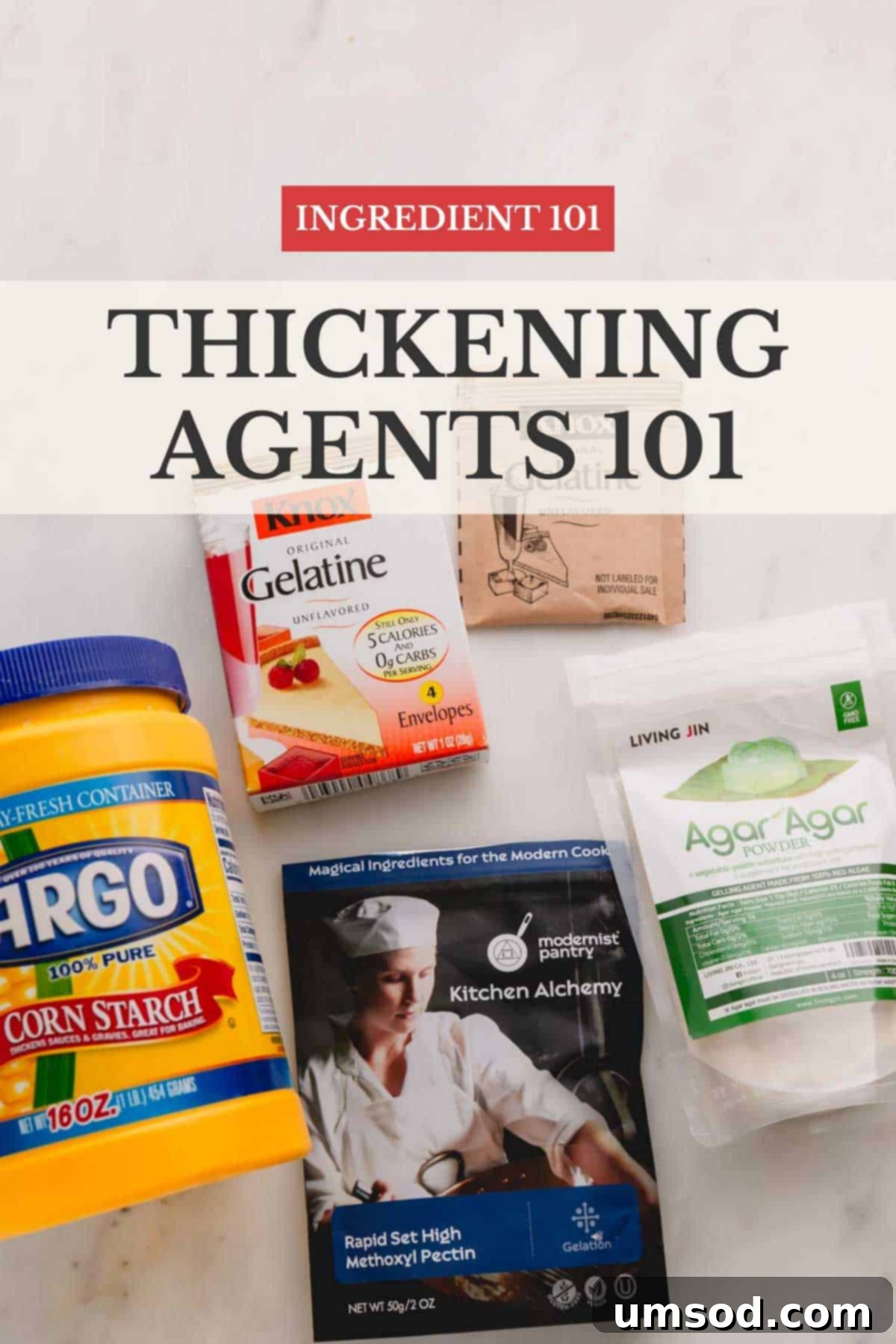
Unlock the secrets to perfectly textured dishes with our comprehensive guide to thickening agents! Whether you’re aiming for a silky-smooth sauce, a delightfully wobbly jelly, or a rich, creamy dessert, understanding how to use these culinary powerhouses is essential. From common kitchen staples like cornstarch and gelatin to versatile plant-based alternatives like pectin and agar-agar, we delve into each agent’s unique properties, best uses, and crucial tips for flawless results. Elevate your cooking and baking by mastering the art of thickening, ensuring your creations always hit the right note of deliciousness and ideal consistency.
Pin this guide now to easily find it later!
Pin It
What are Thickening Agents? Defining Their Culinary Role
At their core, thickening agents are essential ingredients that transform the texture of liquids, making them thicker, more viscous, or even solidifying them into gels. They achieve this by altering the flow properties of a liquid without significantly changing its flavor. This remarkable ability makes them indispensable in countless culinary applications, from adding body to sauces and gravies to creating the delightful chewiness of marshmallows or the satisfying firmness of a fruit jelly.
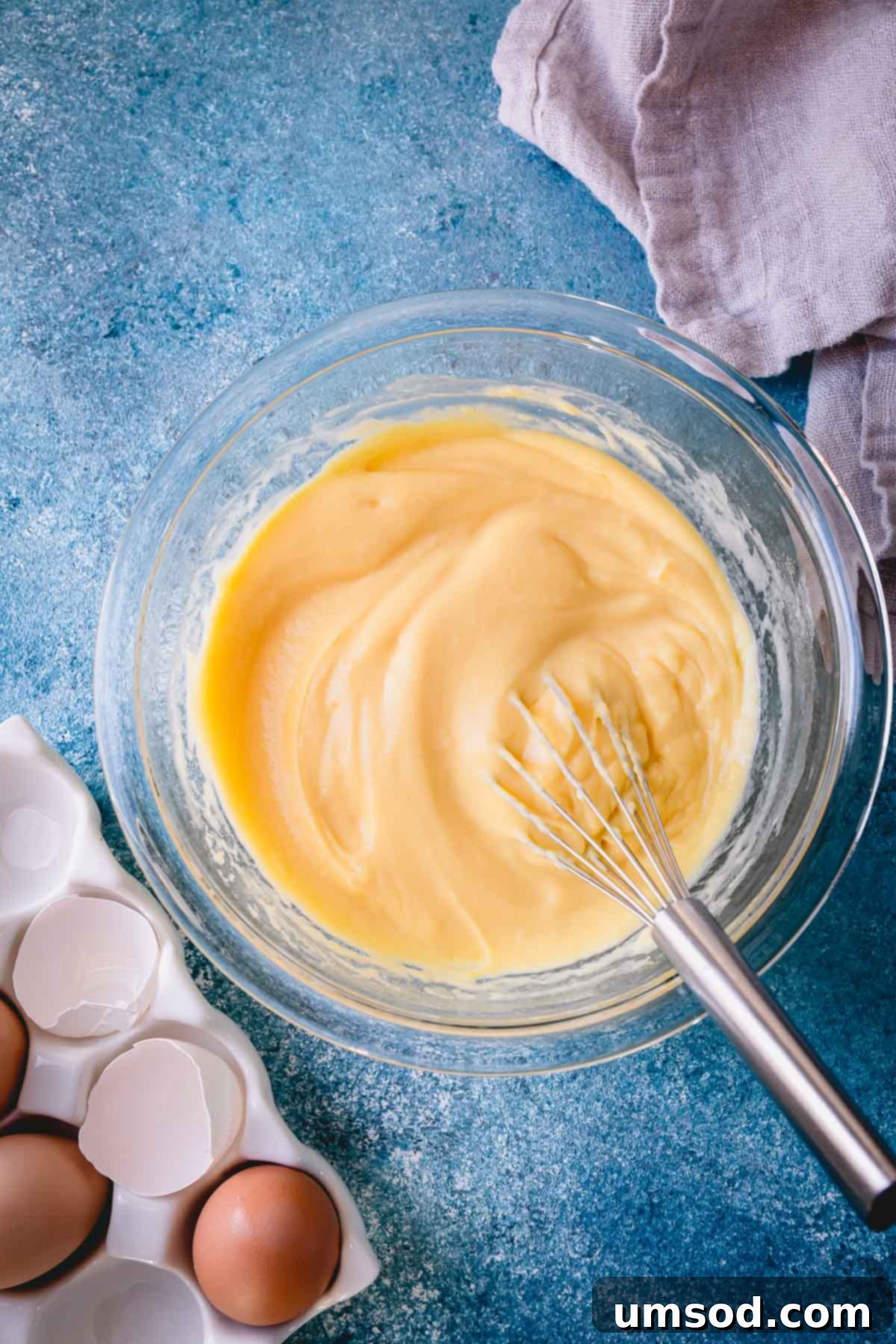
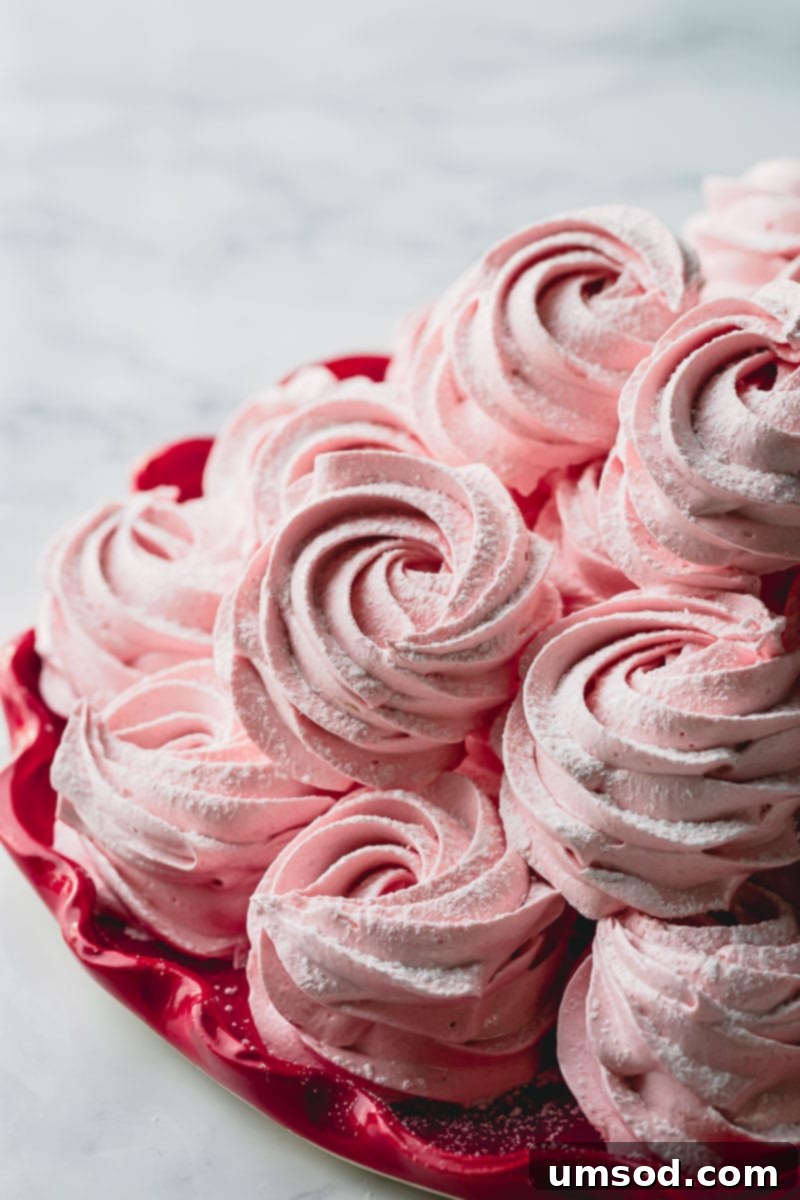
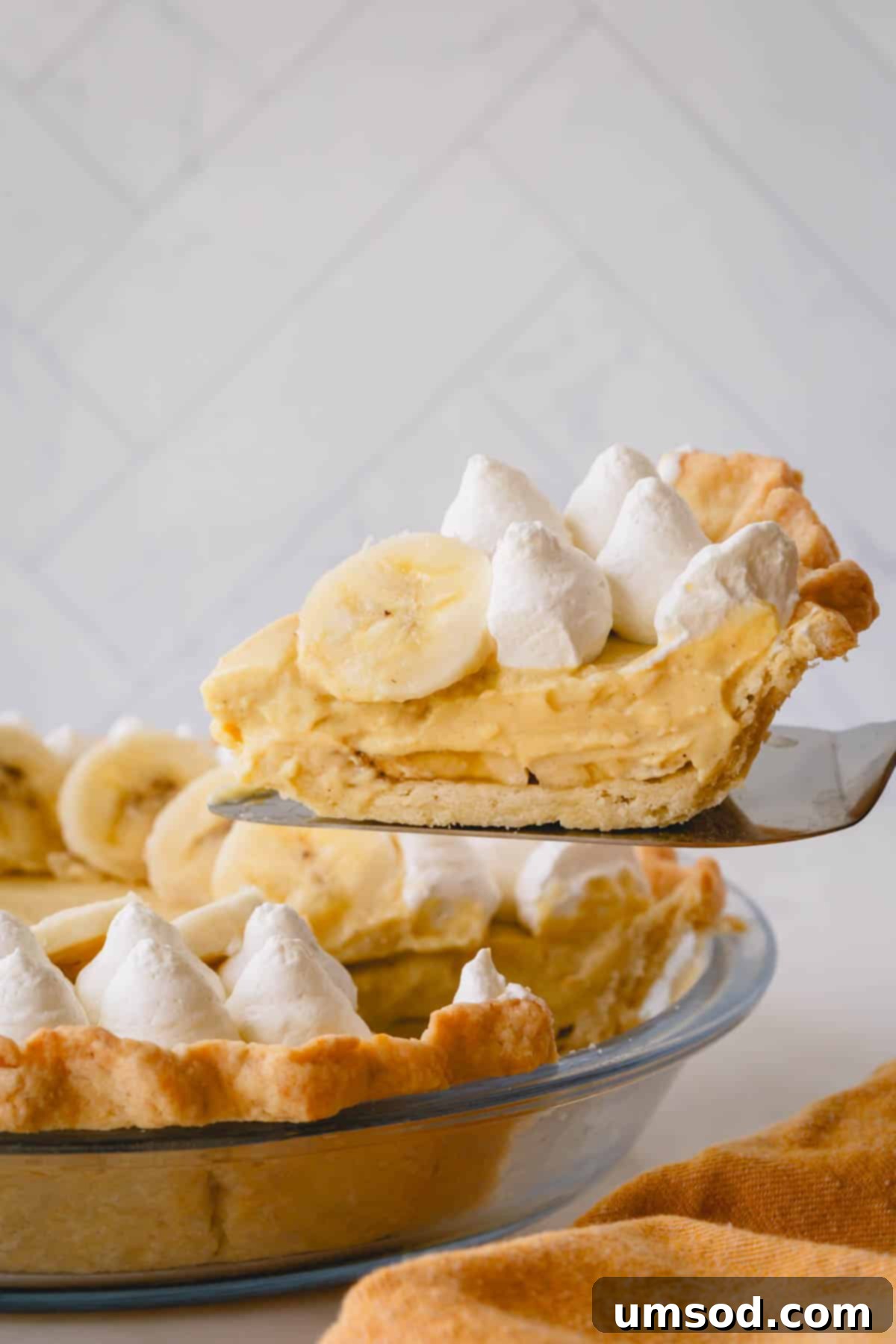
Think about the sheer versatility these agents bring to the kitchen. Without them, we couldn’t enjoy the luxurious smoothness of a velvety pastry cream, the comforting richness of a perfectly set banana cream pie, or the light, airy bounce of homemade marshmallows. They are the silent heroes behind countless delicious experiences, playing a critical role in controlling the mouthfeel and stability of a dish.
Understanding thickening agents goes beyond simply knowing what they are; it involves appreciating the science behind how they work. Most thickening agents operate by absorbing liquid, swelling, and trapping water molecules, thereby increasing the viscosity of the mixture. This process, often triggered by heat or specific chemical reactions, allows them to create everything from a delicate glaze to a firm, sliceable gel. Mastering these agents empowers you to control the consistency of your culinary creations with precision and confidence.
Exploring the Diverse Types of Thickening Agents
The world of thickening agents is vast and varied, offering a spectrum of textures and applications. Each type brings unique characteristics to your dishes, influencing everything from clarity and stability to mouthfeel and shelf life. Let’s delve into some of the most common and versatile thickening agents you’ll encounter in the kitchen.
Gelatin: The Classic Gelling Agent
What is Gelatin?
Gelatin is an animal-derived thickening agent, predominantly sourced from collagen found in animal bones, connective tissues, and hides. When hydrated and heated, it forms a thermo-reversible gel, meaning it melts when warm and sets again when cooled. This unique property makes it a staple in countless recipes, from childhood favorites like Jell-O to sophisticated desserts and savory dishes.
Beyond its iconic role in wobbly desserts, gelatin contributes to the delightful texture of marshmallows, gummy candies, and even some intricate pies and cakes, providing a pleasant chewiness and stability. Its ability to create a smooth, melt-in-your-mouth texture without imparting any flavor makes it incredibly versatile for both sweet and savory applications.
Forms of Gelatin and Understanding Bloom Strength
Gelatin is commonly available in three forms: granules, powder, and sheets (also known as leaf gelatin). While all forms achieve similar results, their strength and how they are measured can differ. Gelatin’s gelling power is quantified by its “bloom strength,” which typically ranges from 50 to 300 bloom. A higher bloom number indicates a stronger gelling agent, meaning you’ll need less of it to achieve the same set.
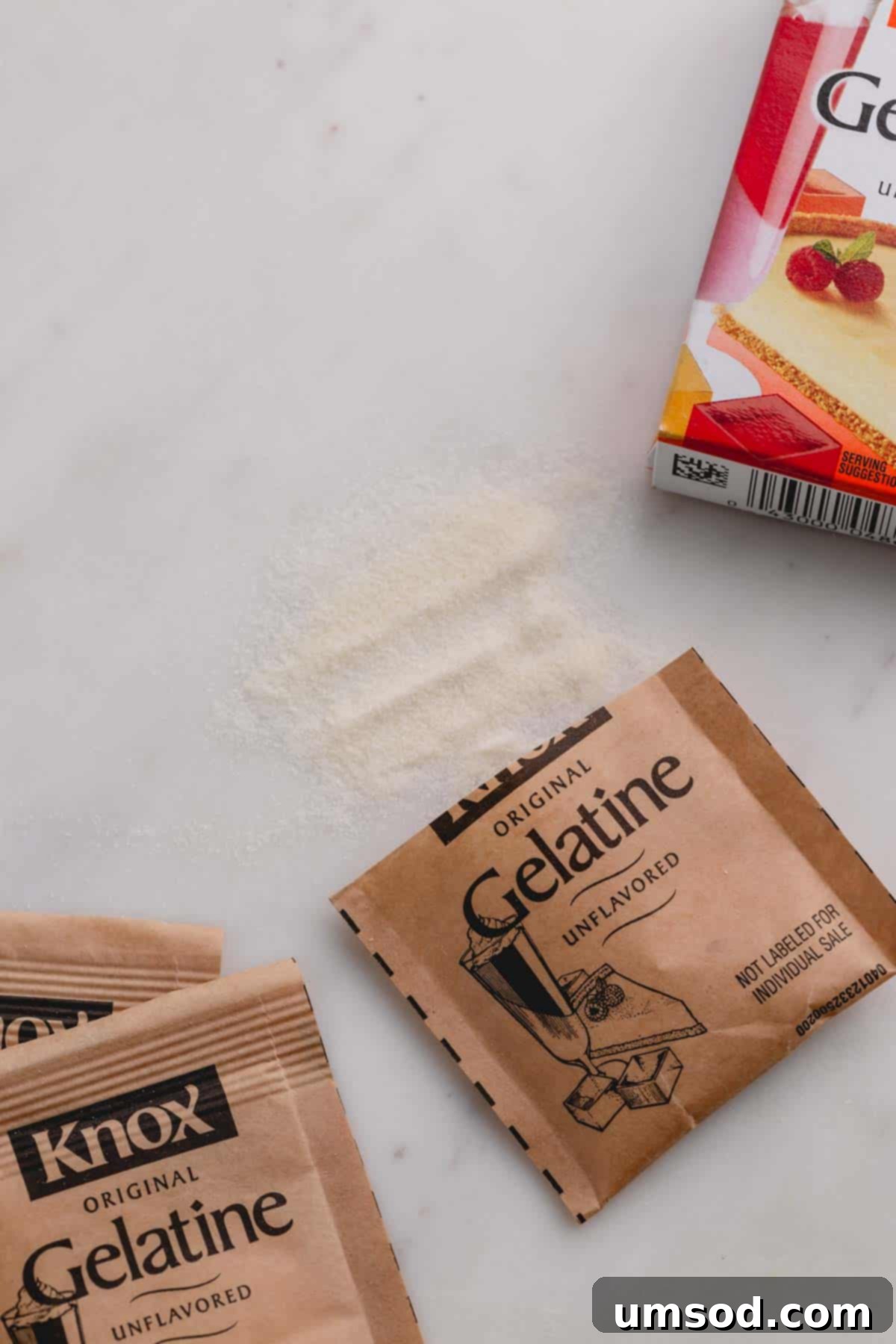
In the U.S., Knox brand unflavored gelatin is widely used and boasts a 250 bloom strength. A single packet of Knox gelatin, weighing approximately 7 grams (2.5 teaspoons or 1 tablespoon), is generally sufficient to set 2 cups (500ml) of liquid into a firm gel. Always check the bloom strength specified in your recipe or on the packaging of your gelatin to ensure accurate measurement and desired consistency.
How to Substitute Gelatin with Different Bloom Strengths
Substituting gelatin with a different bloom strength requires a simple calculation to maintain your recipe’s intended consistency. The goal is to use an equivalent amount of gelling power.
For example, if a recipe specifies 5 grams of sheet gelatin with a 160 bloom and you only have powdered gelatin with a 250 bloom:
Use the formula: (Bloom strength of required gelatin / Bloom strength of available gelatin) x Required weight = Adjusted weight.
So, (160 / 250) x 5g = 0.64 x 5g = 3.2g. Therefore, you would use 3.2 grams of your 250 bloom powdered gelatin.
Proper Usage of Gelatin for Optimal Results
- Using Powdered Gelatin: To activate powdered gelatin, first “bloom” it. Sprinkle the measured amount evenly over cold water in a shallow dish, ensuring every granule is in contact with the water. Allow it to sit undisturbed for 5 to 10 minutes; it will absorb the water and swell, becoming a soft, translucent mass. Once bloomed, gently heat it (either in a microwave for short bursts or over a double boiler) until it fully dissolves into a clear liquid. Only then should you incorporate it into your hot liquid ingredients, mixing thoroughly.
- Using Gelatin Sheets: For gelatin sheets, submerge the individual sheets completely in a bowl of cold water for about 5 to 10 minutes until softened and pliable. Squeeze out any excess water gently, then add the softened sheets directly into hot liquid (not boiling) and stir until fully dissolved.
PRO TIP: Several factors can significantly impact gelatin’s gelling ability:
- Acidity and Salt: High levels of salt and strong acids (pH below 4), such as those found in lemon juice or vinegar, can decrease gelatin’s gelling power, sometimes requiring you to use a slightly higher quantity.
- Sugar, Milk, and Alcohol: Conversely, ingredients like sugar, milk, and alcohol can increase gelatin’s gelling ability or make the gel firmer. This is why some desserts with high sugar content might set more firmly.
- Certain Tropical Fruits: Beware of fresh pineapple, papaya, kiwi, and passion fruit. These fruits contain proteolytic enzymes (bromelain, papain, actinidin) that break down collagen, destroying gelatin’s gelling ability. To use these fruits with gelatin, they must first be cooked to at least 185°F (85°C) to denature and deactivate these enzymes. Canned versions of these fruits are usually safe as they have already been heat-treated.
Pectin: Nature’s Jamming Agent
What is Pectin?
Pectin is a naturally occurring plant-based polysaccharide found in the cell walls of fruits, vegetables, and some root crops. It’s the magical ingredient responsible for giving jams, jellies, and marmalades their characteristic spreadable, gel-like consistency. When heated in the presence of sugar and acid, pectin forms a network that traps liquid, creating a stable gel.
Almost all fruits and berries contain some level of pectin, as do some vegetables like carrots, beets, and pumpkin. However, the concentration varies greatly. Fruits naturally high in pectin include apples, cranberries, grapes, raspberries, and blackberries. These fruits will readily set into jam or jelly with minimal or no added commercial pectin. This is why a simple raspberry jelly recipe without added pectin often firms up beautifully.
Pectin’s activation is highly dependent on sufficient sugar content and acidity. It’s primarily used in recipes requiring a firm yet tender gel, making it indispensable for crafting homemade preserves, fruit coulis, and flavorful confitures.
Commercial Pectin vs. Natural Pectin: Knowing When to Use Which
Understanding the difference between commercial and natural pectin is key to successful jam and jelly making. Natural pectin is inherent in fruits and vegetables, with levels peaking just before full ripeness and gradually decreasing as fruit becomes overripe.
Commercial pectin, on the other hand, is extracted from high-pectin sources, most commonly apples or citrus peels, and is sold as a shelf-stable powder. It becomes invaluable when working with low-pectin fruits like strawberries, pears, or peaches, or when using overly ripe fruit where natural pectin levels have declined. Commercial pectin ensures a reliable set, allowing you to create perfect preserves regardless of your fruit’s natural pectin content. You’ll typically find it in the baking or canning aisle of most grocery stores.
Mastering the Use of Pectin
The method of using pectin depends on whether you’re relying on the natural pectin in your fruit or incorporating a commercial product.
When making preserves with natural pectin, the pectin within the fruit activates as the mixture reaches a specific temperature during heating, usually around 220°F (104°C). You’ll observe the fruit mixture transforming, becoming visibly thicker and jammy, indicating that the natural pectin is forming its gel structure. A simple “plate test” (dropping a small amount onto a cold plate to check for setting) can confirm readiness.
For commercial pectin, it is typically mixed with a small amount of sugar (to prevent clumping) and then stirred into the fruit mixture, usually before heating begins. The pectin then fully activates as the jelly mixture comes to a full, rolling boil. Always follow the specific instructions on your commercial pectin package, as different brands and types (e.g., liquid vs. powdered, regular vs. low-sugar) may have slightly different activation requirements.
What is Pectin NH? A Chef’s Favorite
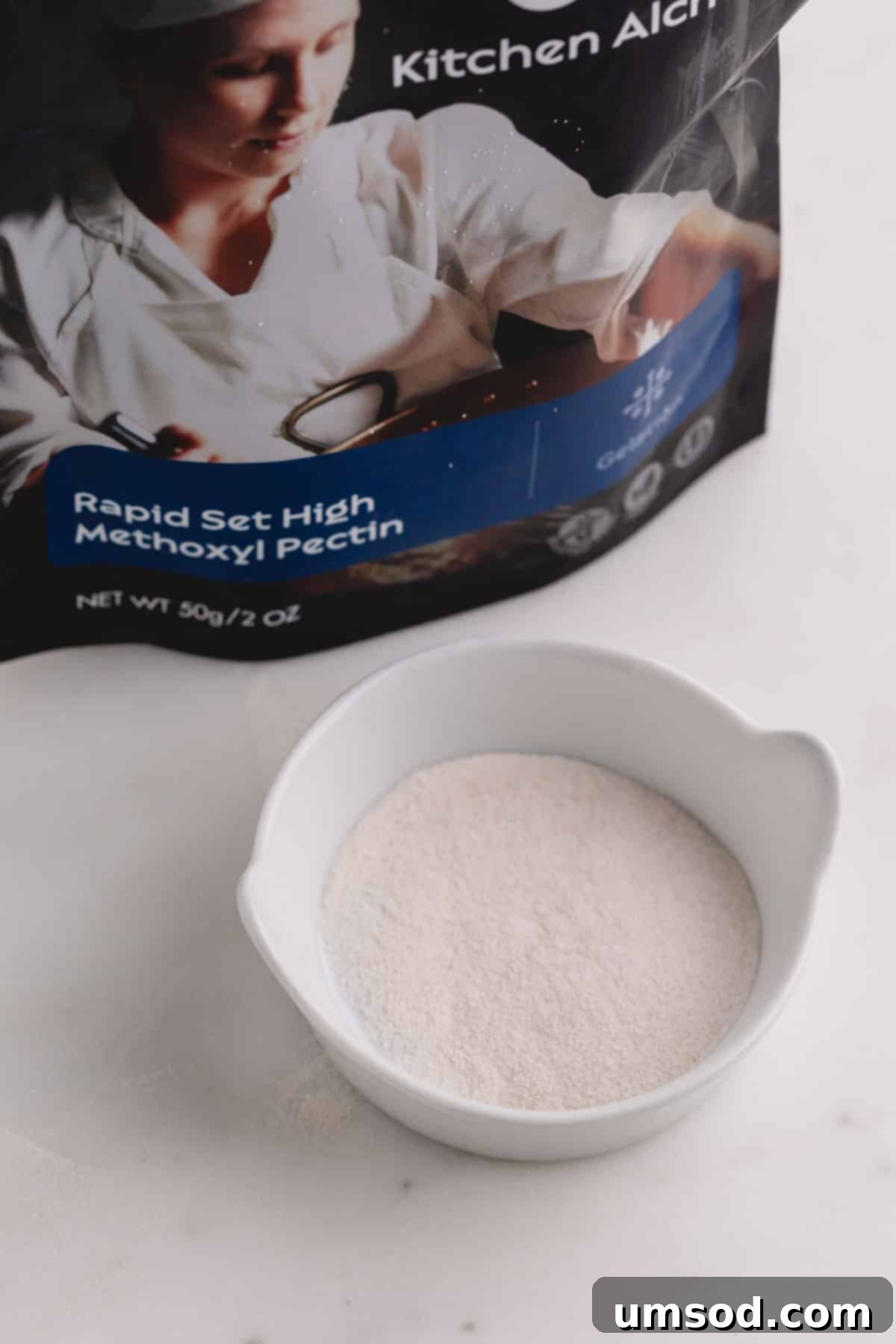
For professional bakers and serious home cooks, Pectin NH is a standout choice, especially for fruit fillings in French macarons and other delicate pastries. Pectin NH is a type of low methoxyl (LM) pectin, and its primary advantage lies in its thermo-reversibility. This means that a filling set with Pectin NH can be re-melted by heating and will re-set upon cooling, making it ideal for applications where you might need to adjust consistency or reuse a filling.
Another significant benefit of Pectin NH over traditional high methoxyl (HM) pectins is that it doesn’t require a high amount of sugar to activate its thickening and gelling properties. This allows for the creation of less sweet fruit preparations, letting the natural flavor of the fruit shine through, a crucial aspect in refined confectionery.
Starches: Cornstarch and Tapioca Starch – The Workhorses of Thickening
Starches are among the most common and accessible thickening agents, renowned for their ability to quickly create smooth, opaque, or glossy finishes in a wide array of dishes. Derived from various plants, these fine powders work by a process called gelatinization, where starch granules absorb liquid and swell when heated, thereby increasing the viscosity of the mixture.
What is Cornstarch?
Cornstarch, a gluten-free and flavorless white powder extracted from the endosperm of corn kernels, is a ubiquitous thickener in kitchens worldwide. It’s celebrated for its potent thickening power, often requiring less quantity than flour to achieve similar results, and its rapid action, thickening mixtures in just minutes. It’s a go-to for soups, gravies, sauces, and many desserts, including the irresistibly smooth texture of homemade vanilla pudding.
The magic of cornstarch lies in its interaction with heat. When mixed with cold water, it remains inert. However, once this slurry is added to a hot liquid and brought to a simmer, the starch granules rapidly absorb water, swell, and burst, releasing amylose and amylopectin molecules that entangle and thicken the liquid. This process results in a glossy, somewhat opaque finish, making it perfect for fruit pie fillings and glazes.
Best Practices for Using Cornstarch
For consistent, lump-free results, cornstarch is a virtually foolproof thickening agent, provided it’s prepared correctly as a “slurry” first. A slurry ensures even distribution of the starch granules and prevents clumping when introduced to hot liquids.
To create a cornstarch slurry, whisk together one part cornstarch with two parts cold water (e.g., 1 tablespoon cornstarch with 2 tablespoons cold water) until completely smooth. Once prepared, slowly pour this slurry into your hot liquid while stirring constantly. Continue to heat the mixture to a gentle simmer, stirring gently, until it thickens to your desired consistency. Avoid vigorous boiling once thickened, as prolonged high heat can break down the starch and cause the mixture to thin again.
Cornstarch Don’ts: Avoid These Common Mistakes
- Do NOT add cornstarch directly to hot liquid: Always make a slurry with cold water first. Adding dry cornstarch directly to hot liquid will cause it to clump instantly, creating an unappetizing, uneven texture.
- Do NOT boil the thickened mixture excessively: While heat is necessary to activate cornstarch, prolonged or vigorous boiling (more than 2-3 minutes of gentle simmering) after it has thickened can break down the starch molecules. This can lead to a thinner, less effective sauce or pudding. Simmer just long enough for it to reach full thickness.
- Do NOT whisk vigorously once thickened: Excessive agitation can also break down the fragile starch network, causing the liquid to thin out. Stir gently and as needed to prevent scorching.
What is Tapioca Starch?
Tapioca starch, also known as tapioca flour, is a gluten-free, white flour extracted from the starchy root of the cassava plant. It’s a fantastic alternative to cornstarch, offering a distinct set of advantages in culinary applications. Tapioca starch thickens liquids to a glossy, clear consistency, which is particularly desirable for fruit fillings and glazes where you want the vibrant color of the ingredients to shine through.
Beyond its role as a thickener for soups, sauces, and stews, tapioca starch is a common component in gluten-free flour blends, contributing to the elasticity and texture of baked goods. It’s also the star ingredient for making classic tapioca pudding and, of course, the chewy pearls found in popular boba tea beverages!
Effectively Using Tapioca Starch
Similar to cornstarch, tapioca starch performs best when first prepared as a slurry before being incorporated into a hot liquid. This ensures a smooth, lump-free result.
To create a tapioca starch slurry, combine equal parts tapioca flour with cold water. Whisk vigorously until the mixture is smooth and free of lumps. Once your hot liquid is simmering, gradually whisk in the tapioca slurry. Heat gently until the desired thickness is achieved. Tapioca starch thickens quickly, creating a glossy, transparent finish that holds up well during freezing and reheating.
TIP: While heat is crucial for activating tapioca starch, avoid bringing your liquid to a vigorous boil once the tapioca has been added and the mixture has thickened. Prolonged or intense boiling can cause the tapioca starch molecules to break down, resulting in a thinner, less effective thickening agent. Gentle simmering is key to maintaining its integrity and thickening power.
Agar-Agar: The Vegan Gel Powerhouse
What is Agar-Agar?
Agar-agar, often simply called “agar,” is a remarkable plant-based gelling agent derived from red algae, specifically certain species of seaweed. It serves as an excellent vegan and vegetarian alternative to gelatin, creating firm, clear gels that are stable at room temperature, a significant advantage over gelatin which requires refrigeration to maintain its set.
Agar-agar is a staple in Asian cuisine and is gaining popularity worldwide for its versatile applications in desserts like jellies, puddings, fruit tarts, and even savory aspics. It typically comes in powdered, flake, or strand form, with the powder being the most potent and easiest to measure precisely. Agar gels have a firmer, slightly brittle texture compared to the elastic, wobbly nature of gelatin gels. Furthermore, like Pectin NH, agar-agar is thermo-reversible, meaning a set gel can be re-melted and re-set, offering flexibility in culinary preparation.
TIP: Agar-agar products come in varying strengths, often indicated by numbers such as agar-agar 700, 900, or 1200. A higher number denotes a stronger gelling capacity. It is crucial to pay close attention to the specific strength recommended in your recipe to ensure the proper set and texture, as substituting without adjustment can lead to an overly firm or too soft gel.
Mastering the Use of Agar-Agar
Using agar-agar requires a specific method to ensure full dissolution and proper gelling. For both powdered and flake forms, it must first be fully dissolved in liquid and then brought to a boil.
For agar-agar powder: It’s best to combine the measured agar powder with any sugar called for in your recipe before adding it to cold water or liquid. This helps disperse the powder and prevents clumping. Whisk well, then place over medium heat. Bring the mixture to a full boil, then reduce heat and simmer for 1-2 minutes, stirring occasionally, until the powder is completely dissolved. Once dissolved, you can add it to your other ingredients. The mixture will begin to set as it cools, often within minutes.
For agar-agar flakes: The process is similar, but flakes take longer to dissolve due to their larger particle size. Submerge the flakes in cold liquid, bring to a boil, and then simmer for 5-10 minutes, stirring frequently, until they are fully dissolved. You may need a slightly higher quantity of flakes compared to powder for the same gelling strength.
Always remember that agar-agar sets much more quickly and firmly than gelatin, so work efficiently once it’s dissolved and ensure all ingredients are ready for mixing.
Beyond the Basics: Other Essential Thickening Techniques
While specific thickening agents are powerful tools, sometimes a dish benefits from other thickening techniques or combinations thereof. These methods often provide foundational structure or temporary stability that complements the work of our primary agents.
- Roux – A cornerstone of classic French cooking, a roux is a cooked mixture of equal parts fat (typically butter) and flour. It’s primarily used as a foundational thickener for rich cream sauces (like béchamel), gravies, and hearty soups. The flour in the roux absorbs the fat and swells when liquid is added, creating a smooth, stable, and flavorful thickener. Rouxs come in different stages – white, blond, and brown – each offering a distinct color and nutty flavor profile. While all-purpose wheat flour is standard, gluten-free flour blends containing thickening agents like tapioca or cornstarch can also be used to create a gluten-free roux.
- Slurry – As discussed with cornstarch and tapioca, a slurry is simply a thickening agent (usually a starch) dispersed in a cold liquid, most commonly water. This pre-mixing step is crucial for preventing lumps when adding starches to hot liquids. The cold liquid separates the starch granules, allowing them to hydrate evenly when introduced to heat, leading to a smooth, consistent thickening without clumping. Starches like arrowroot and potato starch are also excellent candidates for slurries.
- Emulsion – An emulsion is a stable mixture of two or more liquids that normally wouldn’t combine, such as oil and vinegar. While not a thickening agent in the traditional sense, forming an emulsion can temporarily increase the viscosity and body of a mixture. Emulsions are created by vigorously whisking, blending, or shaking the ingredients, causing one liquid to disperse into tiny droplets within the other, forming a cohesive and often thicker mixture. Think of classic vinaigrettes, mayonnaise, or hollandaise sauce – these are all thickened through emulsification, creating a rich mouthfeel even without added starches or gums.
Proper Storage for Longevity and Potency of Thickening Agents
Proper storage is key to maintaining the effectiveness and shelf life of your thickening agents. Fortunately, most common thickeners are quite stable and require similar storage conditions. Gelatin, pectin, cornstarch, tapioca starch, and agar-agar are all shelf-stable ingredients. To ensure they remain potent and free from moisture and pests, always store them in airtight containers. These containers should then be kept in a cool, dry cabinet or pantry, away from direct sunlight and sources of heat, which can degrade their active compounds over time. Avoid storing them near the stove or in areas prone to humidity, as moisture can cause clumping and reduce their thickening power.
Frequently Asked Questions About Thickening Agents
Absolutely! If you’re following a gluten-free diet, you’re in luck. All of the primary thickening agents discussed in this guide – gelatin, pectin, cornstarch, tapioca starch, and agar-agar – are naturally gluten-free. This makes them safe and versatile choices for thickening a wide array of gluten-free dishes, from sauces and soups to desserts and baked goods. Always double-check labels if you have severe allergies to ensure there’s no cross-contamination during processing.
Beyond the specific agents listed here, several other ingredients can contribute to thickening food, each with its unique properties and applications. These include various types of flour (like all-purpose, whole wheat, or rice flour, often used in a roux or direct addition), potato starch (known for producing clear, stable gels), arrowroot powder (a good substitute for cornstarch, especially for acidic liquids or freeze-thaw stability), chia seeds (which form a gel when hydrated), and ground flax seeds (similar gelling properties to chia). However, using these often requires specific techniques or careful measurements to achieve the desired consistency, so it’s always recommended to consult specific recipes or conduct your own research before experimenting.
While many thickeners exist, cornstarch holds the title as the most commonly used thickening agent in general cooking and baking. Its widespread popularity stems from its ease of availability, affordability, rapid thickening action, and ability to produce a smooth, appealing texture in most recipes. It’s a versatile choice for everything from gravies and stir-fry sauces to puddings and pie fillings, making it a true kitchen staple.
Enhance Your Culinary Skills with More Helpful Kitchen Guides:
- How to Make Meringue (Meringue 101): Master the art of perfect meringue peaks and textures.
- Butter 101: Your Essential Guide to Butter Types and Uses: Dive into the world of butter, from sweet to savory applications.
- Dill 101: A Comprehensive Guide to This Aromatic Herb: Learn how to incorporate fresh dill into your dishes for vibrant flavor.
- Lemon 101: Unlocking the Zest and Juice of This Versatile Fruit: Discover creative ways to use lemons in cooking and baking.