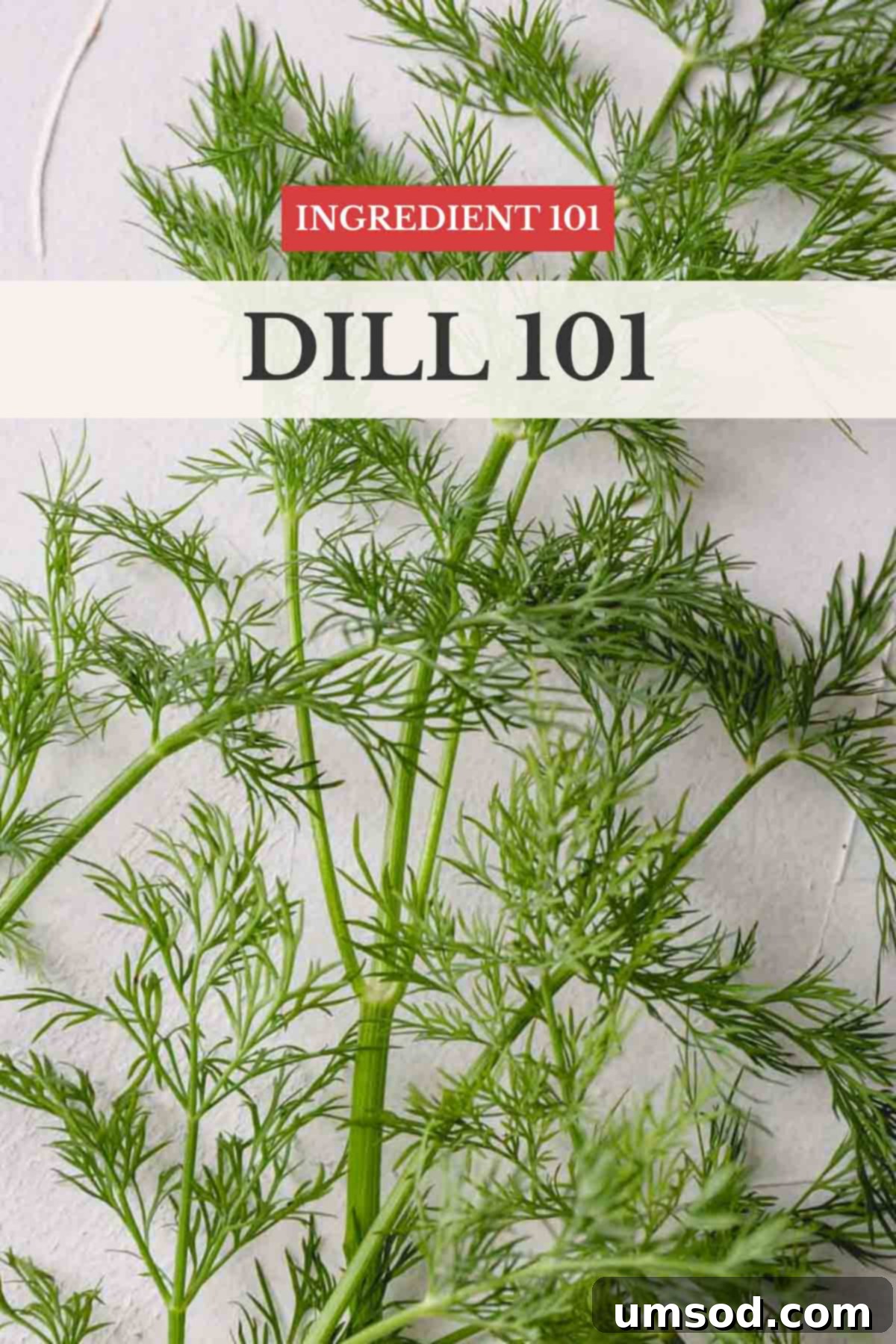
Far from being confined to the humble pickle jar, dill is a remarkably versatile and vibrant herb that boasts a rich history, distinctive flavor, and impressive health benefits. Often celebrated for its fresh, earthy notes and subtle sweetness, this aromatic plant has carved out a special place in kitchens around the globe. Whether you’re a seasoned chef or a curious home cook, understanding dill’s nuances can elevate your culinary creations to new heights. This comprehensive guide, your ultimate resource for all things dill, will delve into everything from its botanical origins and unique taste profile to practical tips for purchasing, storing, and cooking with both fresh and dried varieties. Prepare to unlock the full potential of this delicate green wonder and discover why it’s so much more than just a garnish!
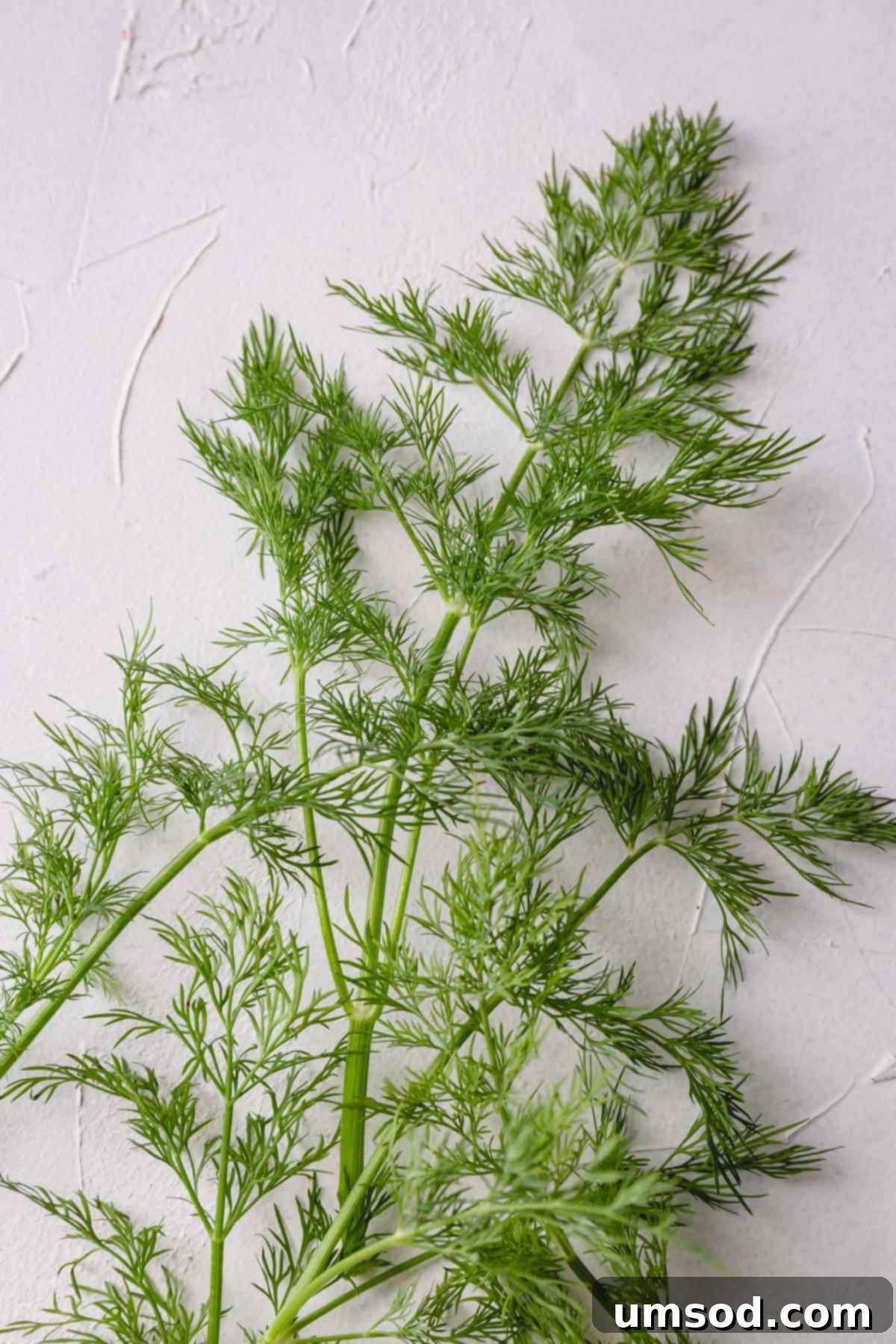
Fresh dill, with its delicate feathery fronds and unmistakable aroma, is a beloved herb that adds a burst of lively flavor to an incredible array of dishes. From Scandinavian gravlax to Mediterranean tzatziki, and Eastern European borscht, its presence is truly global. This article will provide you with all the essential knowledge about this exquisite and often underestimated herb, ensuring you can confidently incorporate it into your cooking.
What is Dill? Exploring the Dill Herb
Dill, scientifically known as Anethum graveolens, is a herbaceous annual plant belonging to the celery family, Apiaceae. This family also includes other popular culinary plants like carrots, parsley, and parsnips, which explains some of the shared aromatic characteristics. The part we commonly refer to as “dill weed” or “fresh dill” consists of the plant’s leaves and delicate stems. It’s instantly recognizable by its bright green color, slender, hollow stems, and finely divided, fern-like leaves that are incredibly aromatic and soft to the touch. The entire plant, including its seeds, is edible and highly valued for its distinct flavor and fragrance.
Originally native to Western Asia and the Mediterranean region, dill has been cultivated for thousands of years, not only for its culinary uses but also for its medicinal properties. The delicate leaves are most frequently used to impart flavor to a wide variety of dishes, including refreshing salads, creamy sauces, hearty soups, classic potato dishes, and, of course, a perfect pairing for salmon and other seafood. Its versatility makes it a staple in countless culinary traditions.
What Does Dill Taste Like? Understanding Dill’s Unique Flavor Profile
The flavor of dill is truly distinctive and often evokes a sense of freshness and warmth. While many people’s initial association with dill comes from the ubiquitous dill pickle, its taste transcends this single application, offering a complex and surprisingly versatile profile. Fresh dill delivers a vibrant, earthy sweetness with bright, grassy undertones and a subtle, intriguing hint of anise or licorice. It’s light, clean, and refreshing, making it an excellent counterpoint to rich or heavy ingredients.
This unique combination of flavors allows dill to add a fresh, bright, and slightly tangy dimension to dishes that might otherwise taste flat or one-dimensional. It has a remarkable ability to lift and complement, rather than overpower, other ingredients. Depending on how it’s used and paired, dill can be bright and herbaceous, or contribute a mellow, sweet warmth. Its aromatic oils are responsible for this delightful complexity, making it a favorite for adding character to everything from everyday meals to gourmet creations.
Where to Buy Dill: Sourcing Fresh and Dried Dill
Finding dill for your culinary adventures is typically quite easy, as it’s a widely available herb in most grocery stores and farmers’ markets. Knowing where to look for both fresh and dried varieties can save you time and ensure you get the best quality.
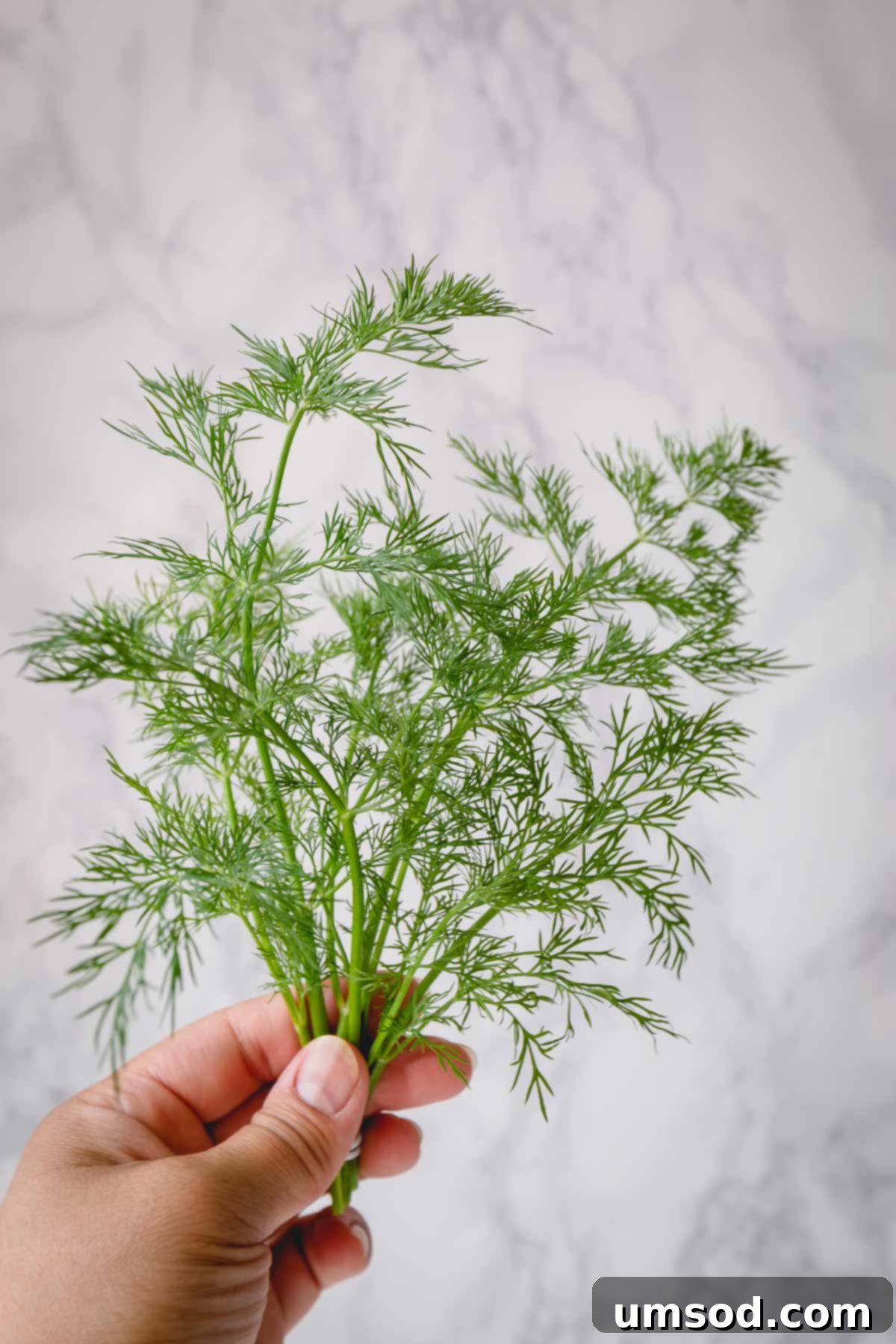
For **fresh dill**, head straight to the produce section of your grocery store. You’ll usually find it nestled among other popular fresh herbs like parsley, cilantro, and mint. It’s often sold in bunches, sometimes with its roots intact, allowing you to gauge its freshness by its vibrant color and crisp texture. If you’re having trouble locating a full bunch, many stores also offer smaller portions of fresh dill, often pre-packaged in clear plastic containers alongside other delicate herbs such as basil, thyme, and mint.
When selecting fresh dill, look for bright green leaves that are neither wilted nor yellowing. The stems should be firm and vibrant, and the herb should have a distinct, fresh aroma. Avoid any bunches that appear slimy, discolored, or have an off-putting smell, as these are signs of spoilage.
For **dried dill**, your search will lead you to the spice aisle of any major grocery store. It’s typically sold in small jars or pouches, either as “dill weed” (the dried leaves) or “dill seed” (the dried fruit of the plant, which has a stronger, more pungent flavor often used in pickling). Ensure the container is sealed properly to preserve its potency.
Fresh vs. Dried Dill: Understanding the Differences and When to Use Each
While both fresh and dried dill come from the same plant and offer its characteristic flavor, they behave quite differently in the kitchen. Understanding these distinctions is key to achieving the best results in your cooking.
Fresh Dill: The undisputed champion for vibrant presentation and a delicate, complex aroma, fresh dill brings a bright, herbaceous note to dishes. Its feathery texture and lively green color make it an excellent garnish, enhancing both the taste and visual appeal of your food. However, fresh dill is ephemeral; it’s quite perishable and typically lasts only about a week in the refrigerator before wilting and losing its potency. Its flavor is also more subtle and nuanced, requiring a larger quantity to achieve the same intensity as its dried counterpart.
Dried Dill: This form of dill, often labeled “dill weed,” is a convenient and long-lasting alternative. Unlike fresh dill, which needs to be consumed quickly, dried dill can retain its flavor and aroma for up to an entire year when stored properly in an airtight container away from light and heat. Visually, dried dill has a muted, dark greenish-gray hue, which means it’s generally not suitable for presentation purposes where the vibrant green of fresh dill is desired. The drying process concentrates the essential oils, resulting in a more potent and intense flavor profile. This means you’ll need significantly less dried dill to achieve the same flavor impact as fresh.
When to choose which:
- Use fresh dill for dishes where its vibrant color and delicate texture are important, such as garnishes for soups, salads, and seafood, or in fresh, uncooked preparations like dips, dressings, and creamy sauces. It’s also preferred in recipes where its subtle herbaceous notes are meant to shine.
- Opt for dried dill in cooked dishes that simmer for a longer time, like stews, roasts, and certain casseroles, where its concentrated flavor can meld beautifully. It’s also a practical choice when fresh dill is out of season, unavailable, or when you need a longer shelf life. For pickling, both fresh dill sprigs and dried dill seeds (which have an even more pungent flavor) are commonly used.
Conversion Tip
Due to the concentrated flavor of dried dill, a general rule of thumb for substitution is to **use three times as much fresh dill as dried dill** to achieve a comparable flavor intensity. For instance, if a recipe specifies one tablespoon of fresh dill, you would substitute it with approximately one teaspoon of dried dill. Always taste and adjust as needed, as personal preference and the freshness of your dried herbs can vary.
Storage & Freezing Dill: Maximizing Freshness and Flavor
Proper storage is paramount to extending the life of your fresh dill, preserving its vibrant color, aromatic flavor, and delicate texture. Like many fresh herbs, dill can wilt quickly if not cared for correctly. Fortunately, there are several effective methods for both short-term storage and long-term freezing.
How to Store Fresh Dill:
To keep your fresh dill at its peak for as long as possible, consider these methods:
- The “Flower Bouquet” Method: This is arguably the most popular and effective way to store fresh dill, much like you would a bouquet of flowers. Trim the ends of the dill stems and place them, stem-down, into a glass or jar filled with an inch or two of water. You can then cover the dill loosely with a plastic bag (like a produce bag) to create a humid environment and place it in the refrigerator. Change the water every day or two. This method can keep fresh dill vibrant for up to a week, sometimes even longer.
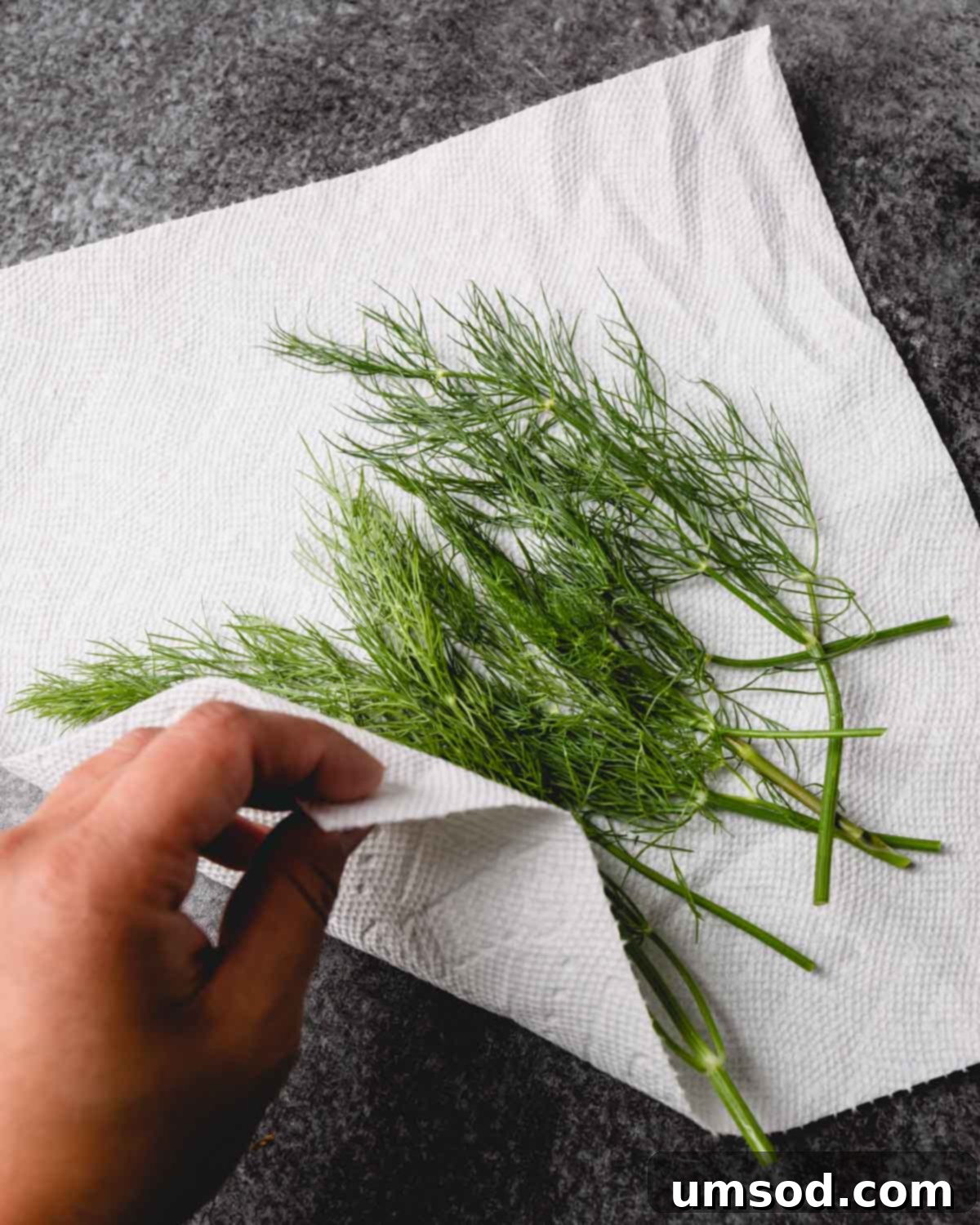
- Paper Towel & Container Method: Another reliable option involves wrapping. Begin by gently rinsing the dill under cool water and thoroughly drying it. Excess moisture can lead to spoilage. Lay the dried dill on a slightly damp paper towel, then loosely roll the dill within the paper towel. Place this rolled bundle inside an airtight container or a resealable plastic bag. Store it in the crisper drawer of your refrigerator. This method typically keeps dill fresh for about five to seven days.
- Signs of Spoilage: Always inspect your dill before use. If it starts to turn yellow, it indicates that it’s losing its quality and flavor. A sure sign of spoilage is when the dill feels slimy to the touch or develops an unpleasant odor – at this point, it’s best to discard it.
How to Freeze Fresh Dill:
Freezing is an excellent way to preserve dill’s flavor for several months, making it accessible even when fresh dill isn’t available. While frozen dill may lose some of its delicate texture and vibrant green color, its flavor remains largely intact, making it perfect for cooked dishes like soups, stews, and sauces.
- Flash Freezing Method: First, wash and thoroughly dry your fresh dill. Once completely dry, finely chop the leaves into small pieces. Spread the chopped dill in a single, even layer onto a parchment-lined baking sheet or shallow tray. Place the sheet pan in the freezer overnight until the dill pieces are individually frozen solid. This prevents them from clumping together. Once frozen, transfer the dill to a heavy-duty freezer bag or an airtight container, removing as much air as possible. For optimal flavor and quality, aim to use the frozen dill within 3 to 6 months. You can use it directly from frozen in most cooked applications.
- Freezing in Oil Cubes: This method is particularly convenient for adding dill to sauces, soups, or roasted vegetables. Chop the fresh dill as described above. Sprinkle the chopped dill into the compartments of an ice cube tray, filling each about half to two-thirds full. Top off the compartments with a neutral-flavored oil, such as olive oil or a light vegetable oil, ensuring the dill is fully submerged. Freeze the tray until the cubes are solid. Once frozen, pop the dill-oil cubes out and transfer them to a freezer bag or container. These flavor bombs can be added directly to your cooking, melting into the dish and infusing it with dill goodness.
Tips for Cooking with Dill: Maximizing Flavor and Freshness
Incorporating dill into your cooking is straightforward, but a few key tips can help you get the most out of this delightful herb, ensuring its unique flavor and aroma truly shine. Here are some essential ideas and guidelines to elevate your dill-infused dishes:
- Chop Just Before Use: To preserve dill’s delicate aromatic oils and maintain its vibrant appearance, always chop it right before you plan to add it to your dish. Pre-chopping can cause it to lose flavor and freshness quickly due to oxidation.
- A Perfect Garnish: Fresh, finely chopped dill makes an excellent garnish. Sprinkle it generously over creamy soups like borscht or potato soup, add it to green salads, or use it to finish off roasted vegetables. It adds a beautiful splash of green, a hint of freshness, and an appealing aroma.
- Add at the End of Cooking: Dill’s flavor is quite delicate and can diminish significantly with prolonged exposure to heat. For cooked dishes, it’s best to add fresh dill toward the very end of the cooking process, or even just before serving. This allows it to retain its potent, fresh flavor profile and bright color. For longer-simmering dishes, dried dill is often a better choice, added earlier to allow its concentrated flavor to meld.
- Dill Loves Creamy Textures: Dill has a remarkable affinity for creamy ingredients. It absolutely transforms creamy dips and dressings, adding a refreshing zing. Try incorporating it into homemade ranch dressing, a creamy yogurt sauce like tzatziki, a classic veggie dip, or even a simple vinaigrette for a fresh twist. It balances richness beautifully.
- Salmon’s Soulmate: The pairing of salmon and dill is a culinary classic, often described as a match made in heaven. The herb’s fresh, slightly anisy notes perfectly complement the richness of salmon. While popular with smoked salmon (think gravlax or lox), dill is equally fantastic with baked, grilled, pan-seared, or poached salmon of any kind.
- Beyond Breakfast: Don’t limit dill to lunch and dinner! A sprinkle of fresh dill can brighten up your breakfast. Add it to scrambled eggs, omelets, frittatas, or even a savory egg Benedict for an unexpected burst of flavor.
- Pickling Powerhouse: While dill pickles are famous, dill weed and dill seeds are crucial ingredients in a variety of other pickled vegetables, from cucumbers to green beans. Its unique flavor helps to create that signature tangy, aromatic brine.
- Potatoes and Dill: Another classic combination, dill pairs wonderfully with potatoes. Stir it into warm potato salads, sprinkle it over roasted potatoes, or add it to creamy mashed potatoes for an herbaceous twist.
Health Benefits of Dill: More Than Just a Flavorful Herb
Beyond its culinary appeal, dill offers a significant array of health benefits, making it a valuable addition to a balanced diet. This unassuming herb is packed with essential vitamins, minerals, and powerful plant compounds that contribute to overall well-being. Indeed, it’s fair to say that incorporating dill into your meals can do more than just tantalize your taste buds; it can actively support your health.
Dill is an excellent source of several key nutrients, particularly **Vitamin A**, **manganese**, and **iron**. Vitamin A is crucial for maintaining good vision, supporting a healthy immune system, and promoting proper cell growth. Manganese plays a vital role in bone health, carbohydrate and fat metabolism, and helps to support the proper functioning of your brain and nervous system. Iron is essential for red blood cell formation and oxygen transport throughout the body, helping to combat fatigue and maintain energy levels.
Furthermore, fresh dill is remarkably rich in **antioxidants**, which are compounds that protect your cells from damage caused by harmful free radicals. These antioxidants come from various potent plant compounds, including **flavonoids**, **terpenoids**, and **tannins**. Flavonoids, in particular, are well-regarded for their significant health benefits, especially for cardiovascular health. They are linked to a reduced risk of chronic diseases such as diabetes, certain types of cancer, and neurodegenerative conditions like dementia. The presence of these active compounds also contributes to dill’s traditional use as an aid for digestion and its potential anti-inflammatory properties. Research highlights dill’s various pharmacological effects, including its antioxidant, anti-inflammatory, and antimicrobial activities, further solidifying its status as a beneficial herb.
Dill Recipes: Inspiring Culinary Creations with Fresh Dill
Dill is a cornerstone ingredient in a vast array of beloved dishes, often stealing the spotlight in classic preparations. You’ll frequently find it enhancing the flavors of traditional dill pickles, creamy potato salad, refreshing cucumber salad, tangy ranch dressing, and delicate yogurt-based sauces. Its ability to brighten and balance flavors makes it an invaluable asset in the kitchen.
To truly experience where dill shines and elevates a dish from good to extraordinary, explore these delightful recipes that highlight its unique character. Each one offers a fantastic way to incorporate the fresh, aromatic essence of dill into your culinary repertoire, whether you’re looking for an impressive appetizer, a comforting main course, or a vibrant side dish:
- Dill Crepes with Smoked Salmon – These delicate, herbaceous crepes provide the perfect canvas for rich smoked salmon, creating an elegant and unique appetizer that’s both visually stunning and incredibly flavorful. The dill notes in the crepe batter beautifully complement the savory fish.
- Smoked Salmon Crostini – A sophisticated yet simple appetizer, this crostini features a creamy dill-infused cream cheese base, layered with luscious cold-smoked salmon and a vibrant tomato relish. Fresh dill is key to balancing the richness and adding a burst of freshness.
- Classic Beef Borscht – A hearty and comforting Eastern European classic, this beef borscht is loaded with tender vegetables and chunks of beef. A generous dollop of sour cream and a sprinkle of fresh dill are essential finishing touches, providing a bright counterpoint to the deep, earthy flavors of the soup.
- Cucumber Smoked Salmon Appetizer – For a light and refreshing bite, crisp cucumber slices are topped with a delightful combination of fresh dill, crumbled feta cheese, and savory smoked salmon. It’s a perfect example of how dill can elevate simple ingredients.
- Smoked Salmon Quiche – This quiche gets a gourmet upgrade with the addition of tender asparagus, luxurious smoked salmon, aromatic dill, and sharp cheddar cheese. The dill enhances the seafood and vegetable notes, creating a rich yet balanced brunch or light dinner option.
- Cucumber Edamame Salad – A vibrant and refreshing spring salad, this dish combines crisp cucumbers, juicy tomatoes, nutritious edamame, and a generous amount of fresh dill. The dill ties all the fresh flavors together, making it a perfect light side or healthy lunch.