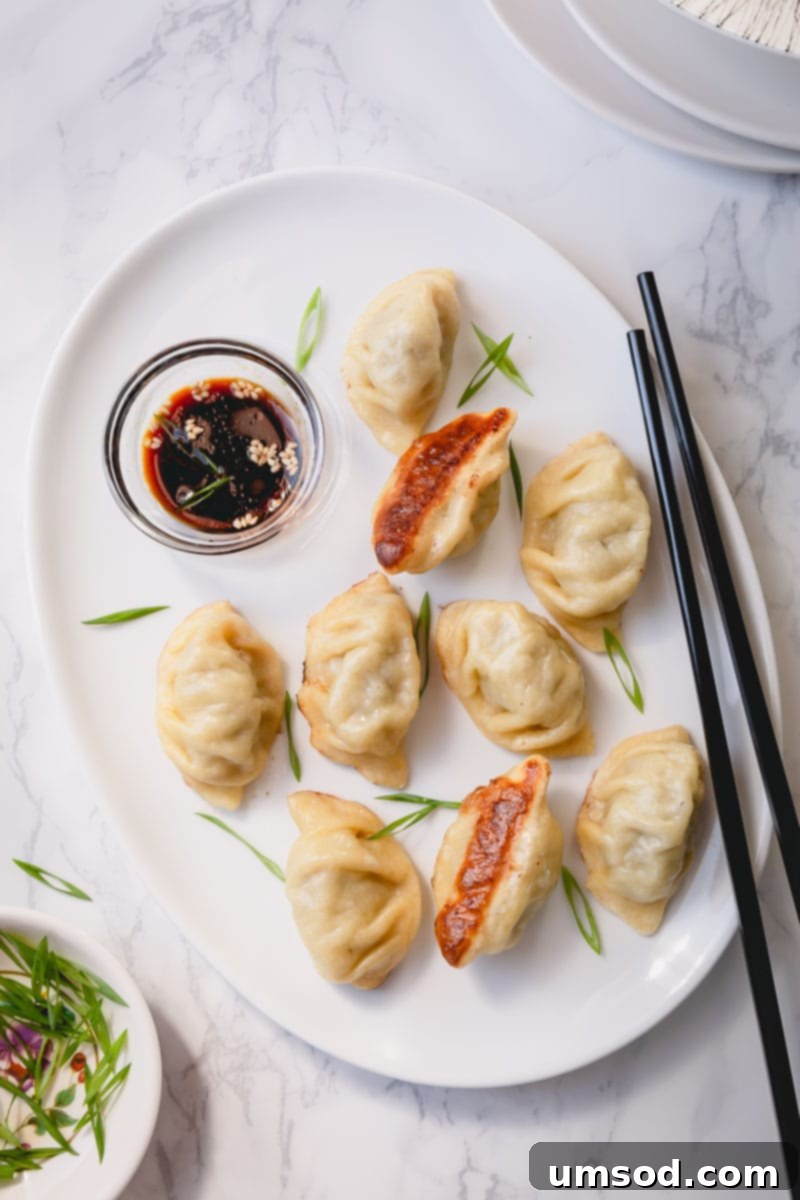
Embark on a delightful culinary adventure and learn the art of making exquisite beef dumplings. This comprehensive guide will teach you three traditional cooking methods: steaming, pan-frying, and boiling. Plus, we’ll reveal three easy-to-master techniques for wrapping picture-perfect dumplings, ensuring a rewarding experience in your kitchen.
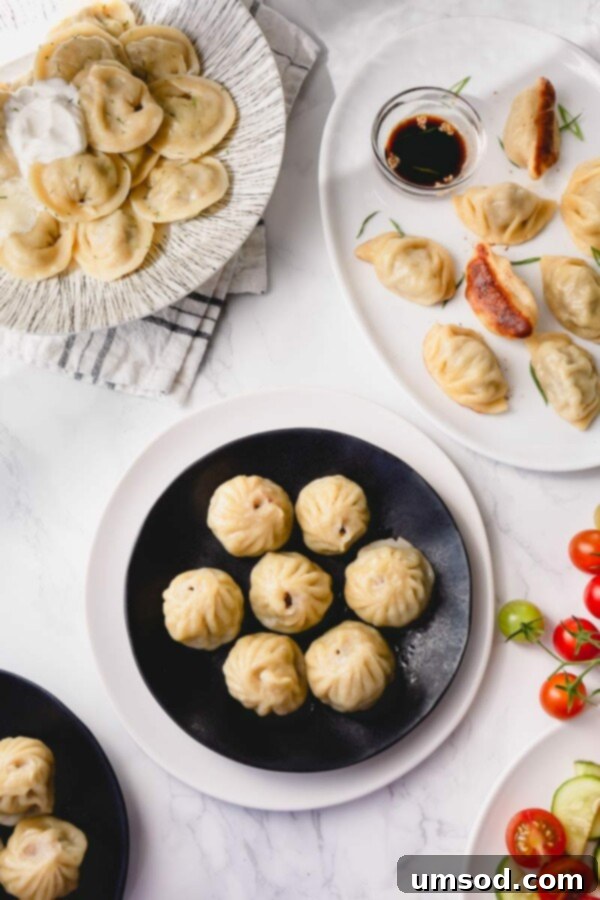
Beef dumplings are more than just a dish; they’re a culinary cornerstone in many cultures, particularly cherished in Mongolia. What might surprise you is just how widespread and beloved these savory pockets are across the globe, each region offering its unique twist.
From bustling Asian street markets to cozy Eastern European kitchens, variations of meat-filled dumplings appear under many names, reflecting rich culinary traditions and local flavors.
Meat Dumplings from Around the World: A Culinary Passport
Dumplings, in their myriad forms, offer a fascinating glimpse into diverse culinary landscapes. While the core concept of a dough wrapper encasing a flavorful filling remains constant, the ingredients, shapes, and cooking methods vary dramatically from one culture to another. Here’s a peek at some popular global favorites:
- Mongolia: Buuz and Bansh – Mongolia is famous for its hearty steamed dumplings. Buuz are typically larger and often filled with seasoned mutton or beef, perfect for colder climates. Bansh are their charming mini counterparts, often served in soups. Both are staple foods, deeply embedded in Mongolian traditions and celebrations, frequently enjoyed during festivals like Tsagaan Sar (Lunar New Year).
- Russia: Pelmeni – These small, boiled dumplings are a comfort food classic across Russia. Often filled with a savory mix of chicken or beef, sometimes pork, and seasoned with simple herbs like dill, pelmeni are traditionally served with a dollop of sour cream or a knob of melted butter, embodying rustic Russian home cooking. They are a beloved dish for family gatherings.
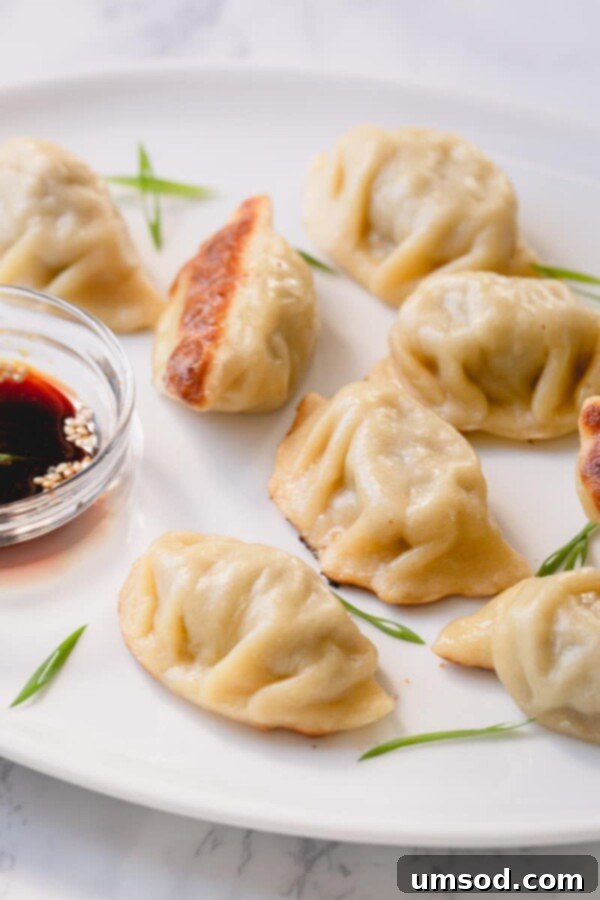
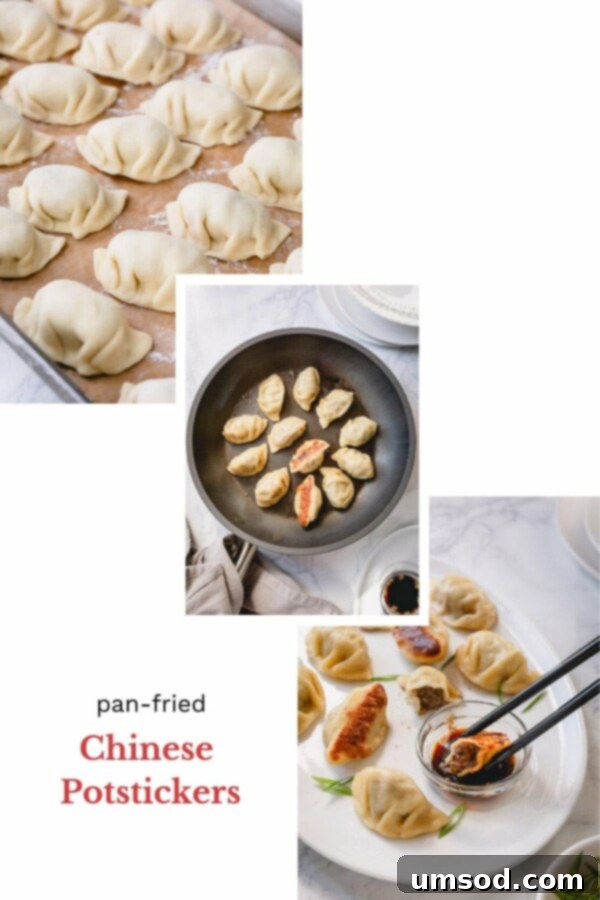
- China: Potstickers (Guotie) – Known for their irresistibly crispy bottom and tender steamed top, Chinese potstickers are a pan-fried delight. The filling usually combines minced meat (pork, beef, or chicken) with finely chopped vegetables like napa cabbage, ginger, and garlic, creating a burst of umami with every bite. They are a popular dim sum item and a common family meal.
- Japan: Gyoza – Similar to Chinese potstickers, Japanese gyoza are also pan-fried, often with a slightly thinner, more delicate wrapper and a distinct filling. Common fillings include finely minced pork, cabbage, and chives, usually served with a light soy-vinegar dipping sauce, making them a popular appetizer or side dish in Japanese cuisine.
- Korea: Mandu – Korean mandu can be prepared in various ways: steamed, boiled, pan-fried, or even added to warming soups. Their fillings are incredibly diverse, featuring ground meat (beef, pork, or a mix), tofu, spicy kimchi, glass noodles, and various vegetables, offering a rich and complex flavor profile that suits many palates.
- Nepal: Momo – These beloved South Asian dumplings are a staple in Nepal, Tibet, and among Himalayan communities. Traditionally steamed, momo are filled with finely ground meat (often buffalo, chicken, or lamb) mixed with robust spices, onions, and garlic. They are commonly served with a vibrant, spicy dipping sauce called “achar,” making them a flavorful street food and comfort meal.
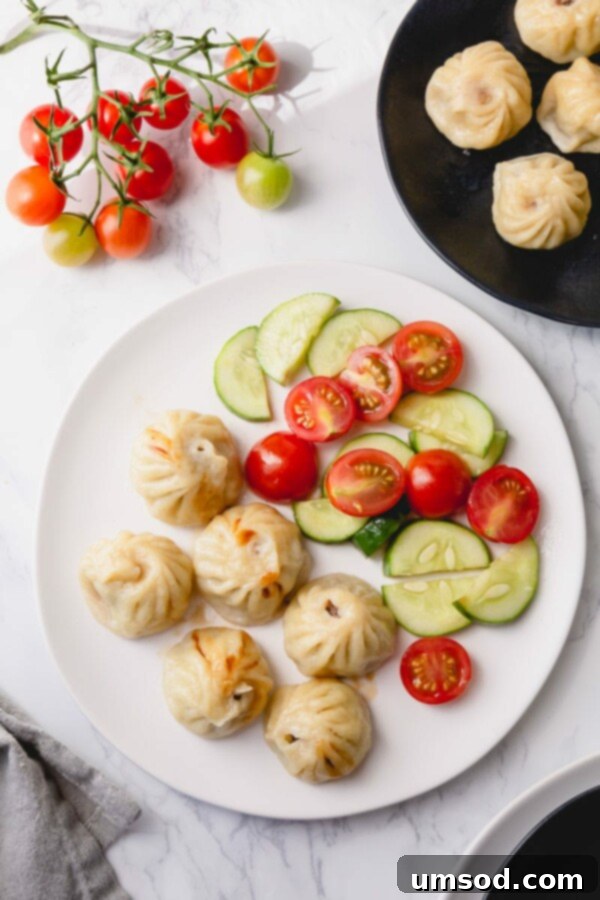
Today, we’re bringing a selection of these global favorites right into your kitchen! Based on my personal culinary experiences, I’ll guide you through preparing classic Mongolian steamed dumplings (buuz), hearty Russian boiled dumplings (pelmeni), and irresistibly crispy Chinese pan-fried dumplings (potstickers). It’s a journey of taste and technique, all in one comprehensive recipe.
To help you master these delicious creations, I’ve included a detailed video tutorial on how to wrap dumplings using three distinct methods. This visual guide ensures that even beginner cooks can replicate these beautiful, professional-looking dumplings with confidence and flair at home!
The Secret to Stress-Free Meals: Make-Ahead Dumplings
Dumplings are an absolute game-changer for meal prep – a perfect make-ahead freezer meal! Their versatility and ease of cooking from frozen make them an ideal staple for any busy household. Imagine having a delicious, homemade meal ready in minutes, without any fuss or extensive preparation after a long day.
Every few months, I dedicate a day to making a large batch of dumplings. I then freeze them for future meals, transforming them into a true freezer staple. This practice saves me countless hours on busy weeknights or when unexpected cravings strike. Simply grab a handful from the freezer, cook using your preferred method (steaming, pan-frying, or boiling), and enjoy a satisfying, comforting meal without any significant effort. My kids, in particular, adore these homemade delights and always cheer when dumplings are on the menu!
While the initial process of making dumplings from scratch might seem daunting or time-consuming, I promise you it’s an incredibly fun, meditative, and rewarding activity. The process of mixing the dough, preparing the savory filling, and meticulously wrapping each dumpling can be a joyful experience. Plus, the payoff is immense: a freezer stocked with delicious, on-demand dumplings, ready whenever you are. It’s an investment in future convenience, culinary joy, and healthy homemade meals!
Pro Tip: Make It a Dumpling Party!
Turn dumpling making into a lively social event! Invite friends or family over for a “dumpling party.” Not only will you enjoy fantastic company and create lasting memories around a shared culinary experience, but you’ll also collectively produce a massive bounty of delicious dumplings to stash in everyone’s freezers. It’s efficiency meets fun, and everyone gets to take home their handmade treasures!
Essential Beef Dumpling Recipe Ingredients
Crafting perfect homemade dumplings starts with selecting the right ingredients. Here’s a breakdown of what you’ll need and why each component is crucial for achieving that authentic flavor and texture in your beef dumplings:
- All-Purpose Flour: The foundation of our supple dumpling wrappers. All-purpose flour provides the perfect balance of gluten, yielding a dough that is both pliable for easy rolling and sturdy enough to hold its shape during cooking, creating wrappers that are delightfully tender yet robust.
- Egg: Incorporating a single egg into the dough adds a subtle richness, contributes to a beautiful golden hue, and helps create a tender, soft texture that’s a hallmark of premium, homemade dumpling wrappers. It also adds a touch of elasticity.
- Milk: Using milk instead of plain water for part of the dough liquid further enhances the richness and softness of the wrappers, contributing to a more luxurious mouthfeel. While milk offers a superior texture, water can be a perfectly acceptable substitute if preferred or if milk isn’t available.
- Ground Beef: For the savory filling, I typically opt for lean ground beef (90/10) to minimize excess grease, which can make dumplings soggy. However, an 80/20 blend works wonderfully too, offering a slightly richer flavor profile due to its higher fat content. Feel free to experiment with a combination of beef and pork, or even lighter options like ground turkey or chicken, to suit your dietary preferences.
- Onion: A non-negotiable for incredible flavor in my book! Finely minced onion adds a subtle sweetness and aromatic depth to the beef filling, making it incredibly juicy and flavorful. While you can omit it, it’s highly recommended for the best results and a more authentic taste.
- Garlic: Freshly grated garlic cloves are essential for adding a pungent, aromatic kick to the beef filling. It pairs beautifully with the onion and beef, enhancing the overall savory profile and adding a layer of irresistible aroma.
- Seasoning: This is where you can truly personalize your dumplings! My recipe provides a basic, delicious seasoning blend of coarse kosher salt, garlic powder, and optional coriander seed, which offers an earthy warmth. Feel free to adjust these to your taste; a pinch of white pepper, a dash of ginger powder, or a touch of five-spice powder can introduce exciting new dimensions to your filling.
- Water for Filling: A small amount of water added to the meat mixture is a game-changer. It gets absorbed by the meat proteins, ensuring the filling remains incredibly juicy, tender, and moist after cooking, preventing dry, crumbly dumplings. Don’t skip this step for truly succulent results!
Mastering Homemade Beef Dumplings: Step-by-Step
Making beef dumplings from scratch is a rewarding process that allows you to control every aspect of flavor and texture, from the chewiness of the wrapper to the succulence of the filling. We’ll cover everything from preparing the perfect dough to crafting a savory filling and expertly wrapping your dumplings.
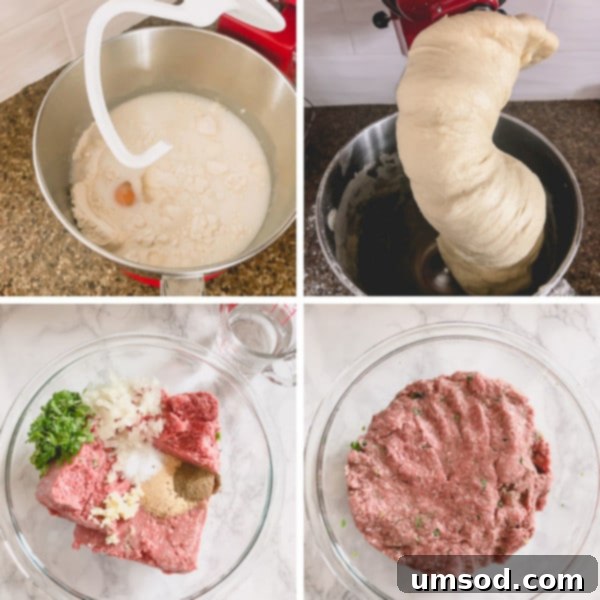
- The Dough: Crafting the Perfect Wrapper – Our homemade dumpling dough is designed to be incredibly soft, pliable, and a joy to work with. While a stand mixer with a dough hook makes the process effortless and quick, you can absolutely achieve a fantastic dough by mixing it thoroughly in a bowl and kneading by hand. The key is to develop a smooth, elastic texture that’s neither too sticky (which makes it hard to roll) nor too dry (which makes it brittle).
- The Beef Filling: A Canvas for Flavor – The beef filling is wonderfully customizable, allowing you to tailor it to your family’s preferences. I prefer to keep mine simple yet flavorful, focusing on the rich umami of beef enhanced by fresh onion and garlic. However, this is your chance to get creative! Feel free to incorporate finely chopped vegetables such as crisp napa cabbage for crunch, subtly sweet shredded carrots, or nutrient-rich spinach for a boost of greens. If adding vegetables, remember to squeeze out any excess moisture to prevent a watery filling that could make your dumplings soggy.
Dough Wisdom: Essential Tips for Success
Dough Hydration is Key: When adding water to your dough mixture, do so gradually, a little at a time. The precise amount of water needed can vary based on several factors, including the humidity in your kitchen and the specific brand or type of flour you’re using. Your goal is to achieve a soft, elastic dough that is supple to the touch but not overly sticky. Resist the urge to add all the water at once, as too much liquid can make the dough difficult to handle.
Convenience Option: Store-Bought Wraps: If time is of the essence or you’re looking for a quicker preparation method, store-bought potsticker wraps offer a fantastic and convenient shortcut, significantly speeding up the dumpling-making process. They are readily available in most Asian grocery stores or the international aisle of larger supermarkets. However, for the ultimate taste and texture, my family (especially the kids!) consistently prefers the fresh, homemade wrappers. The difference in freshness, chewiness, and overall satisfaction is truly noticeable.
Filling Secrets: Juicy & Flavorful Every Time
The Juicy Factor: Don’t skip adding a splash of water to your meat mixture! This simple yet powerful step is a secret to achieving incredibly soft and juicy dumpling fillings. The water is absorbed by the ground meat and then released as steam during cooking, creating a burst of moisture and flavor with every bite. It prevents the filling from becoming dry and crumbly, ensuring a succulent result.
Veggie Boost: While a pure meat filling is deliciously classic, incorporating finely chopped vegetables is a fantastic way to add texture, introduce more nutrients, and enhance the overall flavor profile. Some of my personal favorites include crunchy napa cabbage, subtly sweet grated carrots, and vibrant spinach. Remember, if you’re adding vegetables with high water content, it’s crucial to finely chop them and squeeze out any excess moisture before adding them to the meat mixture. This step prevents the filling from becoming watery and compromising the dumpling’s integrity.
The Art of Wrapping Dumplings: Three Beautiful Methods
Wrapping dumplings is both a skill and an art form. It might seem intricate at first, but with a little practice and guidance, you’ll be creating perfectly sealed, aesthetically pleasing parcels that are a joy to behold and even more delightful to eat. Mastering a few techniques ensures your dumplings not only look great but also hold their filling securely during cooking. Watch our video tutorial (further down in the recipe card) for a clear visual demonstration of these essential techniques:
- The Classic Half-Moon Pleat: This is perhaps the most common and elegant dumpling shape. It involves folding the round wrapper in half to create a semi-circle, then forming small, overlapping pleats along the curved edge. These pleats are then pressed firmly together to create a secure seal and a beautiful, classic crescent shape. This method is versatile for all cooking types.
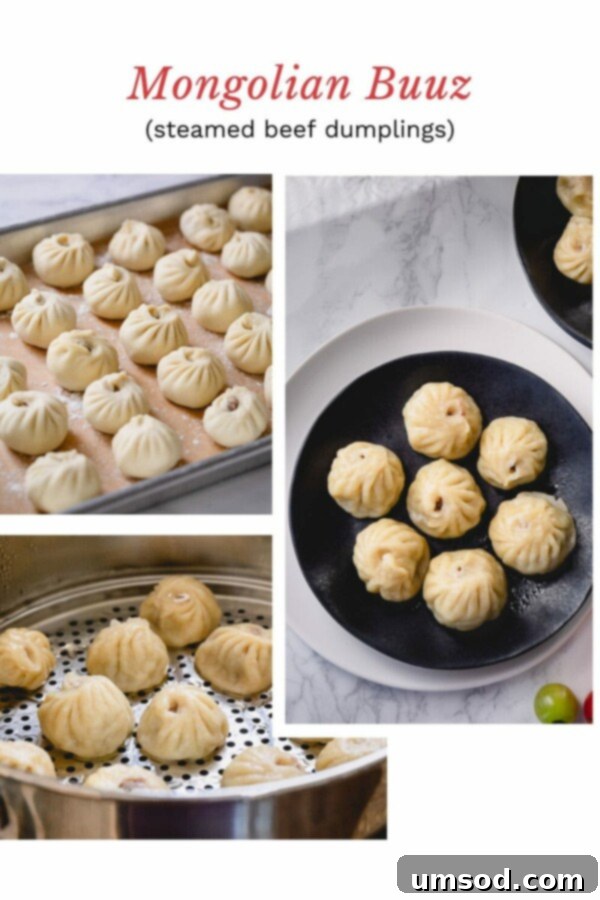
- The Gather-and-Pinch (Mongolian Buuz Style): Often used for larger, steamed dumplings like Mongolian buuz, this method creates a distinctive, rustic shape. It involves gathering all the edges of the round wrapper towards the center, then pinching them firmly together to create a small, sealed top, almost like a little pleated purse or a delicate flower bud. This shape is excellent for holding juicy fillings and preventing leakage during steaming.
- The Simple Boat or Crescent Fold: Similar to the half-moon but with fewer, larger pleats, or often just sealing the edges without intricate folds, giving it a sleek, streamlined appearance. To achieve this, fold the wrapper in half, moisten the edges, and press them firmly together, perhaps adding one or two large pleats at the top. This simple yet effective fold is ideal for both boiling and pan-frying, offering a quicker wrapping option without sacrificing taste.
How to Cook Dumplings: Three Delicious Methods Unveiled
Once your beef dumplings are beautifully wrapped and filled, it’s time to bring them to life through cooking! Each method offers a unique texture and flavor profile, catering to different preferences and culinary traditions. Here’s how to perfectly prepare your homemade beef dumplings, whether you prefer them steamed, pan-fried, or boiled.
Method 1: How to Steam Dumplings (Mongolian Buuz Style)
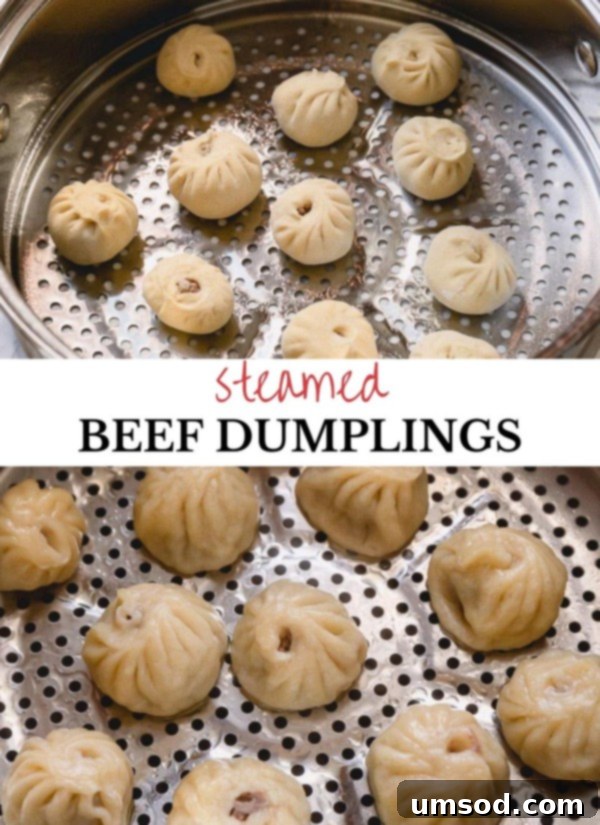
Steaming yields wonderfully tender, succulent dumplings, preserving the juiciness of the filling and the delicate chewiness of the wrapper. This method is particularly popular for Mongolian Buuz. For best results, you’ll find a multi-tiered steamer pot incredibly useful, as it allows you to cook a significant batch simultaneously, making it incredibly convenient for family meals or entertaining.
- Prepare your Steamer: Fill the bottom of your steamer pot with about 2-3 inches of water. Bring this water to a vigorous, rolling boil over high heat. Ensure the water level is below the steamer basket to prevent the dumplings from becoming waterlogged.
- Arrange Dumplings: Lightly spray your steamer baskets with a non-stick cooking spray or line them with perforated parchment paper specifically designed for steaming to prevent sticking. Carefully arrange the dumplings in a single layer, ensuring they don’t touch each other. This prevents them from fusing together during cooking and allows for even steaming.
- Steam to Perfection: Place the filled steamer baskets over the boiling water, cover tightly with a lid, and steam. For smaller, fresh dumplings, steam for about 15 minutes. If you’re cooking larger, frozen dumplings, extend the steaming time to approximately 20-25 minutes, or until they are plump, cooked through, and the filling is piping hot.
- Serve Immediately: Once cooked, carefully remove the lid (beware of hot steam!). Transfer the steamed dumplings to a serving platter using tongs or a spatula. A quick fan with a plate can help them retain their shape and prevent stickiness. Serve hot with your favorite dipping sauce or a fresh side of vegetables.
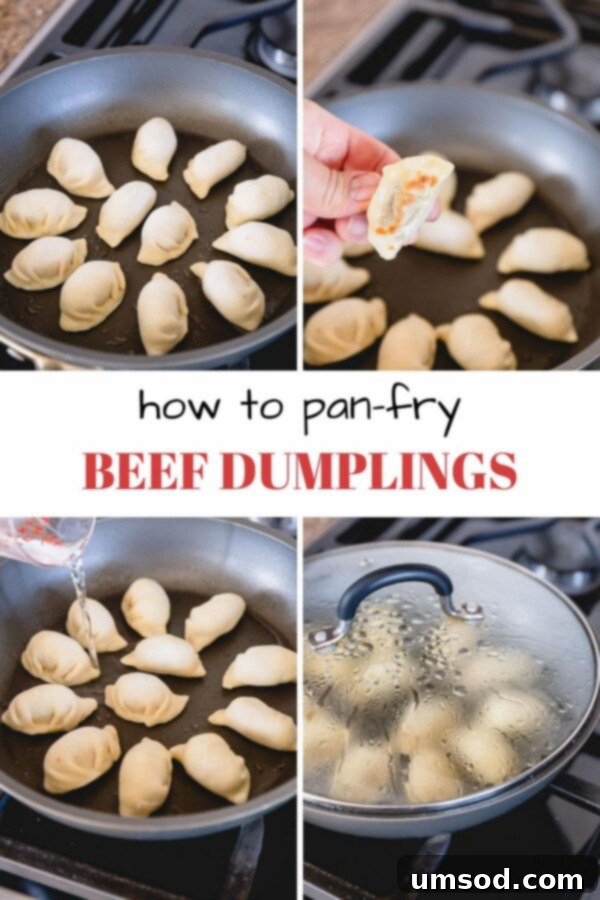
Method 2: How to Pan-Fry Dumplings (Chinese Potsticker Style)
Pan-frying creates a delightful textural contrast: a wonderfully crispy, golden-brown bottom and a soft, steamed top. This method is often associated with Chinese potstickers and is a fantastic way to enjoy a unique textural sensation that makes them incredibly addictive.
- Heat the Skillet: Heat a nonstick skillet over medium-high heat. Add 1-2 tablespoons of cooking oil (such as olive oil or vegetable oil) and allow it to shimmer and become hot but not smoking.
- Sear for Crispiness: Carefully arrange your fresh or frozen dumplings in a single layer in the hot skillet, ensuring not to overcrowd the pan. Give them some space. Fry them for about 2-3 minutes, or until their bottoms are beautifully golden brown and crispy. This is where they get their characteristic “potsticker” crunch.
- Steam to Cook Through: Once the bottoms are seared, carefully pour about ¼ to ½ cup of water into the skillet. Immediately cover the skillet with a tight-fitting lid to trap the steam. Reduce the heat to medium-low and continue cooking for approximately 10-15 minutes, or until the water has completely evaporated and the dumplings are cooked through and tender. The steam cooks the top portion of the dumpling.
- Finish and Serve: Remove the lid and let any remaining water evaporate. If you desire extra crispiness, you can cook them uncovered for another minute or two until the bottoms are perfectly golden and crunchy. Transfer to a serving plate and enjoy immediately with a flavorful dipping sauce.
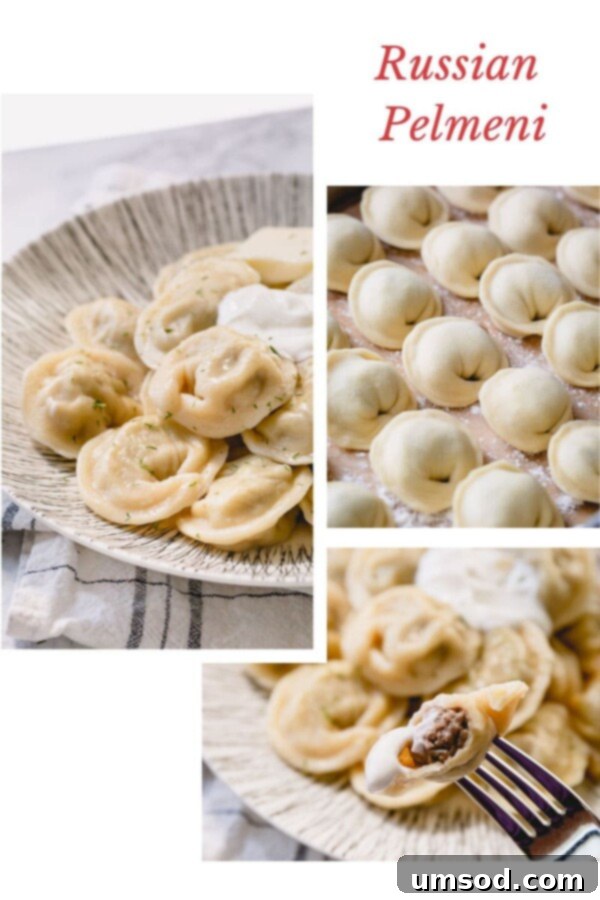
Method 3: How to Boil Dumplings (Russian Pelmeni Style)
Boiling is perhaps the simplest and quickest way to cook dumplings, resulting in soft, tender parcels perfect for serving with rich sauces or floating in savory broths. This method is the classic choice for preparing Russian pelmeni, known for their comforting appeal.
- Prepare Boiling Liquid: Bring a large pot of water or savory broth (such as beef or chicken stock) to a rapid, rolling boil. For added flavor, you can season the water with salt, a couple of bay leaves, and a few black peppercorns. Using stock instead of plain water will infuse your dumplings with even more depth of flavor from the inside out.
- Add Dumplings: Gently add fresh or frozen dumplings to the vigorously boiling liquid. Be careful not to overcrowd the pot; cook in batches if necessary to maintain the water temperature. Stir occasionally to prevent them from sticking to the bottom of the pot or to each other.
- Cook Until Done: Cook the dumplings for 10-15 minutes, depending on their size and whether they are fresh or frozen. You’ll know they are fully cooked when they float to the surface of the water and appear plump. The dough will look translucent, and the filling will be firm.
- Serve with Accompaniments: Using a slotted spoon, carefully drain the cooked dumplings or scoop them directly from the broth into individual serving bowls. Serve immediately with a generous knob of melted butter, a dollop of tangy sour cream, or a sprinkle of fresh chopped herbs like dill or parsley for a truly authentic experience.
Storing Homemade Beef Dumplings for Future Enjoyment
One of the best advantages of making homemade dumplings is their incredible freezer-friendliness. Proper storage ensures you can enjoy your delicious creations for weeks or even months to come, making them the ultimate convenience food.
- Storing Cooked Dumplings: If you find yourself with leftover cooked dumplings, ensure they cool completely before storing them. Transfer them to an airtight container and refrigerate. They will remain fresh and delicious for up to 3 days. To reheat, gently steam, microwave, or pan-fry them again until they are thoroughly warmed through and slightly crispy if pan-fried.
- Freezing Uncooked Dumplings (The Make-Ahead Secret!): This is crucial for building your convenient freezer stash!
- Arrange the freshly wrapped, uncooked dumplings in a single layer on a baking sheet lined with parchment paper or a silicone mat. It’s vital that they do not touch each other at this stage, as they will freeze together if they do.
- Place the entire baking sheet into the freezer for at least 1-2 hours, or until the dumplings are completely solid and individually frozen. This “flash-freezing” step prevents them from sticking together when transferred.
- Once thoroughly frozen, transfer the solid dumplings into a heavy-duty freezer-safe bag or an airtight container. Squeeze out as much air as possible to prevent freezer burn. Label with the date. They can be stored in the freezer for up to 3 months, offering a fantastic meal solution anytime.
- Cooking from Frozen: The best part about frozen dumplings? There’s absolutely no need to thaw them before cooking! Simply follow the cooking instructions provided for steaming, pan-frying, or boiling, adding a few extra minutes (typically 5-10 minutes) to the cooking time to ensure they are thoroughly heated and cooked through from their frozen state.
Serving Suggestions for Beef Dumplings
Beef dumplings are incredibly versatile and pair well with a variety of dipping sauces and side dishes, allowing you to customize your meal to your taste. Here are some ideas to elevate your dumpling experience:
- Classic & Creative Dipping Sauces:
- Soy Sauce Blend: A timeless and popular choice. For an extra kick and balanced flavor, combine soy sauce with a dash of rice vinegar, a few drops of toasted sesame oil, and a pinch of red pepper flakes or finely minced fresh chili.
- Tangy Sour Cream: A traditional and authentic accompaniment for Russian pelmeni, offering a creamy, tangy contrast that beautifully complements the rich meat filling.
- Spicy Chili Oil: For those who love a bit of heat and a flavorful kick, a drizzle of homemade or store-bought chili oil adds an exciting zing and aromatic depth.
- Sweet Chili Sauce: A popular choice that provides a perfect balance of sweet, spicy, and tangy notes, especially good with pan-fried dumplings.
- Complementary Salads & Sides: Light, refreshing salads or simple, flavorful sides cut through the richness of the dumplings beautifully and add textural contrast. Consider serving your beef dumplings with:
- Vibrant Cucumber Mango Salad: A bright, refreshing salad with a delightful sweet and tangy profile, perfect for balancing rich flavors.
- Crisp Cucumber Edamame Salad: A light, fresh, and protein-packed salad offering a lovely textural contrast and earthy notes.
- Hearty Russian Potato Salad: A creamy, satisfying side dish that perfectly complements the Eastern European style of boiled dumplings, offering a comforting and familiar pairing.
- Steamed or Stir-fried Vegetables: Simple steamed broccoli, bok choy, or a quick stir-fry of mixed vegetables can add freshness and nutrition to your dumpling meal.
Frequently Asked Questions About Beef Dumplings
For both fresh and frozen dumplings (mini or standard size), steam them for approximately 15 minutes. If you are cooking larger or extra-thick frozen dumplings (like large Buuz), you might need to extend the steaming time to 20-25 minutes to ensure they are thoroughly cooked and piping hot in the center.
Boil dumplings for 10-15 minutes, stirring occasionally to prevent them from sticking to the pot or each other. They are fully cooked when they float to the surface of the water and appear plump. Cooking time can vary slightly depending on the size of the dumplings and whether they are fresh or frozen.
Yes, absolutely! The homemade dumpling dough can be made up to a day in advance. After kneading, wrap it tightly in plastic wrap to prevent it from drying out, and then refrigerate. Before you plan to roll it out and wrap dumplings, let it come to room temperature for about 30 minutes; this will make it much more pliable and easier to work with.
To prevent dumplings from sticking to your steamer baskets, you have a few effective options: lightly spray the baskets with non-stick cooking spray, line them with perforated parchment paper specifically designed for steamers, or brush the bottom of each dumpling with a tiny bit of vegetable oil before placing it in the steamer. Ensure they are arranged in a single layer without touching.
Absolutely! While this recipe focuses on beef, the filling is highly adaptable. You can use ground pork, chicken, turkey, lamb, or a combination of meats. Adjust the seasoning slightly to complement the flavor of your chosen meat. For instance, pork pairs wonderfully with a touch of ginger, while chicken might benefit from more herbs.
Explore More Culinary Delights from Sweet & Savory
If you’ve enjoyed mastering these delicious beef dumplings, we invite you to explore more fantastic recipes from our diverse and ever-growing collection at Sweet & Savory. Discover new favorites and elevate your home cooking:
- Decadent Macaron Cookies: Learn to bake these delicate and delightful French treats.
- Best Prime Rib Recipe: Master the art of cooking a succulent, show-stopping prime rib.
- Creamy Oyster Chowder: A rich and comforting seafood soup perfect for any season.
- Silky White Chocolate Ganache Recipe: Perfect for frosting, filling, or drizzling over desserts.
- Fluffy Angel Food Cake with Strawberry Shortcake: A light and airy dessert bursting with fresh berry flavor.
- Easy Buttermilk Substitutes: Quick hacks for when you’re out of buttermilk.
Beef Dumplings: A Global Culinary Experience
Comment
Print Recipe
Ingredients
For the Dough Wraps:
- 5 cups (625g) all-purpose flour
- 1 teaspoon salt
- 1 egg
- 1 cup milk (Note 1)
- ½ cup water (Note 2)
For the Beef Filling:
- 2 lbs (1kg) ground beef (Note 3)
- ¼ cup minced yellow onion
- 4 garlic cloves, grated
- ½ cup water
- 3 teaspoons coarse kosher salt
- 2 teaspoons garlic powder
- 1 teaspoon coriander seed (optional)
- 1 handful fresh cilantro, finely chopped (optional)
For Serving Russian Pelmeni:
- 1-2 tablespoons butter
- Sour cream
For Serving Chinese Potstickers:
- 1 tablespoon olive oil (for pan-frying)
- 2 tablespoons soy sauce (low sodium is recommended for best flavor control)
- 1 tablespoon rice vinegar
- ½ tablespoon sesame oil
Instructions
Preparation:
-
To make the dough wrap: In a large mixing bowl (or a stand mixer with a dough hook attachment), combine the all-purpose flour, salt, egg, and milk. Mix on low speed until a shaggy dough forms. Gradually add half of the water.
-
Knead the dough for approximately 5-7 minutes until an elastic, smooth ball forms. Add the remaining water sparingly, only as needed, to achieve a soft, pliable, and not overly sticky dough. (TIP: The goal is a truly soft and easy-to-work-with dough.)
-
Cover the dough tightly with plastic wrap or a damp cloth and let it rest at room temperature for at least 30 minutes, or up to 1 hour, while you prepare the filling. Resting the dough allows the gluten to relax, making it easier to roll.
-
To make the beef filling: In a medium mixing bowl, combine the ground beef, minced yellow onion, and grated garlic cloves.
-
In a separate small bowl, whisk together the salt, garlic powder, and coriander seed (if using) with ½ cup of water. Pour this seasoned water into the meat mixture. Mix everything thoroughly by hand until all ingredients are well combined and the mixture is moist and cohesive.
-
To shape the dumplings: On a lightly floured surface, knead the rested dough briefly. Cut a portion of the dough and roll it out into a very thin circle (about 1/16-inch thick). Using a 2.5-inch round cookie cutter (or a glass rim), cut out round dough wrappers. If the dough starts to stick, dust your surface and rolling pin with a little more flour.
-
Place about ½ tablespoon of beef filling in the center of each round wrapper. (TIP: A medium cookie scoop is excellent for portioning out the beef, using about ½ scoop per 2.5-inch wrap.)
-
Moisten the edges of the wrapper with a little water, then pinch the edges together to create your desired dumpling shape. (For visual guidance, refer to the video tutorial provided earlier in this article.)
-
As you finish each dumpling, place it on a baking sheet lined with floured wax paper, parchment paper, or a silicone mat. Ensure they do not touch to prevent sticking.
-
Continue shaping dumplings until all the beef filling and dough are used. If you plan to freeze them, place the entire baking sheet of dumplings into the freezer for at least 3 hours, or until they are completely frozen solid. Once frozen, transfer the individual dumplings into airtight freezer bags or containers, and immediately return them to the freezer for storage up to 3 months.
COOKING DIRECTIONS
1. Boiled Russian Pelmeni:
-
In a large pot, bring a quart of water (or beef/chicken stock for richer flavor) to a rolling boil. For enhanced taste, add a couple of bay leaves, a few black peppercorns, and a pinch of salt to the water.
-
Gently add fresh or frozen dumplings to the boiling liquid. Cook for 10-15 minutes, stirring occasionally to prevent them from sticking. The dumplings are cooked through when they float to the top. Serve immediately with a pat of butter and a dollop of sour cream.
2. Steamed Mongolian Buuz:
-
Fill the bottom of a large steamer pot with about 3 inches of water and bring it to a vigorous boil.
-
Lightly spray your steamer baskets with non-stick spray or line them with parchment paper. Arrange the dumplings in a single layer, ensuring they don’t touch. Place the filled steamer baskets over the boiling water.
-
Cover the steamer tightly and cook for 15 minutes (for fresh or frozen). Once cooked, transfer the steamer to a counter, carefully uncover, and fan the dumplings with a plate to prevent stickiness. Serve hot with a side of steamed vegetables or a fresh salad of your choice.
3. Pan-Fried Chinese Potstickers:
-
Heat a nonstick skillet over medium-high heat and add 1 tablespoon of olive oil.
-
Once the oil is hot and shimmering, carefully place fresh or frozen dumplings in a single layer in the skillet. Sear for about 2-3 minutes, or until the bottoms are beautifully golden brown and crispy.
-
Add ¼ cup of water into the skillet. Immediately cover the skillet with a tight-fitting lid and reduce the heat to medium-low. Cook for about 10 minutes, or until the water has completely evaporated and the dumplings are cooked through and tender. Remove the lid and let the bottoms crisp up again for a minute if desired.
-
To make the dipping sauce: While the dumplings cook, whisk together 2 tablespoons of soy sauce, 1 tablespoon of rice vinegar, and ½ tablespoon of sesame oil in a small bowl. Serve this savory dipping sauce alongside your hot, pan-fried beef dumplings.
⭐️ Did you make this recipe?
Please leave a review and let us know how you liked it!
Video Tutorial: How to Wrap Beef Dumplings
Tips & Notes for Perfect Dumplings
Note 1: Milk for Dough: Any type of milk works well for the dough – whole milk or 2% milk are my usual choices. If you prefer, or don’t have milk on hand, water can be used as a direct substitute, though milk adds a lovely richness and tenderness to the dough.
Note 2: Water for Dough: The exact amount of water needed for your dough can fluctuate based on environmental factors like humidity and the specific brand of flour you’re using. Always add water gradually, little by little, until your dough reaches a wonderfully soft and elastic consistency. It should be pliable but not overly sticky, indicating proper hydration.
Note 3: Ground Beef Choices: While I lean towards leaner ground beef (90/10) for a lighter dumpling, any type of ground beef (like 80/20) will work beautifully, offering a richer flavor. You can also experiment with other ground meats like chicken or turkey for different flavor profiles and dietary considerations.
Note 4: Cooking Fresh vs. Frozen: You can cook your freshly made dumplings immediately without freezing them. Simply follow the cooking directions provided for steaming, boiling, or pan-frying; no adjustments to the timing are necessary for fresh dumplings compared to frozen ones, aside from a slight reduction in overall cooking time if cooking very small fresh dumplings.
Nutrition Information (Estimated per Serving)
Did you make this?Leave a rating and your feedback. Thank you!